

Distributor provided a review copy.
Farthest Frontier isn't a game you jump in and casually noodle around for a few minutes. Superficially, it looks casual and cozy with intricate details that invite you to immerse yourself in the gorgeously realized vision of the past, but that's all an illusion.
Look past the screenshots and you'll find a brutally difficult and monumentally complex gameplay experience that is as rewarding as it is demanding. After gestating in Early Access for well over three years, Farthest Frontier emerges fully formed as a lovechild between Age of Empires, Settlers, and even Frostpunk. It's the kind of game devotees will love, others will admire, and some will lament for its lack of accessibility.
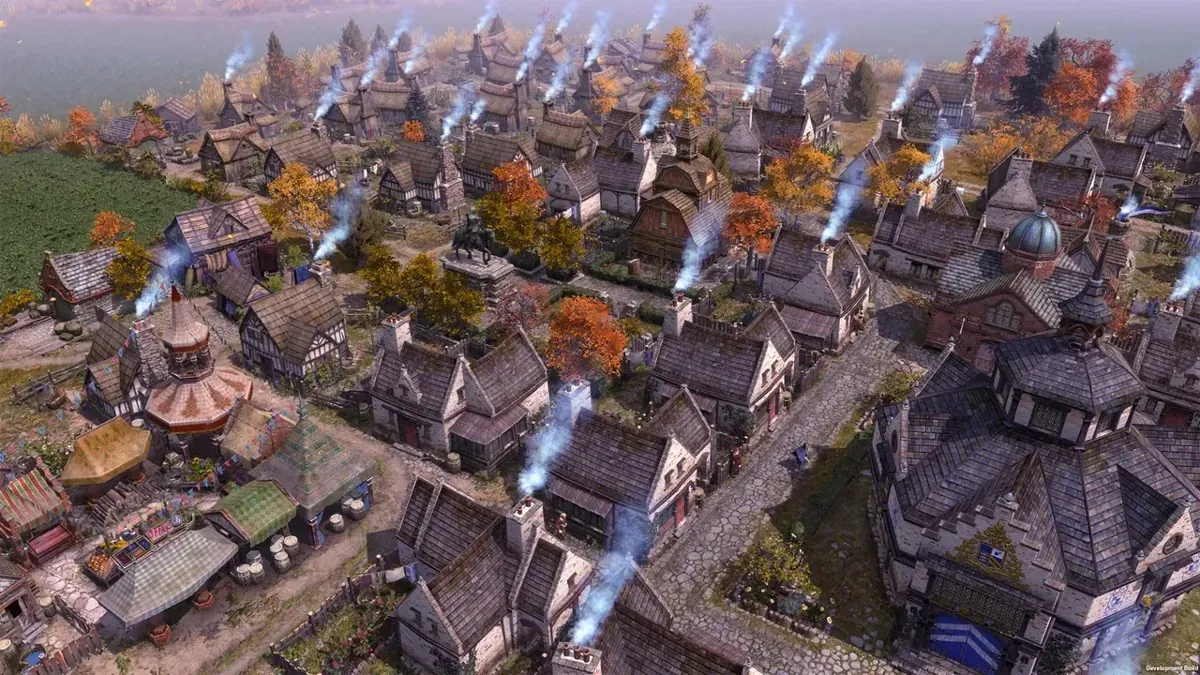
To talk about Farthest Frontier is to talk about numbers. On paper, it offers a ridiculous amount of things to build, experiment with, and fear.
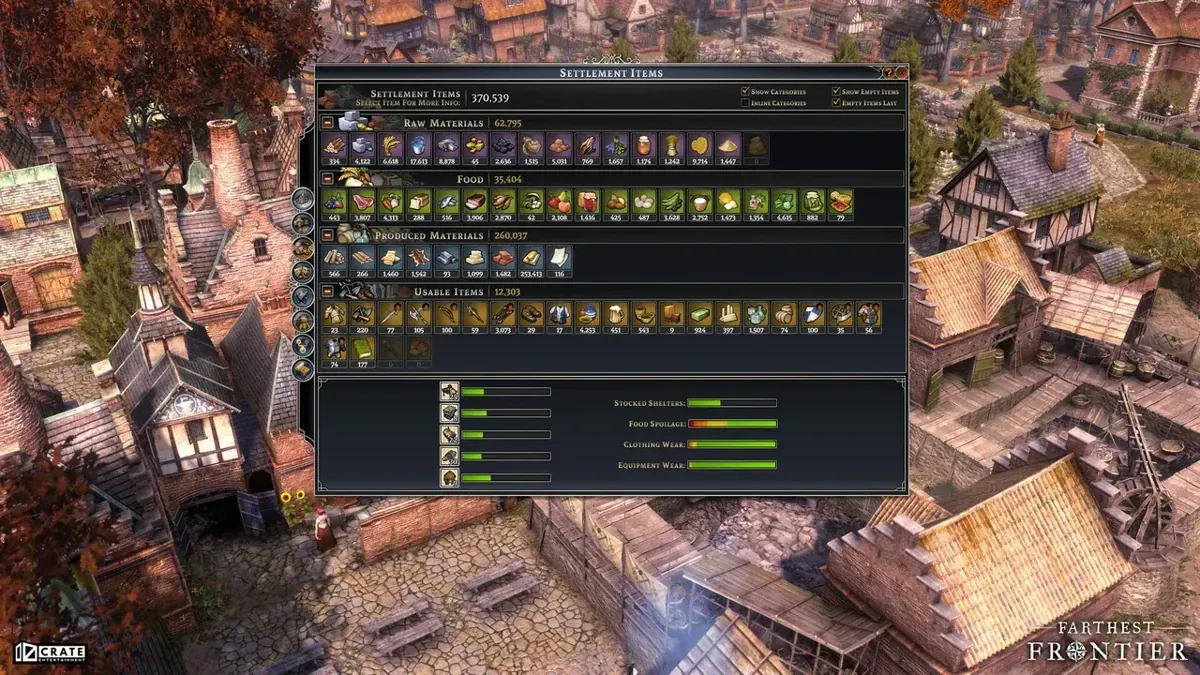
There are ovat 190 buildings to craft, a 140 point Tech Tree, 16 different raw materials which grow into different food types, crops, and item tiers that all work into a fully realized economy. Maps are randomly generated, there's a seasonal system that effects the harvest, villagers work in real time and adjust to the weather as well as roaming pandemics. The environment reacts to your presence with dwindling resources, drought, and conservation.
In short, Farthest Frontier is one of the most diversely envisioned and meticulously designed city building simulator in history. It has the depth to match its scale, which is something few, if any other games of its type has accomplished.
It sounds overwhelming and there are times when it truly is. The first hours, days, even weeks with Farthest Frontier are a learning experience. This is a game measured in months and years more than anything else. Modding support will only add to it, though one hopes it will also streamline certain areas as well.
But for all the superlatives Farthest Frontier deserves, it falls prey to its own ambition. Onboarding for new players is a nightmare and the tutorials have the accessibility of an engineering paper written for those who are already experts. Far too often it feels like you're guided by someone disdainful about the very idea that a newbie wants to join in on the fun.
Luckily the game offers a robust and very reasonable level of difficulty modifiers. There is no single way to experience the game, and it's lovely to see that the developers have considered every angle in this regard.
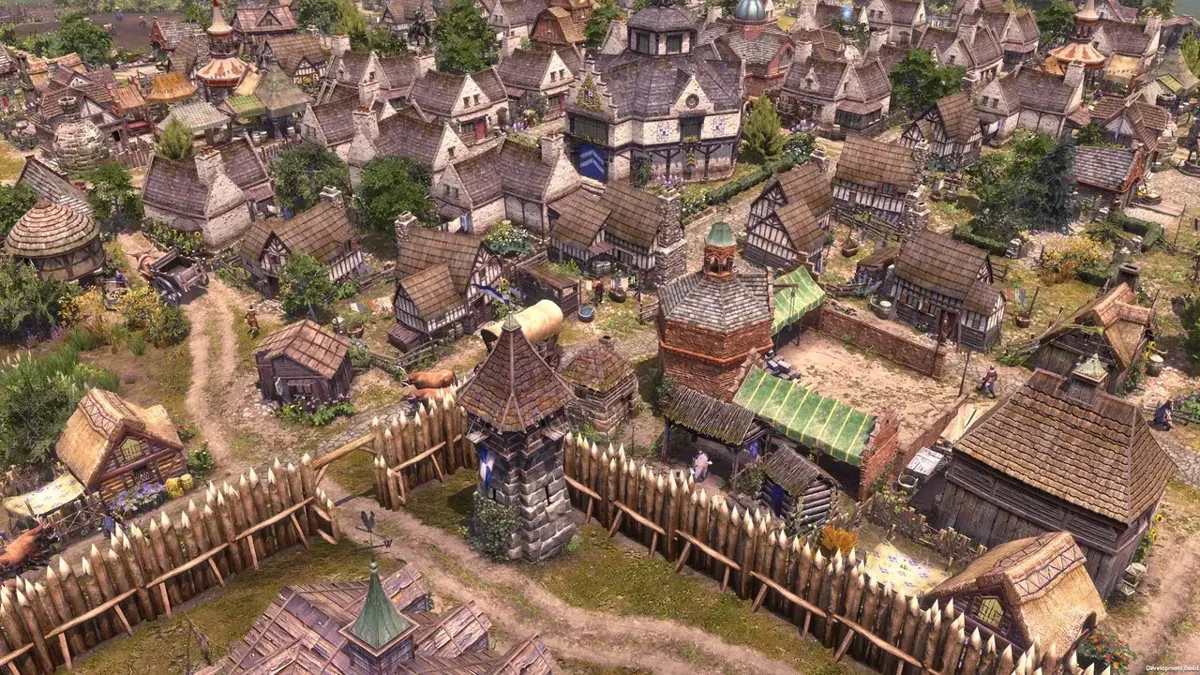
After the initial shock wears off, Farthest Frontier gradually reveals itself as a captivating and immersive simulation experience. While I'm still not a fan of how much babysitting your populace seems to require, I admire how intricately in control Farthest Frontier allows you to be.
Personally, I enjoy the grand scale of things. I prefer spending my time sculpting the landscape and the growing cities to suit a fantasy that's more built on mood and style than it is a working economy. The fact that Farthest Frontier (mostly) allows me to enjoy that experience, but also allows my partner to play the game with every bit of difficulty they can wring out of it speaks to how well the foundational mechanics work.
As the gameplay loop gets going, you're eventually faced with the realities of caring for settlers in a harsh environment. If you haven't planted the seeds for a harvest in time, the cold winter months will quickly cut down on the hungry and the sick. Doom spirals happen without warning and with brutal efficiency. To date, I've had multiple colonies completely destroy themselves in a matter of hours because of unexpected or poor planning on my part.
As with Anno 117, when these scenarios unfold, I wish there was an easier way to climb out of the hole. Now, it usually requires a load from an earlier save. It's not a dealbreaker, but it is frustrating to witness your own mistakes bite you in the ass and to realize the last time things were acceptable was four seasons ago.
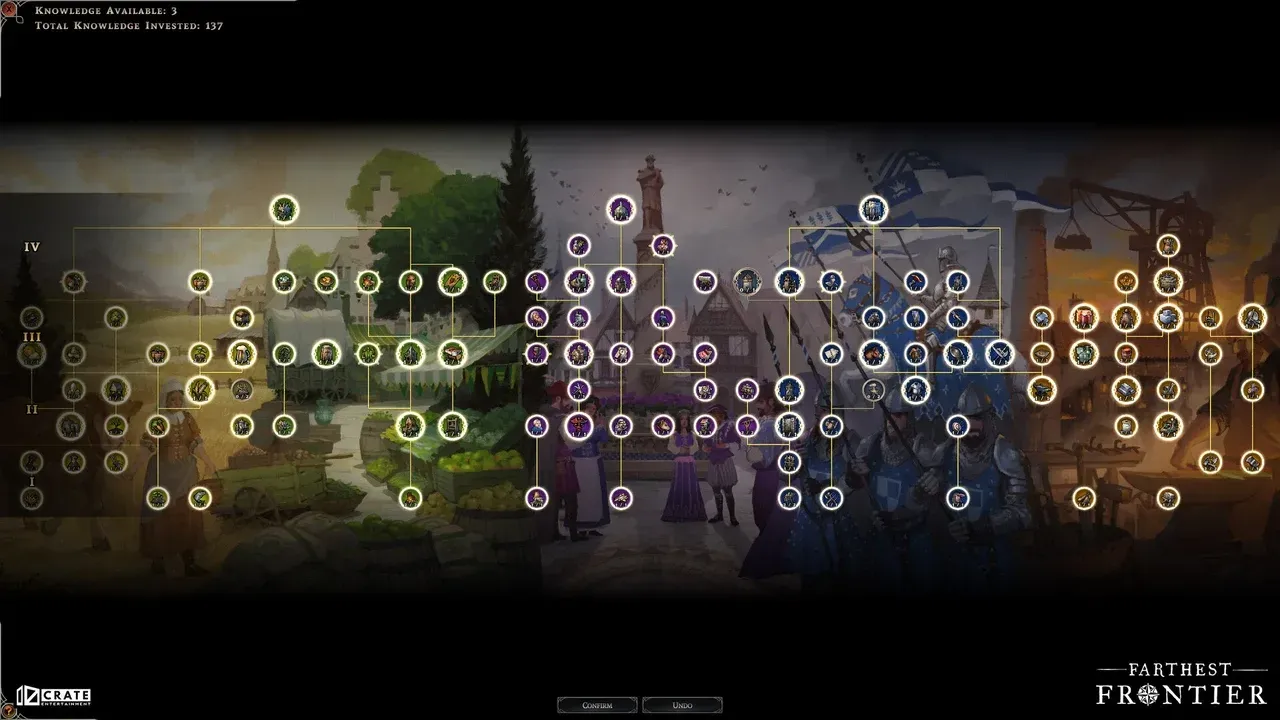
As your cities expand, so too does the technology tree, which is imposing in its scale and depth. While classic elements remain unchanged, such as learning better cultivation methods and speeding up processing times for raw materials, Farthest Frontier takes things to even more meticulous levels in detail. Whether that's concerning the hygiene of your citizenry or how efficiently they handle composting duties.
It's yet another testament to how well Farthest Frontier has considered the quirks of its own design. In lesser hands these inclusions would be complications that only bog down the experience. Instead, here they feel like important elements of the genre that enrich the gameplay.
By the time you reach the point of creating a sustainable taxation system that takes into consideration harvest seasons and the costs of import/export trade routes, you'll be so in-tune with the pacing and methology that Farthest Frontier aims for that it will feel like second nature.
If there is an area that I feel is less polished, it's the survival mechanism of it all. Granted, I'm not a fan of survival games in the first place, and the added stress of potentially wiping out my entire city before it even has begun didn't endear me to Farthest Frontier in the beginning. It adds haste and a ticking timer to a process that is by design meticulous and long-lasting, and I'm not a fan of it.
Luckily, thanks to inclusive design choices, smart difficulty level adjustments, and a bountiful scenario editor, Farthest Frontier sidesteps the issue almost entirely by offering players the option to do as they please.
2025 is a great year for this genre. First, we have Anno 117, which streamlines the experience to a superb mainstream experience that trades entirely in big picture topics. Now we have Farthest Frontier, the A24-style art house take on the same material that will undoubtedly find fans of its own. It is equally masterful, yet distinctly different.
It is a shining example of how great designers look at the same topic and see completely different worlds. No matter how you play, you're bound to enjoy yourself for years to come.


