

Version: Physical retail copy provided by the distributor
Independence & Ethics
Region Free is reader-supported and maintains full editorial independence. For more on my scoring and standards, see the Review Guide.
I've (almost) always loved Pokémon games, even when I could recognize they weren't exactly trying their hardest. The last couple of years, in particular, have tested the patience of even the most fiercely loyal.
For example, while I enjoyed the heck out of Pokémon Legends: Z-A, I'm not sure I could recommend it, at least not without caveats, to everyone in the same way I did with Arceus. Not to mention how rough Scarlet & Violet were upon release.
Today, they occupy a similar space in my heart as the Yakuza series. They're games that I'll love and devour for hundreds of hours, even as I recognize their limitations and cut corners.
So it's exciting that Pokémon: Pokopia isn't just a great Pokémon game, it's a genuinely compelling citybuilder, full stop. One that I could easily recommend to everyone, regardless of their affection for the iconic franchise.
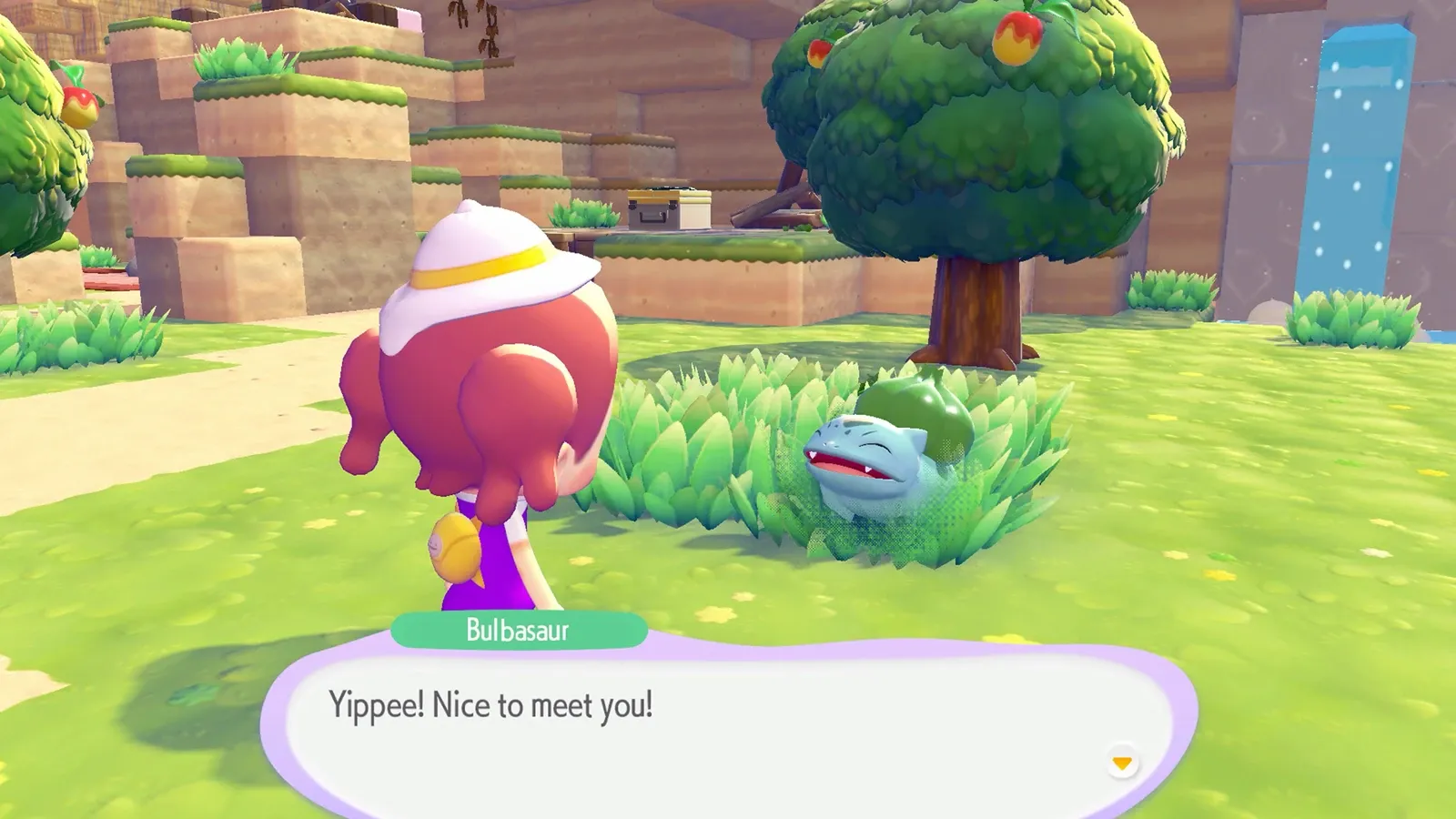
Pokopia is something else entirely. It's a spin-off developed by both Game Freak and Koei Tecmo's Omega Force, which already makes it an anomaly in the franchise. For the past decades, Pokémon titles, for better and for worse, have been the domain of Game Freak almost exclusively.
You can immediately tell where Omega Force's influences come in. First off, the story is surprisingly compelling and dark for this franchise. Pokopia is set in a post-apocalyptic future where Pokémon are the only survivors of whatever calamity has wiped out all the rest.
The player controls a Ditto, a shapeshifting Pokémon, who assumes the form of a human and sets out on a quest to restore nature to what it once was. Early on, you discover a Pokédex, a repository of knowledge about the creatures, which allows you to assume the forms of other Pokémon.
From there, it's up to you to build habitats for the recovering Pokémon population, all the while figuring out what has happened to the humans who've seemingly disappeared off the face of the planet.
Every new encounter opens up new skills, as your controlled Ditto learns by watching new Pokémon in their natural habitats. Completed story beats unlock items that allow you to expand your town, and everyone has some small daily tasks to undertake.
At the heart of your adventure is the town center, where you can control major aspects of rebuilding and active chores. At first, there's a concern that all of this will grow too unwieldy. But somehow Pokopia keeps the mechanics under control. Even as you've built multiple habitats and designed new buildings, the game never overloads you with more things to do.
For a game as bright and cheery as this, Pokémon Pokopia is a surprisingly melancholy and often sorrowful experience. There's a constant sense that something terrible has happened, and something has been irrevocably lost. Even as you rebuild, make friends, and celebrate a new beginning, Pokopia hints at darker currents beneath.
And honestly, it adds wonderful texture and richness to the game. Weirdly, it makes climbing every obstacle that much more rewarding. Every victory tastes sweeter, and every new building is an opportunity for a better tomorrow. In a sense, Pokémon Pokopia is as much an experience about moving on from trauma as it is a fun social simulator.
As you explore the Kanto region, Pokopia takes its time in setting up the story and stakes. Each chapter takes anywhere from 6 to 10 hours to complete, and the game has a lovely, cosy pace to it that never rushes you. Instead, you can progress at your leisure, focusing on exactly as much or as little as you like.
The further the story progresses, the more skills and items you have at your disposal, so there is an incentive to advance. But, at the same time, there's so much content in the game itself that you could spend tens of hours with the basics and still feel content.
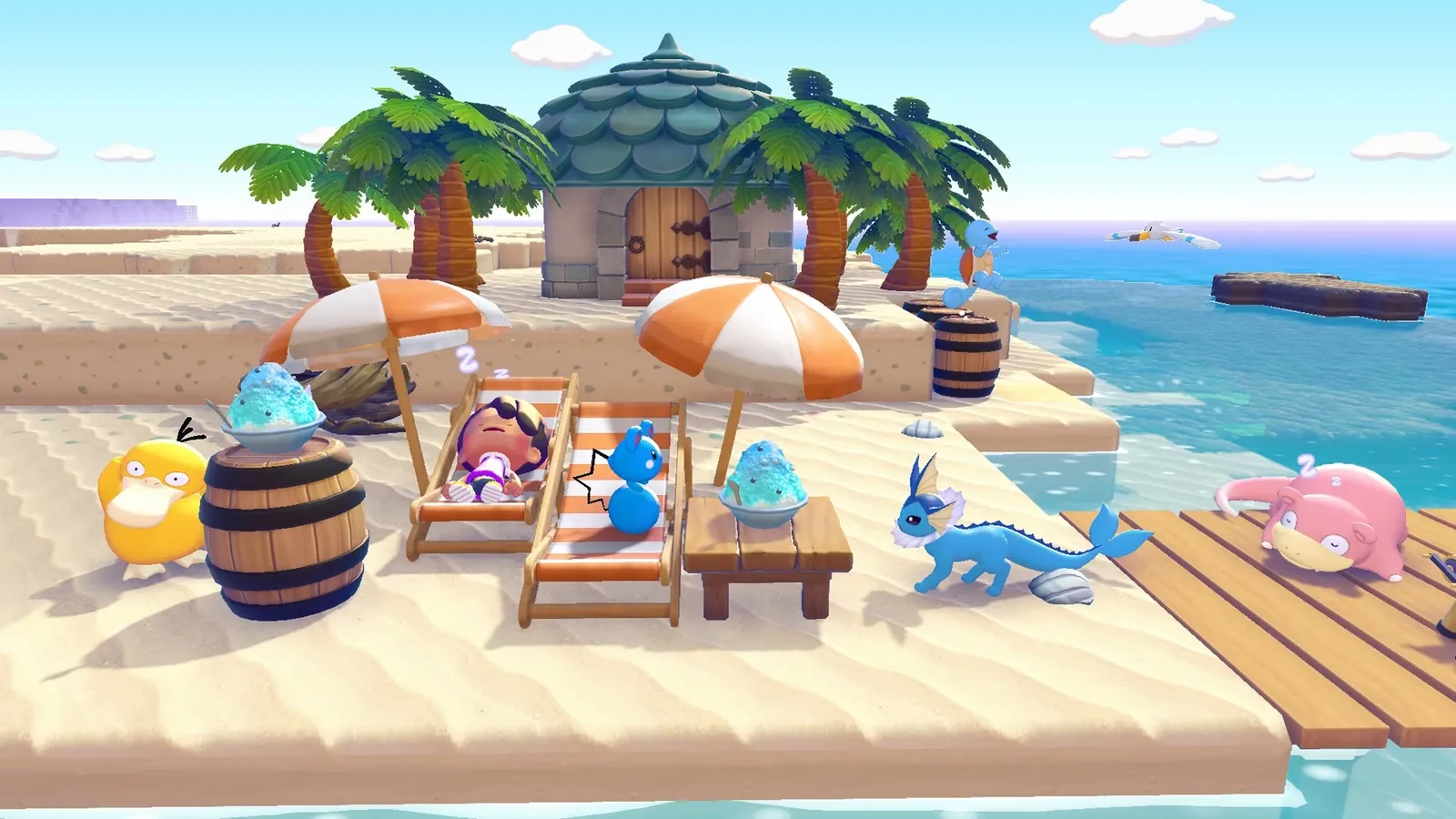
Where Pokopia stands out, though, is in its sweet and gentle nature. This is the type of game that wants you to have fun above all, and it enforces that every turn. Pokémon encourage your efforts, everyone helps out where they can, and there's a constant sense that whatever you do, it's better when done as a team.
More than once, I've found myself deeply moved by simple acts of kindness by the game's numerous characters. Early on, I got a habitat wrong for a new Pokémon, and instead of the typical fail-state indicator, Pokopia told me it's alright; you'll do better next time. We're just happy you tried.
It shouldn't be such a revelation, and it shouldn't feel so powerful, yet it does. At a time when most games demand aggression and communities scream at each other about getting good, it's tremendously important that someone welcomes everyone and makes them feel valued.
Pokopia is also a smartly balanced game that is just challenging enough to keep veterans engaged, yet friendly enough for newcomers to enjoy themselves. While I'm also a big fan of Animal Crossing and its similar social-simulation charms, there's no denying that Tom Nook's island is all about late-stage capitalism and competition. Everyone is out for a better house than their neighbor, and it's all very judgey in the end.
Pokopia, by comparison, is all about communal strength. Even its multiplayer modes enforce the idea that everything works better when we build upon the social contract.
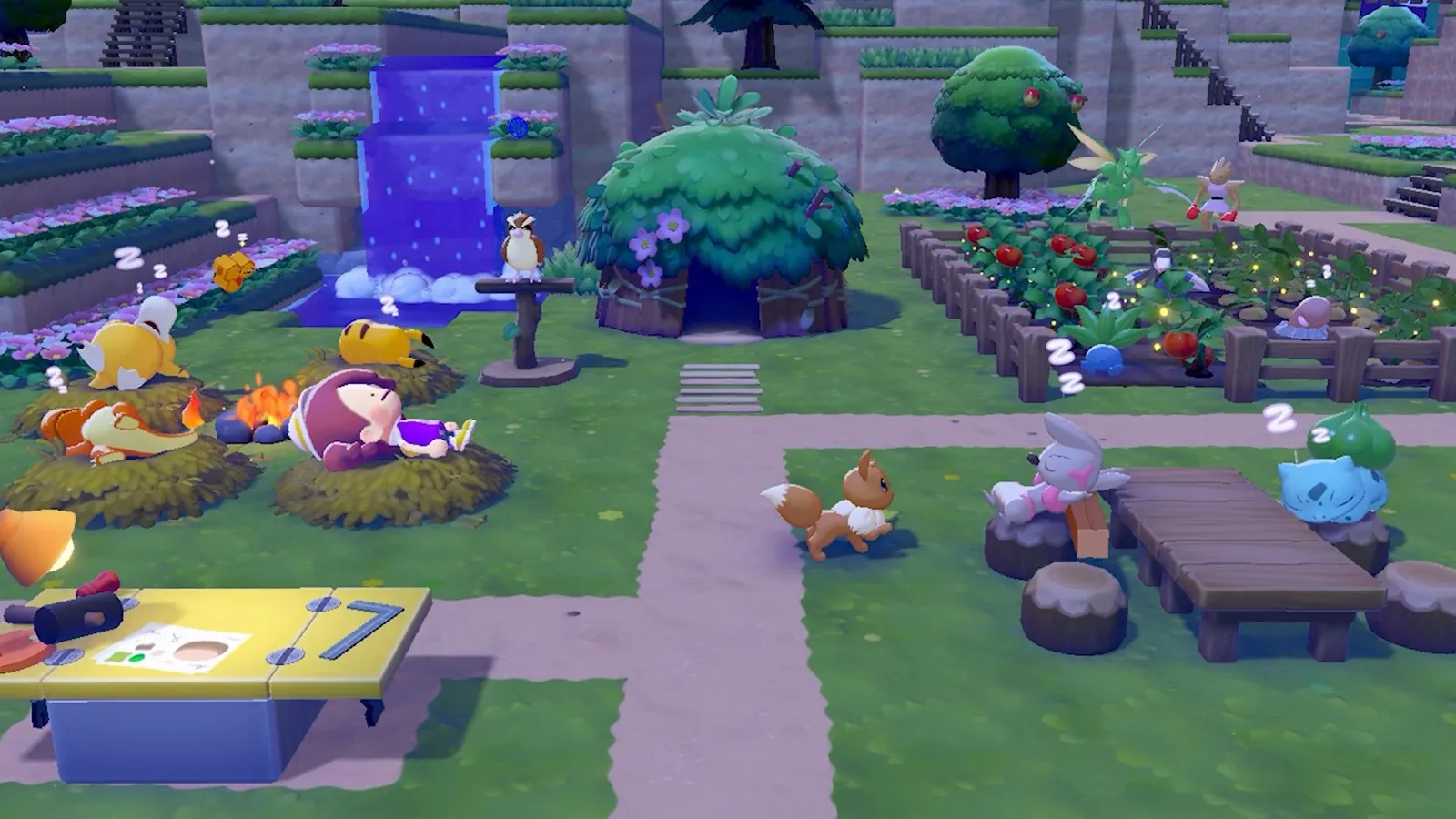
I love Pokopia more than any other Pokémon game in recent years. It's the kind of adoration that makes me revisit old favorites and wonder how long I've taken the series for granted. By mixing up genre staples and smartly updating familiar tropes, Pokopia makes Pokémon feel new again.
It's a delightful experience that I can recommend to anyone, regardless of their familiarity with the franchise. That kind of accessibility isn't easy, and it shouldn't be taken for granted. Now that it's here, we should celebrate it every chance we get.
Now, if you'll excuse me, I have to get back to building my town.


