DocPoint is upon us once again as it celebrates 25 glorious years making a difference in the Finnish festival landscape, and once again curates a selection of insightful and profound films to see.
I spent a little over a week viewing seven films from their extensive roster. Here are five great films, one good one, and one I recommend you skip entirely. I hope that whatever you see this year will be nothing short of revelatory. And if you don't get to attend, most of these films will be available on both physical media and streaming services later in the year.
Agatha's Almanac
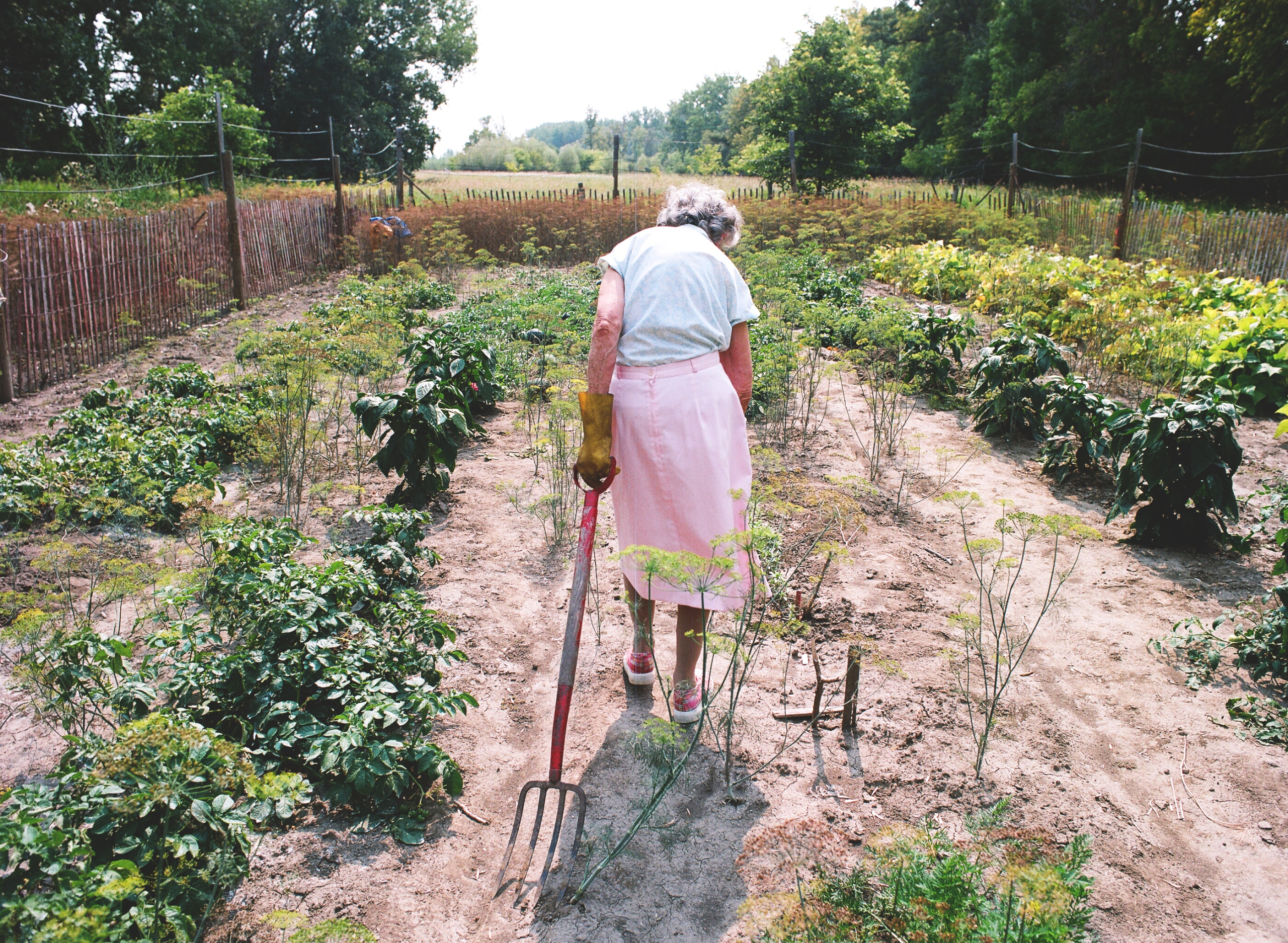
★★★★ | This lovingly constructed portrait of director Amalie Atkins' 90-year-old aunt, Agatha Bock, is tender and melancholy but so full of life it never feels anything less than joyous.
Agatha has lived alone most of her life. She's had suitors, but they've never kept up with her. In one of the funniest moments of the films, she breaks down one of the big relationships by explaining how anyone who'd suggest a breakfast date is better than lunch because it's cheaper isn't worth your time.
Atkins follows Agatha through her routine, which consists of the same things day in, day out in an almost hypnotic manner. She has a small farm where she grows a specific group of fruits and vegetables, and does so on the same terms set out almost a century ago. She doesn't go for any of the modern niceties and her phone calls have the brutal efficiency of a telegram.
We learn of her past, how she lost her sisters to various diseases and how those losses shaped her in turn. Atkins reveals Agatha's insights into life, but this isn't a saccharine daytime special. There are no motivational lessons to be had. Instead, it is a glimpse of a life lived on its own terms.
As a portrait, Agatha's Almanac is intentionally small in scope. We barely leave Agatha's side and learn little else about her than what she's willing to let on. The momentary spats with Atkins are the closest we get to her where certain guards aren't in place. There is always a sense that she knows she's ultimately talking to strangers, and they don't deserve to know everything.
But we don't need to. Even the little that we do learn is lovely. Atkins is a deliberate artist and that shows in her efficient editing and composition. There isn't anything extra. We get what we get because that's what she's decided. It's comforting to be in the hands of such talented storytelling.
Blame
★★★★★ | Hypnotically directed and densely packed with information, Blame is a troubling portrait of how quickly the world tilted off its axis during the COVID-19 pandemic.
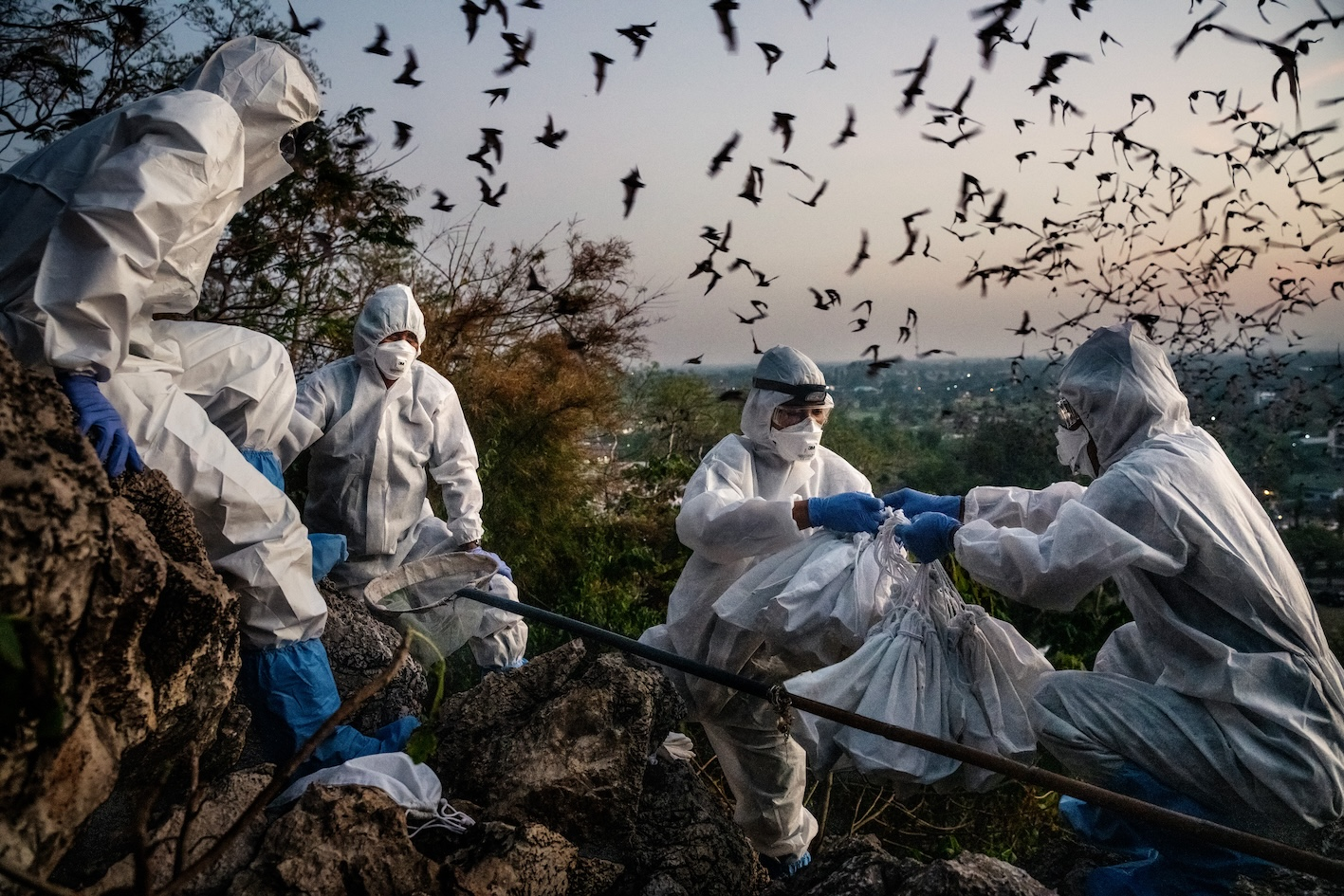
It follows a group of friends and researchers (calling themselves the Bat Pack), who specialize in the effects and causes of viruses transmitted to and from bats. One of these is the virus that would bring the world to a standstill.
But when one of the researchers comes under fire by unfounded accusations and a fictional narrative about COVID-19 being developed in the lab where she works, the group faces an unprecedented amount of scrutiny from Sunday researchers worldwide.
Superbly directed by Christian Frei, Blame is a calmly passionate study of how quickly lies and hysteria spread. It is increasingly frustrating and bewildering, as scientists Linfa Wang and Zhengli Shi fight off preposterous allegations at every turn. Naturally, we view things in hindsight, but it's not hard to see how ridiculous the narrative turns out to be.
Frei drives the narrative through his own ruminations, which range from detached to dryly humorous, and via haunting still photography showcasing the deserted cities during the darkest days of lockdown. It's here, too, that Blame shines as a time capsule of recent history that people want to forget, even when we shouldn't.
Blame arrives at an important crossroads in history. Today, we're in the midst of an unfathomable information war where facts matter more than ever. Frei's empathetic and smartly constructed documentary should be mandatory viewing not just to understand the origins of the pandemic, but for everyone to gain perspective on the nature of lies and fear, and how easily they can devour us all.
It is one of the most vitally important films playing at DocPoint.
Ghost Elephants
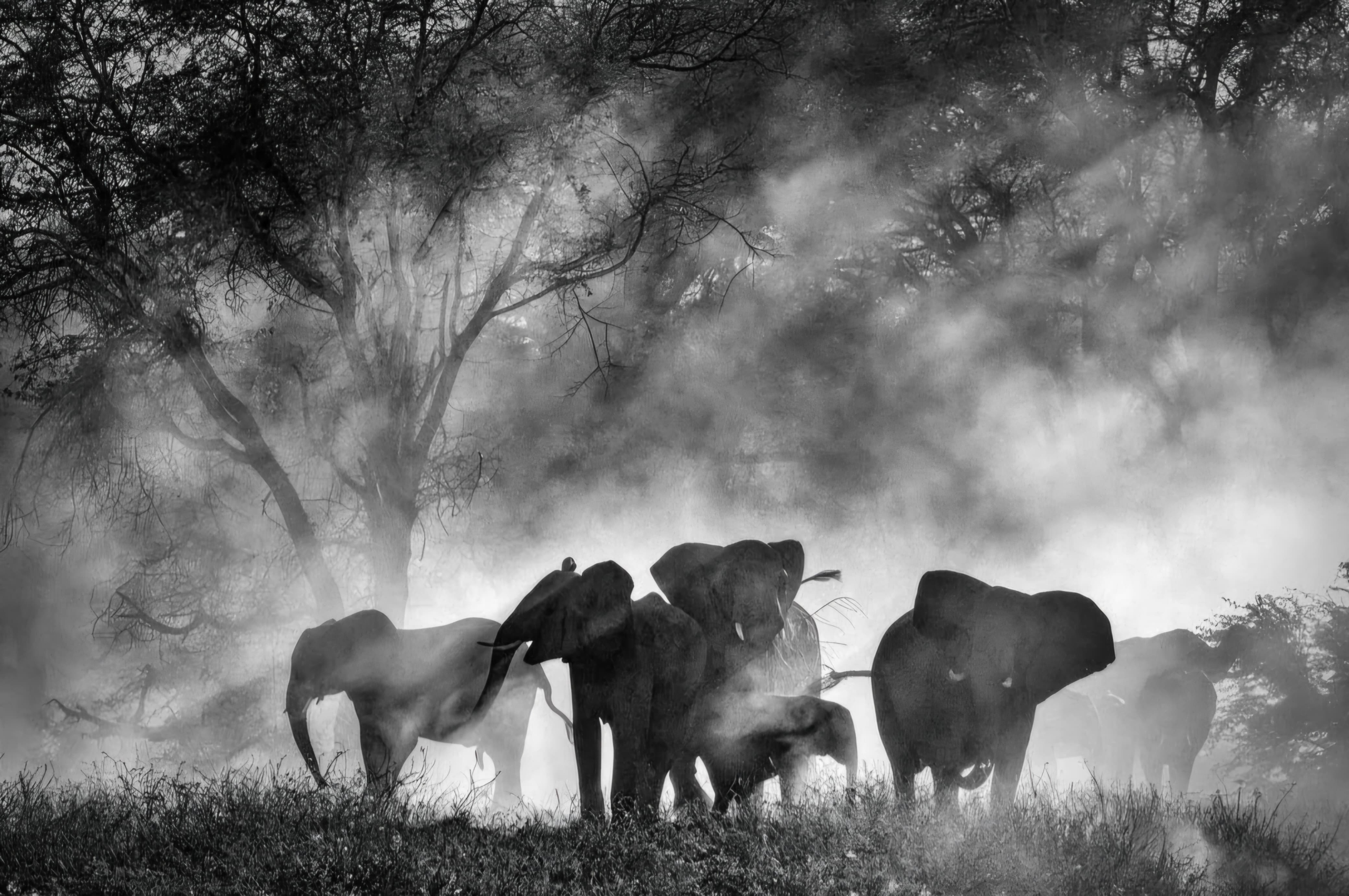
★★★★★ | Werner Herzog is no stranger to stories depicting people driven by mad and doomed desires. At first, his latest feels like a natural succession to that line of ill-fated adventurers as he follows Steve Boyes, a South African naturalist, on a quest to discover a lost breed of elephants.
Like all Herzog's tragic heroes, Boyes is a deeply charismatic individual. From the first moment we meet him, there's a sense that we want this dream to succeed. Boyes isn't in it for fame or fortune, but rather what is left of his sanity. This quest has taken everything from him and he's no closer to the truth today than he was decades ago. His only connection to the dream are the bones of the last known elephant of this kind, which reside in a museum in Washington half the world away.
Boyes and Herzog head into the Highland Plateau of Angola, where much of the film takes shape. It's here that Herzog can fully embrace his love for the unexplored and the untouched wonder we can still find on the planet. For those who love his narrative style, Ghost Elephants delivers plenty to admire. At times, it almost feels as if Herzog's attention drifts from Boyes during the long periods of waiting. Yet none of it is aimless. Every diversion leads back to the big picture of an interconnected world of which we can only decipher a small fraction.
Along the way, we meet local tribesmen who still speak with nature in ways that others have forgot. For a moment, Herzog risks trampling into the territory of the great white savior, until we realize just how mesmerized and deeply reverential both he and Boyes are of this place and its people. Greater questions of colonialism and social structure imposed through centuries of bloodshed remain unanswered, but it would be disastrously unfair to expect this film to answer them in the first place.
Unlike other Herzog films about desperate passions, Ghost Elephants is one of the few that has a chance of success. Boyes isn't an unprepared tourist or troubled individual. His methods take time because he's so intensely concerned about disturbing the natural order of things. When progress happens, even the smallest victory feels like scaling a mountain. But as with mountains, they often reveal a larger, more complex vista beyond it. By the end, Herzog himself is uncertain if there is peace to be found in chasing ghosts, even or especially if they turn out to be real.
ILOVERUSS
★★★ | As far as documentaries go, I'm a traditionalist and have a slight aversion to those that toy with the concept of fact and fiction. Such is the case with ILOVERUSS, a mostly amiable and poignant exploration of unrealized potential in a city of dreamers that loses itself in a David Lynchian riff that doesn't quite pay off.
At the heart is Russ, a background actor who in the past year alone has appeared in over a hundred productions. Yet the limelight eludes him. He has a career of sorts, but in a town built on dreams of greatness, it feels like a failure. Despite this, director Tova Mozard never has anything but empathy for Russ or anyone who devotes their lives chasing their ambitions. It is that empathy that makes ILOVERUSS so moving and profound even when I'm uncertain about its other elements.
ILOVERUSS takes its time and encapsulates years. If there is an antagonist (apart from the Hollywood machine itself), it is time itself. At every turn we feel the cruel ticking away of the minutes, like we are on a schedule nobody but us can see or hear. It's self-imposed, but that kind of drive comes naturally to those of us driven to the arts. Mozard eloquently captures that frustration and contradiction. We know we're not supposed to compare ourselves to others, but how could we not?
Mozard toys with form and function, cutting backward and forward in time to make a point of Russ as a constant while the city and industry change. I'm uncertain if this works as well as a linear depiction. At first it comes off as a warning sign, as if Russ is deluded in his belief that one day things will turn around, even as he enters his fifties and beyond. After all, this is an industry that feeds off youth.
Without Mozard's empathy, this kind of editing would come off as cruel. Especially as the film switches track to a more experimental and fictional world. Yet at its heart, ILOVERUSS really does love its protagonist. It doesn't pity, nor does it sugarcoat the harsh realities. But it does empathize deeply, and we as an audience feel that yearning for a break in every frame of the film.
That is a kind of success in its own way.
Light Memories
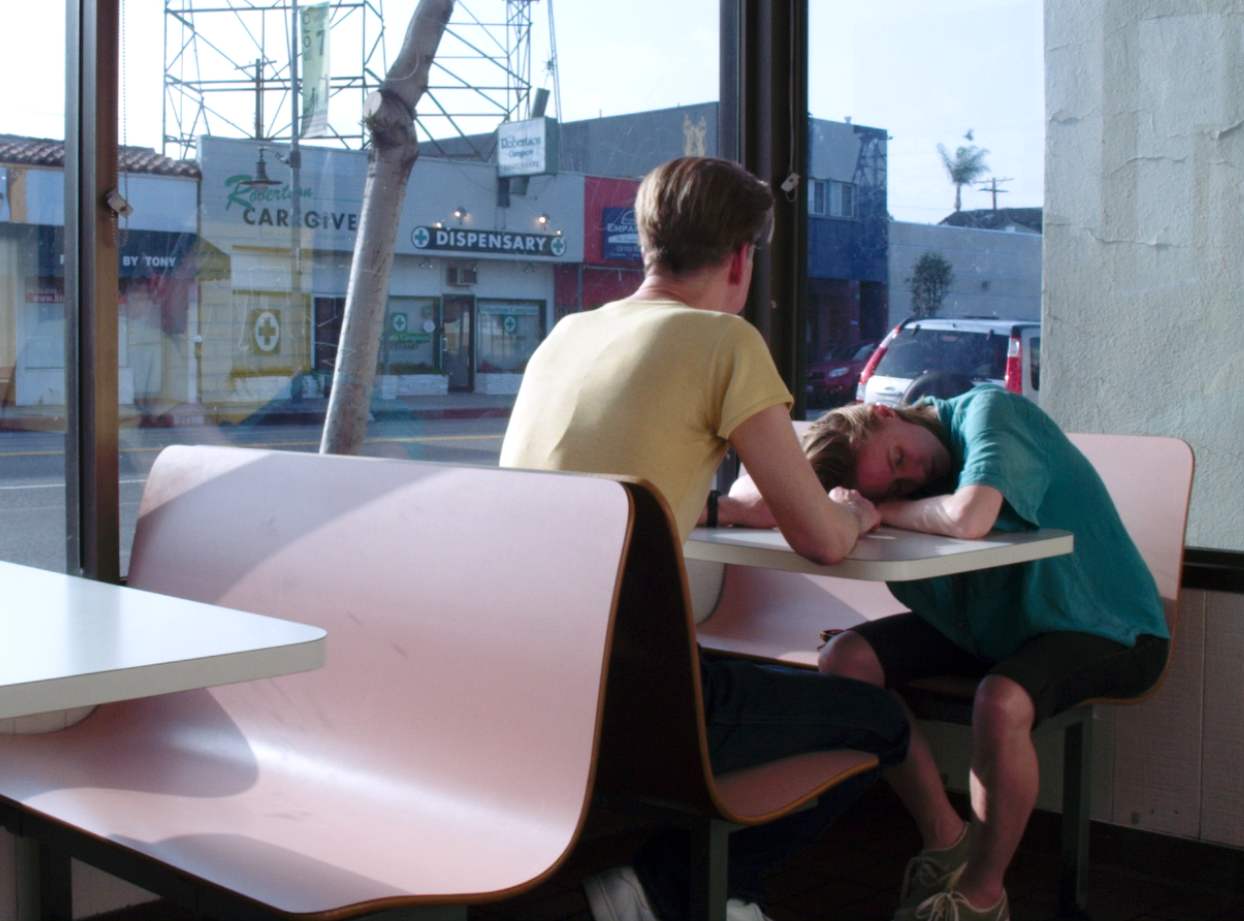
★★★★★ | Family histories are complex even at the best of times. In Misha Vallejo Prut's stunning documentary debut, these truths and obfuscations about our personal histories come out in quietly devastating reveals.
Thankfully, instead of resorting to gaudy sensationalism, Prut lenses the story with great empathy and understanding that allows the audience, as strangers looking in, to reflect on their own difficult relationships with their past.
The grand fixture here is Prut's paternal grandfather, whom the family keeps in mystery and refuses to speak of in detail. Prut prods his mother, Inna, then father, Jorge, and the innocent conversations turn quickly combative. Whatever is under the surface, it is enough to aggravate old wounds that have never healed.
Prut serves as director, cinematographer, and narrator. At times, he addresses the audiences concerns directly by admitting his fears of tearing into the agreed-upon silence. He wonders what good will come of it, yet keeps going. Anyone who has wanted to understand themselves or where they come from can relate to that contradictory drive.
Light Memories isn't a long film. It is the second shortest documentary on this list. Yet it feels gargantuan in scope. Being this close to such grand emotions is taxing, and it is to Prut's credit that he doesn't overstay his welcome. Any more and the film would risk losing us into a sea of despair, only to reject further revelations as needlessly salacious. Now, we learn as much as a stranger should, and the focus instead leans into the potential healing that is ahead.
This is a beautiful and often very hard film to watch. It is a remarkable feature debut from a deeply humane and understanding filmmaker. It could have only come from someone who has lived with these questions for decades, and it does what every great documentary should do: It allows us to understand more.
Seeds
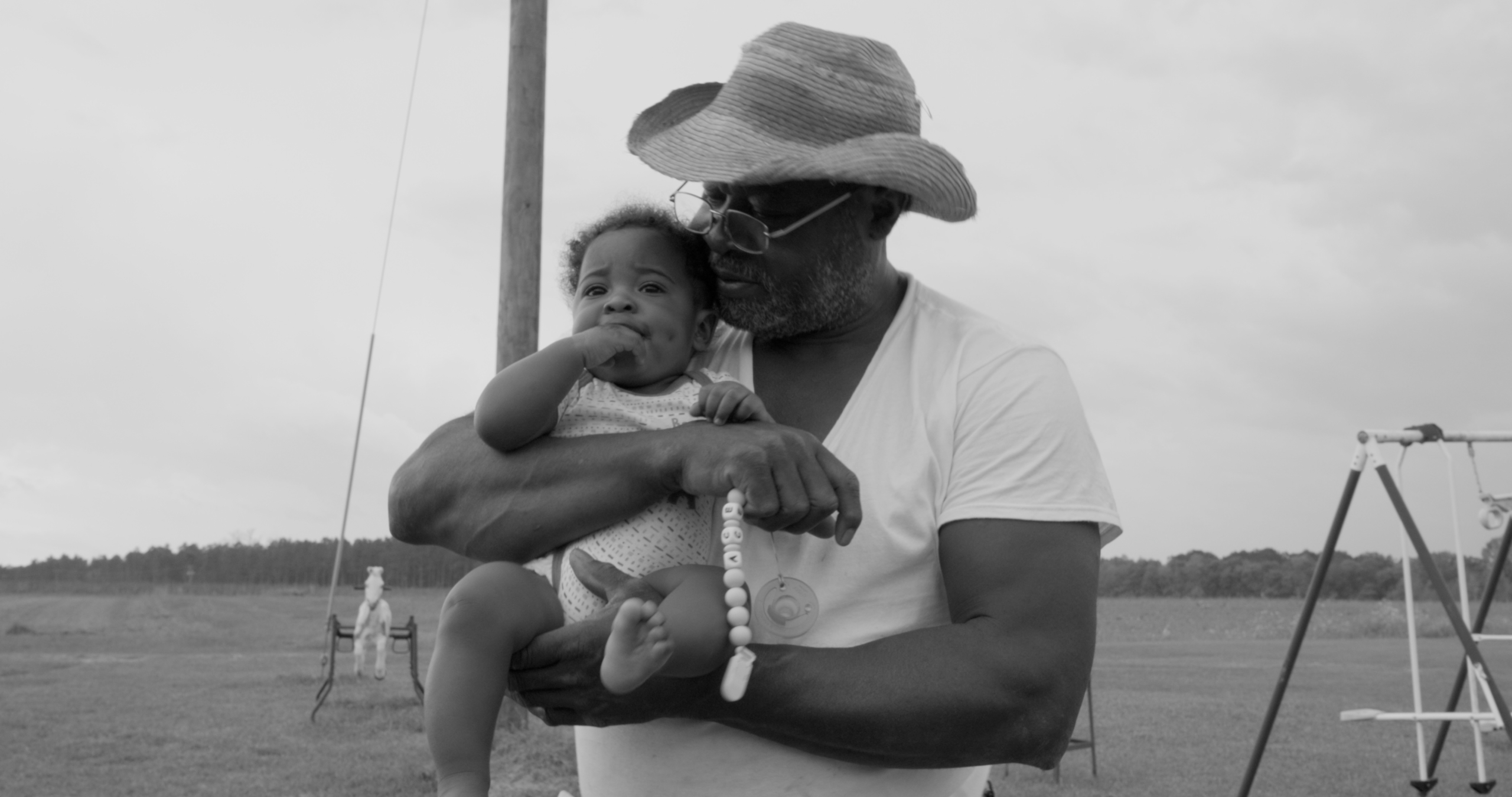
★★★★★ | This magnificent and quietly devastating documentary from Brittany Shyne was shot over the course of seven years and captures a searing indictment of America both in its historic and present day context.
It ties the political with the economic and paints a vivid portrait of those working the land they own in the shadow of slavery and oppression. Most of the people featured come from long lines of farmers. It doesn't take long in the family tree to find those who suffered under slavery and even less to those who lived under the Jim Crow laws and segregation.
Today, they might own the land they cultivate with deep care and passion, but with rising costs and incomprehensible taxation, it's clear they're still beholden to powers beyond their control. Watch, for example, how white farmers access care and social structures with ease, and how that same isn't afforded to the black communities. It is enough to make the blood boil.
Yet Shyne refuses to build their documentary into a piece about giving up. This isn't a goodbye to a way of life because that would let those in power win. Instead, it is a reminder and testament to those who continue to persist in the harshest conditions. It is a startling call for others to see with their own eyes the inequality inherent in America – along with all other inequalities – and how they permeate every fabric of the social contract.
Filmed in gorgeous black and white, Shyne evokes grand imagery of the south that is loving but pointedly not romanticized. It says we can love the land and the people, yet rightfully hate the culture built around it. Seeds is a thoughtful, beautiful, and immensely timely film that everyone should see. Especially viewers far removed from America, so that we can understand how any society builds itself askew, and how easily it perpetuates a world it insists we've left behind.
Synthetic Sincerity
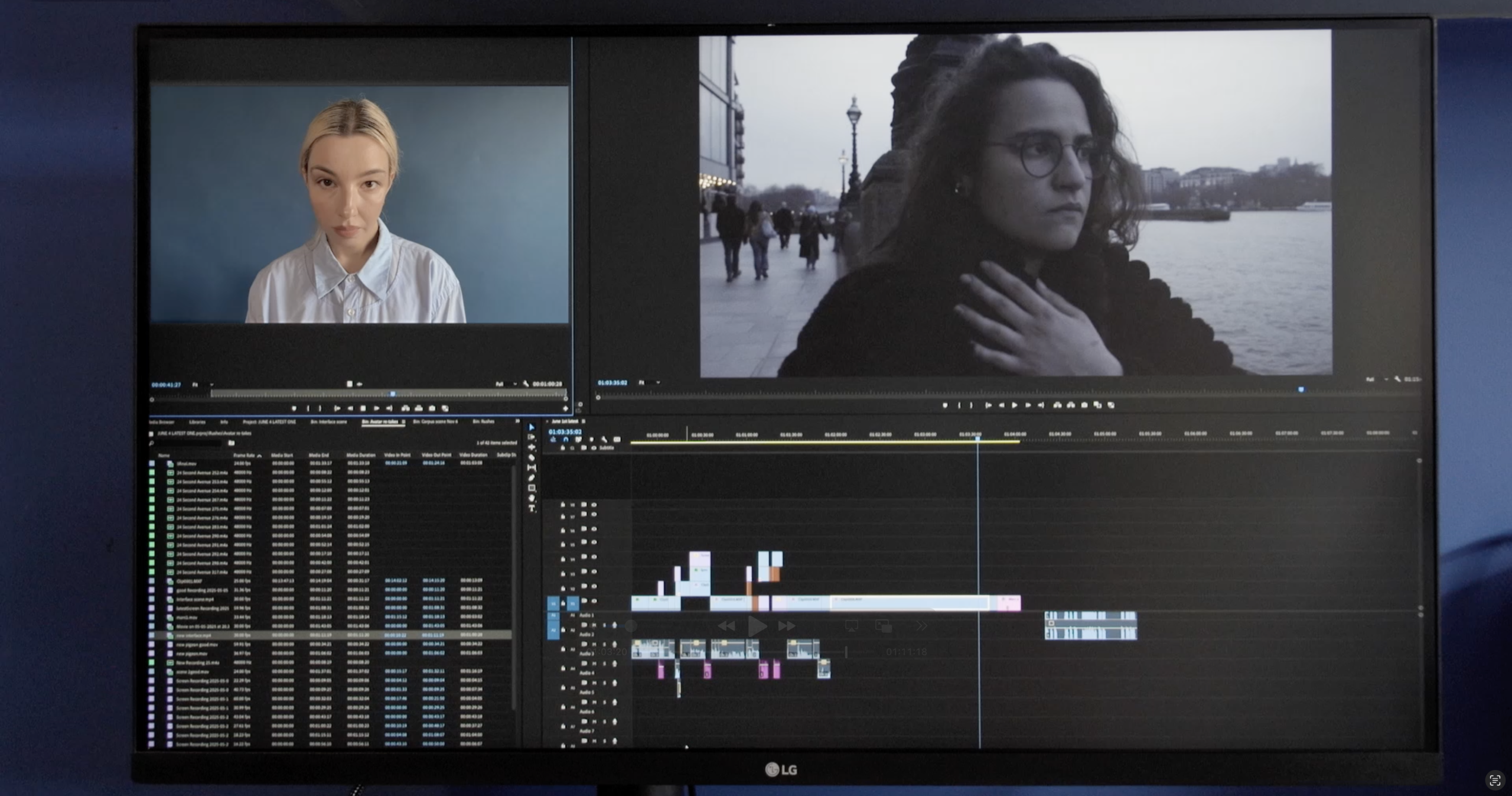
★ | Synthetic Sincerity isn't really a documentary. It isn't fiction, either, but more of a weird amalgamation between a shower thought and outright trolling. What it is though is muddled, poorly structured, and hopelessly dated even as it is released. In a rush to make a point – any point, really – about AI and its uses, Synthetic Sincerity trips over itself to be the first regardless of the cost.
At just 60 minutes in length, Synthetic Sincerity lacks focus. It rambles from topic to topic without cohesion, moving from the use of AI as a communication tool for the disabled to politics in China without much connective tissue. There is a lot to say about both subjects, but a single one could fill 60 minutes on their own and still not scratch the surface. It is foolish to cram both into the film and leave them as vague notions for others to explore.
The singular question Synthetic Sincerity returns to is a profound one: What is truth in the face of AI? Sadly, the film has no interest in answering or even exploring it beyond presenting it to the audience. It muddies the waters by amping in fictional elements of its own, none of which work or make for amusing asides. At such a short length, a film of this kind needs precision and wit. Neither are in stock here, apparently.
I'm sure such frustrations are intended. This is a film meant to irritate, so in that regard I say, bravo, well done, you've succeeded. But there is so little else to be found that even spending an hour to experience an intended annoyance feels like wasted energy. You could achieve much the same with a YouTube video essay and save the money on the ticket.