



Version: Digital retail review code provided by the distributor
Independence & Ethics
Region Free is entirely reader-supported and maintains full editorial independence. For more on my scoring and standards, see the Review Guide.
If reviews were scored on ambition alone, Remedy would always get perfect marks. No other studio, except maybe Hideo Kojima, is this happy to take wild narrative swings or even change up a working formula between games. If the industry ziggs, Remedy zaggs. Their bullheaded "et sä määrää mua" (you're not the boss of me) Finnishness is admirable, even when it works against them.
After Control, a tightly wound Metroidvania-action-horror title, and the strictly linear Alan Wake 2, Remedy flips the script entirely with Control Resonant, an open-world action game with light RPG elements and a sprawling, ambitious narrative that offers no easy answers.
It's far from perfect, and I have plenty of issues with it, but I admire every bold leap it takes, even when they're missteps.
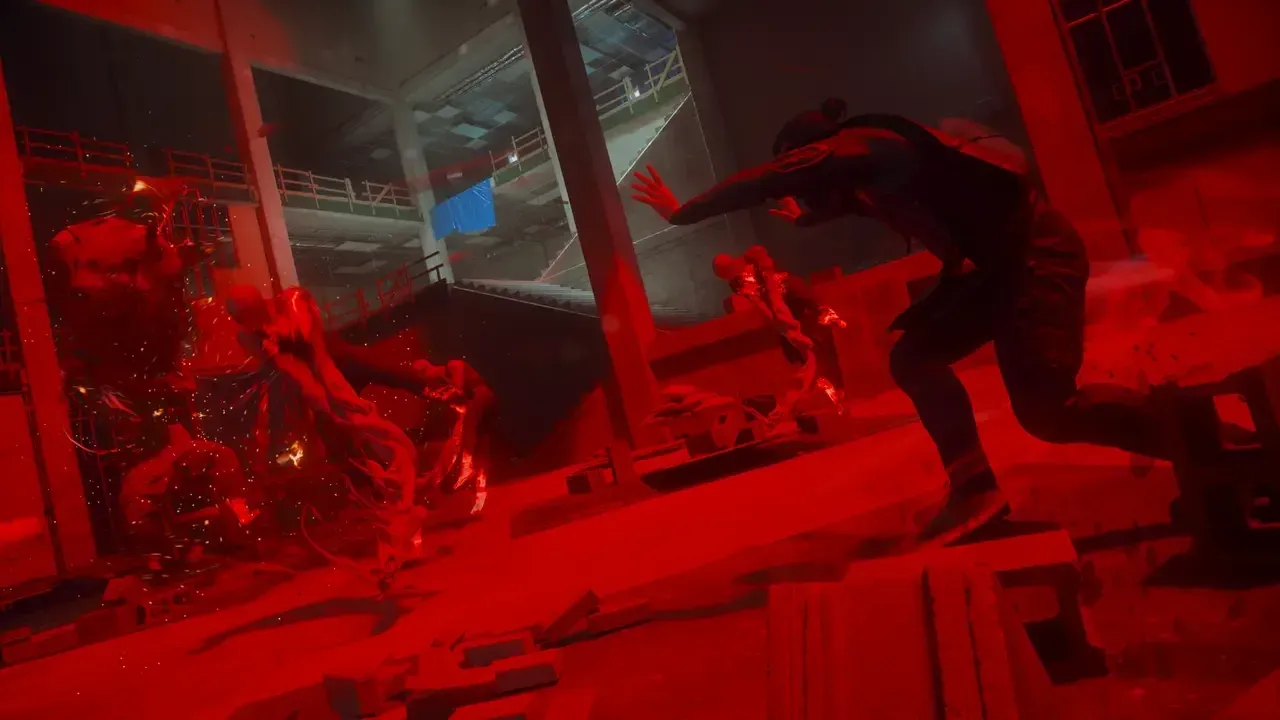
I'll be honest, I'm not the biggest fan of either Control or Alan Wake 2.
I admire them for their artistry, but I didn't enjoy playing either one. I love watching someone else play them, so that I can focus on the story elements, which are still some of the best in gaming. Director Mikael Kasurinen, who takes full control of the story this time around, crafts some of the oddest, most ambitious visions of otherworldly horror this art form has seen, and I adore every wacky tale they tell.
But it's been some years since Control and its expansions, Foundation and AWE, and without the helpful recap function, I'd be completely lost with Resonant's plot. Narratively, it is as ambitious as Remedy gets, again diving into the murky waters of traumatized psyches coming to grips with their troubled pasts in a world gone haywire.
While the story is too convoluted for its own good, singular moments moved me deeply, especially a brilliant section with literal shadows standing in as embodiments of trauma. But it's also frustratingly timid, often walking back any forward momentum in lore or dramatic reveals. As a result, Control Resonant feels like an offshoot, a kind of bottle episode that has to retain the status quo.
Set seven years after the events of Control, Resonant begins with Jesse Faden disappearing from the Federal Bureau of Control, leaving behind her now-awakened brother, Dylan, who served as an antagonist in the first game. The Hiss, a violent supernatural force that once possessed Dylan, has broken containment, destroying large sections of Manhattan and tearing a hole in the fabric of reality. With Jesse gone, the FBC has little choice but to trust Dylan, who now seeks his sister in return.
In a way, it's the other side of the same coin seen in Control. Here, the tragic story of the Faden twins repeats itself from another perspective as Remedy builds upon repetition and familiarity to construct a larger world.
No matter who is at the helm, Remedy loves consistency, especially in theme. Their stories focus on broken people who've lost a part of themselves and will do anything to rediscover their purpose. These worlds belong to the incomplete, and part of what makes Control Resonant so compelling is how it doesn't distinguish between mental and physical pain. Both feed one another, and both scar in the same way.
Whatever my other hang-ups, I will always, always cherish stories like this.
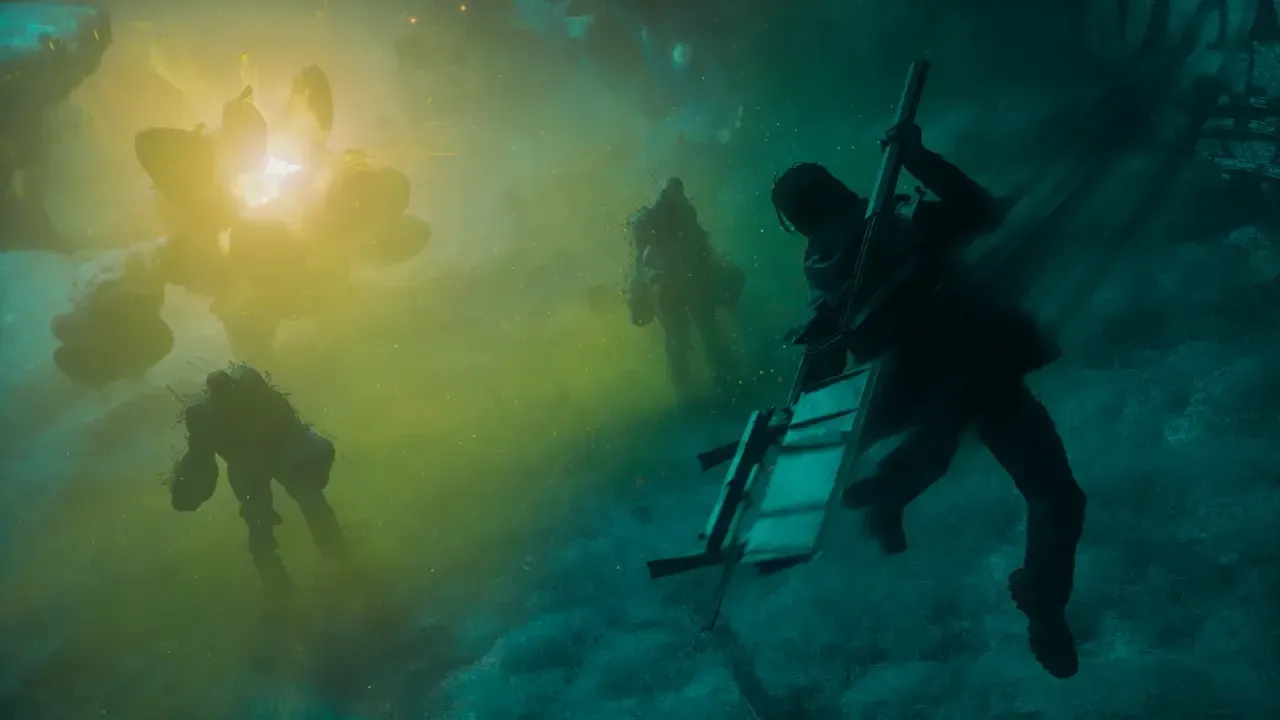
As much as I love the narrative in Control Resonant, I'm far less enthusiastic about its gameplay, which far too often feels like a chore.
This is a combat-heavy game where you constantly feel underpowered, even after 20 hours and numerous upgrades. Everyone from regular grunts to high-level bosses sponges damage like there's no tomorrow, and when every street corner starts another encounter, it gets tedious quickly.
Control Resonant has an accessibility toggle for damage input and output, but it feels like it breaks the intended design, which is never a good sign for a game like this. After all, the default settings should provide both challenge and satisfaction in equal measure. But Control Resonant never settles for either one. I didn't find it difficult, except for some unreasonably unfair boss fights towards the end; everything just took too long. I wanted to explore the mysteries of the liminal spaces of my soul, not whittle down the endlessly long health bar of a demonic bus for the twentieth time in an hour.
Similarly, the boss encounters suffer from terrible pacing, which detracts from how impossibly beautiful and intricately designed some of them are. You can see where the intense graphical demands come from: Control Resonant looks and sounds far more expensive than its relatively modest budget.
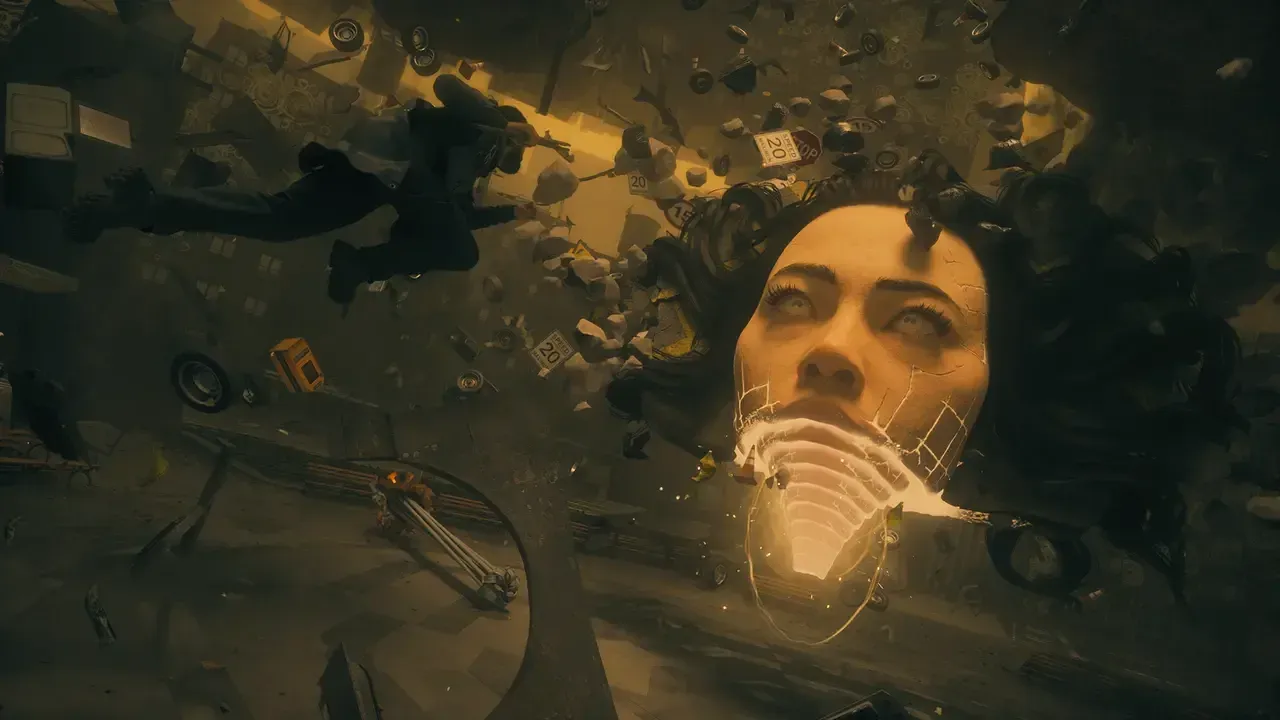
I've spent well over a month with Control Resonant. At first, I wanted to submit my review for the embargo, but I felt it would have only done a disservice not to sit with my feelings first. My initial reactions were far poorer than they are now. After my first playthrough, I disliked the combat so much that I was ready to dismiss the game entirely.
Then, after a week, I went back to complete side missions. I let the world breathe. I waited for updates that came like clockwork. I even bought a physical copy to show my support for the company and physical media. And while I can't say that I've learnt to love Control Resonant, I have come to appreciate it more than I thought possible.
Where else will I find platforming and level design as intricate and ambitious as in the Underpass? Or delightfully odd and laconic cursed items like a set of speakers that force people to karaoke until they die? At best, Control Resonant is a celebration of the imagination: weird and insightful like the love child of David Lynch and Christopher Nolan. It contains singular moments that are better than some entire games, even if the big picture doesn't come together as I'd want.
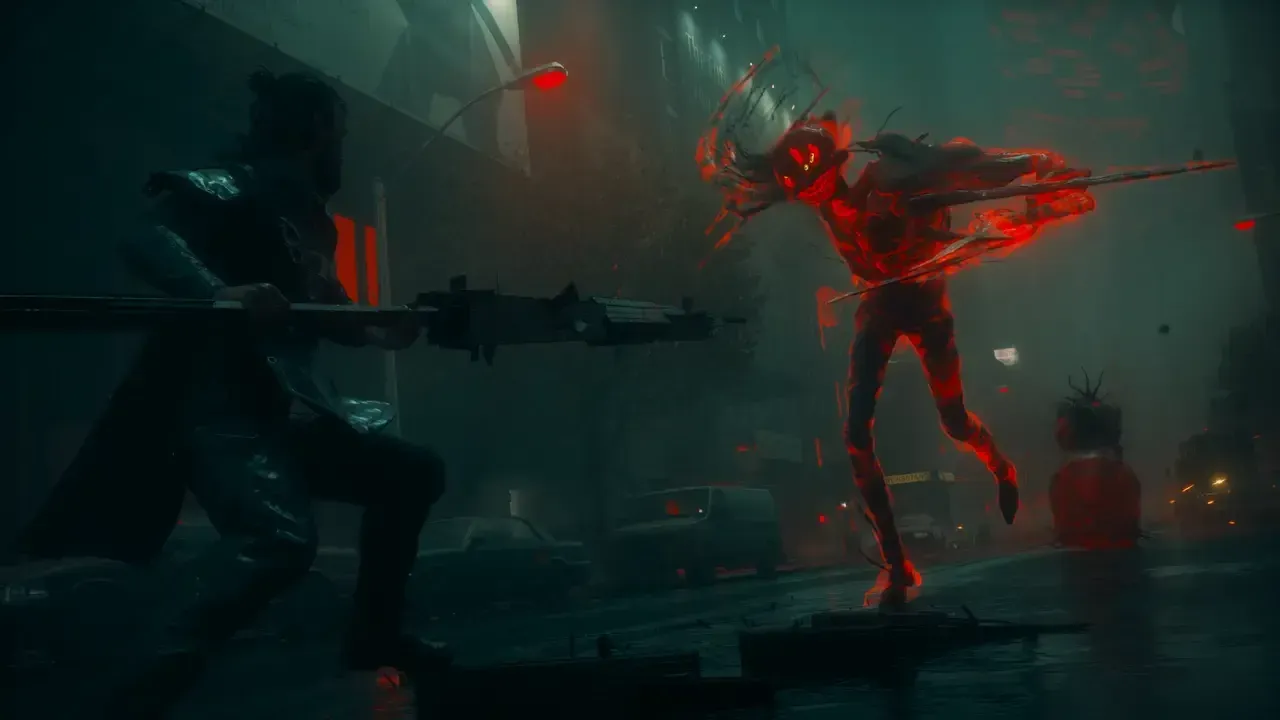
Will you like it? Will it compare with the best of Remedy? It's hard, even impossible, to say for certain. It depends entirely on which facet of Remedy you prefer. Those who loved Control's tight gameplay will undoubtedly feel a bit lost in Resonant's open sprawl.
Traditionalists will bristle at how Control Resonant forces a specific way of play, even as it gives out world-bending tools that only work in certain areas. But perhaps there's a middle ground of gamers who will overlook these disparate elements for the sake of story. I'm one of them.
For those willing to tolerate its quirks and accept the rough edges, Control Resonant offers much to admire. It's unlike anything else you'll see this year, perhaps even next year and the many more after that, and that counts for something.


