



Version: Digital retail review code provided by the distributor
Independence & Ethics
Region Free is entirely reader-supported and maintains full editorial independence. For more on my scoring and standards, see the Review Guide.
It's been twenty years since the last Onimusha title, not counting remasters, and even longer since the original trilogy wrapped with Onimusha 3: Demon Siege. During that time, we've had three console generations, and most gamers today probably don't even remember Capcom's cult favorite, or certainly not with the same fervor as us old timers, who grew up with the epic samurai fantasy saga.
So, despite my enthusiasm from last year's Gamescom, where an early demo of the game blew me away, I was still nervous going into Way of the Sword, which serves as a new beginning for the story. After all, despite everything, I still remember how the original games felt at the time. Nostalgia is a powerful drug, and an even heavier burden.
Luckily, I shouldn't have worried. After nearly 30 hours with Onimusha: Way of the Sword, I can safely say that Capcom has nailed it. This isn't just the best Onimusha game in the series; it's one of the best action games ever made, and yet another home run from the legendary studio, which is on a generational run this year.
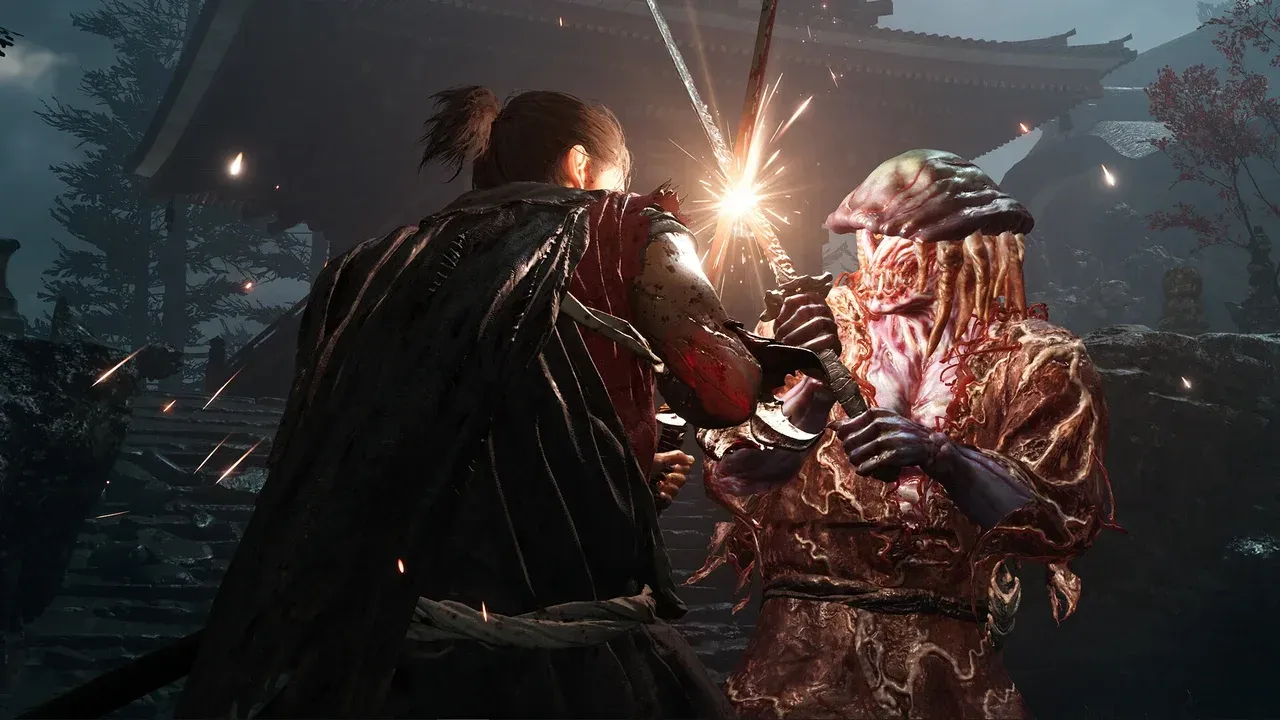
Way of the Sword introduces a new hero, Miyamoto Musashi, based on the legendary Japanese swordsman, and modeled after Toshiro Mifune, iconic star of films like The Hidden Fortress, Throne of Blood, and Seven Samurai.
When we first meet him, Musashi is a traveling trickster and swordsman who makes a meager living going town to town in search of legendary opponents to defeat in battle. Egotistic and supremely confident, he's still a softie deep down, yet the way of the sword keeps him distant from the rest of society.
One day, after wreaking havoc in a local school, Musashi encounters his long-time rival, Goryu, who wants a rematch. Their odd frenemy relationship forms part of the backbone of the story, but before we can learn more, both are suddenly killed by monstrous beings impenetrable by human weapons. Musashi awakens in hell, where a spirit of a dead warrior gives him the Oni gauntlet, a soul vessel that will give Musashi the power to kill demons, and sends him on a quest to become a worthy fighter.
Naturally, not everything is as it seems, and Musashi soon finds himself at the center of a massive plot to destroy the world, where the forces of good and evil, heaven and earth collide. As he battles his way through the ruins of Kyoto and beyond, Musashi must grow into not just a powerful warrior, but a better man, if he is to defeat the demons for good.
As far as stories go, Way of the Sword is traditionally classy and unsurprising, but so expertly handled that any familiarity feels only welcome. This is a fun, exciting romp from beginning to end, with great characters, dastardly villains, and wonderfully captivating sequences that dance masterfully between horror and fantasy. I haven't always been a fan of Capcom's writing, and I was certainly down on the fanservice-heavy Resident Evil Requiem early in the year, so it's a great relief that Onimusha isn't just fun, but that it lives up to the cinema that inspired it.
 Joonatan Itkonen
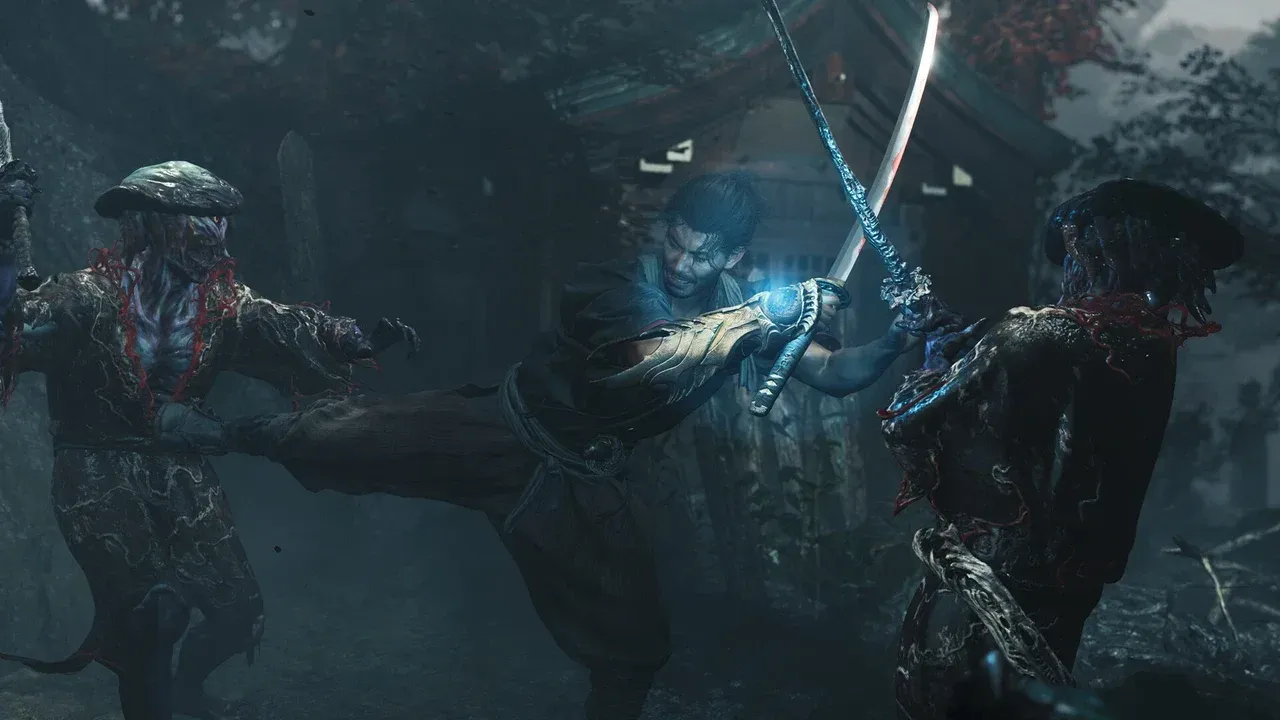
No matter how good the story, it wouldn't mean a thing if the gameplay can't measure up, and luckily, Onimusha: Way of the Sword delivers here as well. This is a combat-heavy action-adventure that emphasizes grand boss battles, and every single encounter is memorable, challenging, and fun.
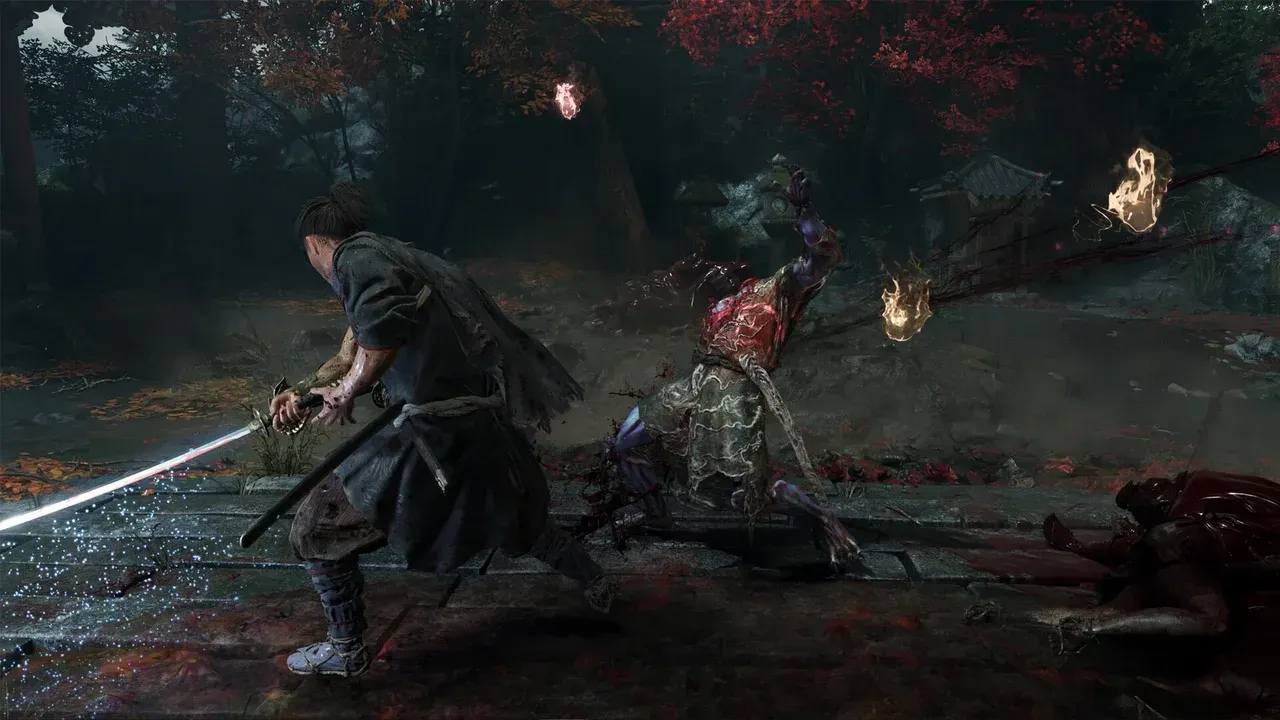
The game teaches every important mechanic right at the start, but it took me every minute of the nearly 30 hours I spent with Onimusha to feel like I had even remotely mastered them. Your main two weapons are the sword and the bow, and much of the combat is a finely tuned dance between blocking, parrying, and pushing when you find an opening. While it's not a one-to-one comparison, Onimusha shares DNA with the Soulslike genre in its punishing difficulty, where even a regular foot soldier can take out Musashi if you're not careful.
Mechanically, Onimusha builds from simple basics. Both Musashi and the demons have stamina meters, which deplete when blocking. Parries rebuild both stamina and the Issen meter. When the latter fills up, you can use it to break enemies and deflect attacks. Bosses, too, can be whittled down with this, though single-hit kills are out of the question. Enemy types range from regular swordsmen to archers, flying heads, water demons, and hulking brutes.
Luckily, Musashi can deflect and parry from every direction, and Onimusha takes great pleasure in depicting incredible animations as he beats back opponents through increasingly fantastic feats of swordsmanship.
Happily, Way of the Sword is nowhere near as unforgiving as Dark Souls, which is a welcome relief. When Musashi dies, he's transported back to the beginning of the encounter or the nearest shrine to try again. On normal difficulty, the default, Musashi doesn't lose his souls, either. It gives breathing room to the longer levels, though I'm sure some will complain it's still too easy.
There's no classic level system, either. Instead, Musashi grows stronger by upgrading his gear and learning skills by consuming red souls, which unlock specific talents as the story progresses. He can also purchase items from an unlockable vendor, which unlock some of the higher-level bonuses to his Oni gauntlet and sword.
The progression is straightforward: Musashi's sword increases his attack, his armor increases health and stamina, and the Oni gauntlet focuses on how many souls he can draw, along with boosting his special attacks. As with other Capcom titles, most power-ups occur after major narrative battles, though Onimusha's semi-open world is littered with mini-bosses to challenge the more explorative players.
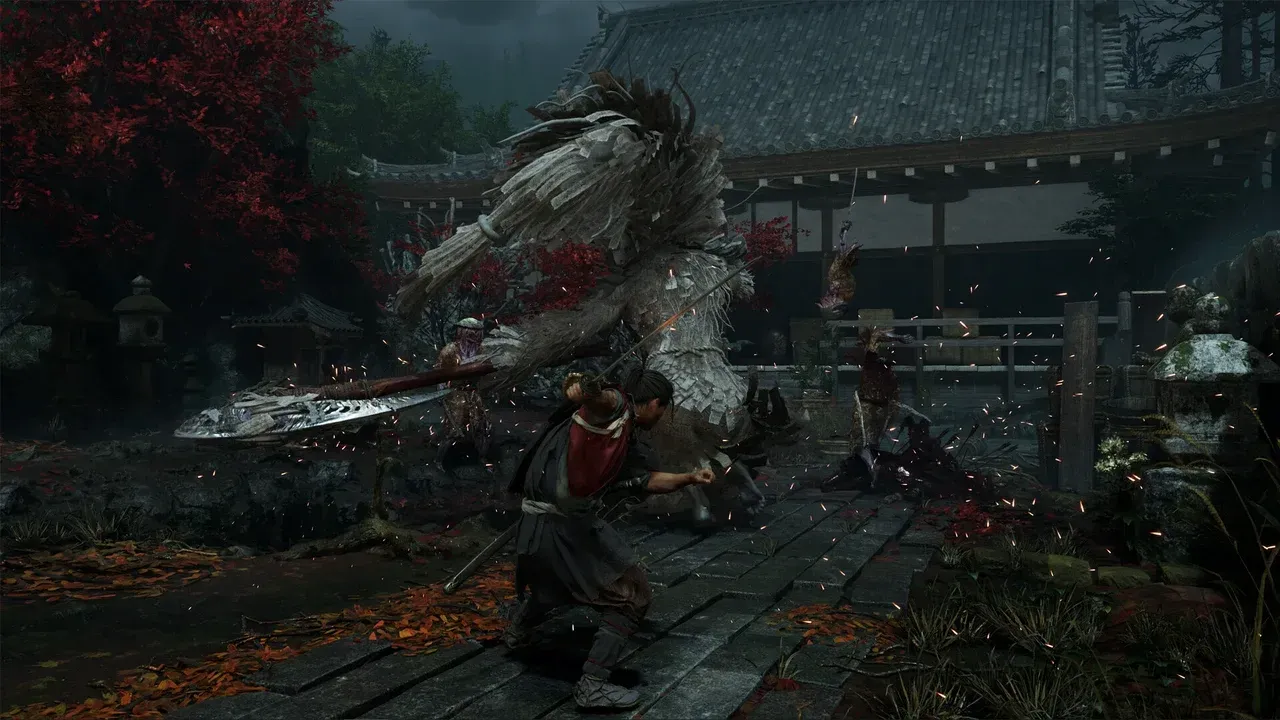
The world is split into multiple large, sprawling areas, and one open hub in Kyoto, where Musashi can unlock new sections as his powers grow. Random citizens will offer smaller missions, including finding lost loved ones and solving mysteries around the city, and there's plenty of little busywork to keep players occupied between larger missions.
As Musashi explores more of the demon-infested world, the locations grow into grand, intricately designed complexes, where enemy encounters range from sudden skirmishes to major battles where demons break into Kyoto through portals. Some of these fights will feel overwhelming at first, especially when hordes of more difficult foes won't wait for Musashi to recover from earlier beatings.
But then, as players gain confidence in more aggressive maneuvers and the block/parry mechanics become second nature, it's wildly rewarding to mow down even the toughest creatures in spectacular fashion. As with the Souls games, it's immensely fun to look back and witness how the bosses that used to wipe the floor with you now barely register in encounters.
Then, there are some of the most imaginative and fun boss battles I've ever encountered in this genre. Way of the Sword features more than a dozen major bosses, each tackling a different skill set, complete with hidden weaknesses and exploits that will help Musashi. And if you don't care for such methods, you can go toe-to-toe with the monsters entirely without assists.
The spectacle is always thrilling, especially as you pick up on the rhythm of the battle. One of my favorite fights ever features the two brothers seen in the most recent trailer, testing Musashi's skill of parrying alternating attacks from all directions. At first, I felt overwhelmed and annoyed by how easily they wiped the floor with me. Then, as I took a deep breath and slowed down my hurried pace, I found the dance almost meditative. The combat is so finely honed that even after two weeks with the game, I still find myself surprised by its intricacies.
Are there complaints? Yes, of course there are. Are they major enough to tip the scales from exuberant praise? No, I don't think so.
Some of the boss battles aren't as good as others, but that's mostly because when Onimusha is good, it's better than anything else we've seen in decades. I had issues parsing some enemy moves because of their color coding, but the excellent accessibility settings solved that, too. Onimusha also features a prompt guide, which indicates the type of incoming attack. It doesn't tell you when to block or dodge, only to prepare for it. Which already makes a huge difference for people with cognitive issues such as myself.
And sure, some of the sidequests are busywork, like running through cleared stages to find missing items or taking out specific enemies, but I rarely, if ever, felt bored. Instead, after completing my initial quest, I went back to spar with bosses and complete every alternative mission just because I liked spending time in this world.
Out of nowhere, Capcom has crafted a masterpiece of an action-adventure game from an IP most thought abandoned and forgotten. Onimusha is a tremendous achievement that showcases Capcom's strengths at their peak in this genre. It's a brilliantly designed experience that will challenge and delight in equal measure, and I sincerely hope it's only the first in a long-lasting new series for years to come.


