



Version: Retail unit provided by the distributor
Independence & Ethics
Region Free is entirely reader-supported and maintains full editorial independence. For more on my scoring and standards, see the Review Guide.
What does 60 Euros sound like? That's a variation on the question I ask a lot when reviewing mid-range products from companies like Turtle Beach, Logitech, and beyond.
Because while it's the high-end and fancy gear that draws our attention, I'm particularly fond of the low-to-mid-range offerings from companies, because I find that's where most of the innovation actually lives. I don't mean with pioneering efforts or new tech, but in the marriage between high quality and everyday practicality. Not everyone can afford an iPhone Pro Max, which is why the regular series iPhone sets the tone for other phones to follow.
Such it is with Turtle Beach, one of the long-lasting titans in the industry, which has seen numerous variations of its brand in the past two decades. At one point, when they were at their lowest, Turtle Beach was synonymous with the controller you gave to the relative you disliked, or the guest you didn't want to win in a game.
Today, they're one of the most reliable third-party designers around, with some of my favorite gaming gear under their shared banner with PDP. It's wild what a few years can change.
Their Atlas 200 headset is a prime example of what Turtle Beach gets so right in design, but also the limitations where its material goods can't compete with larger companies.
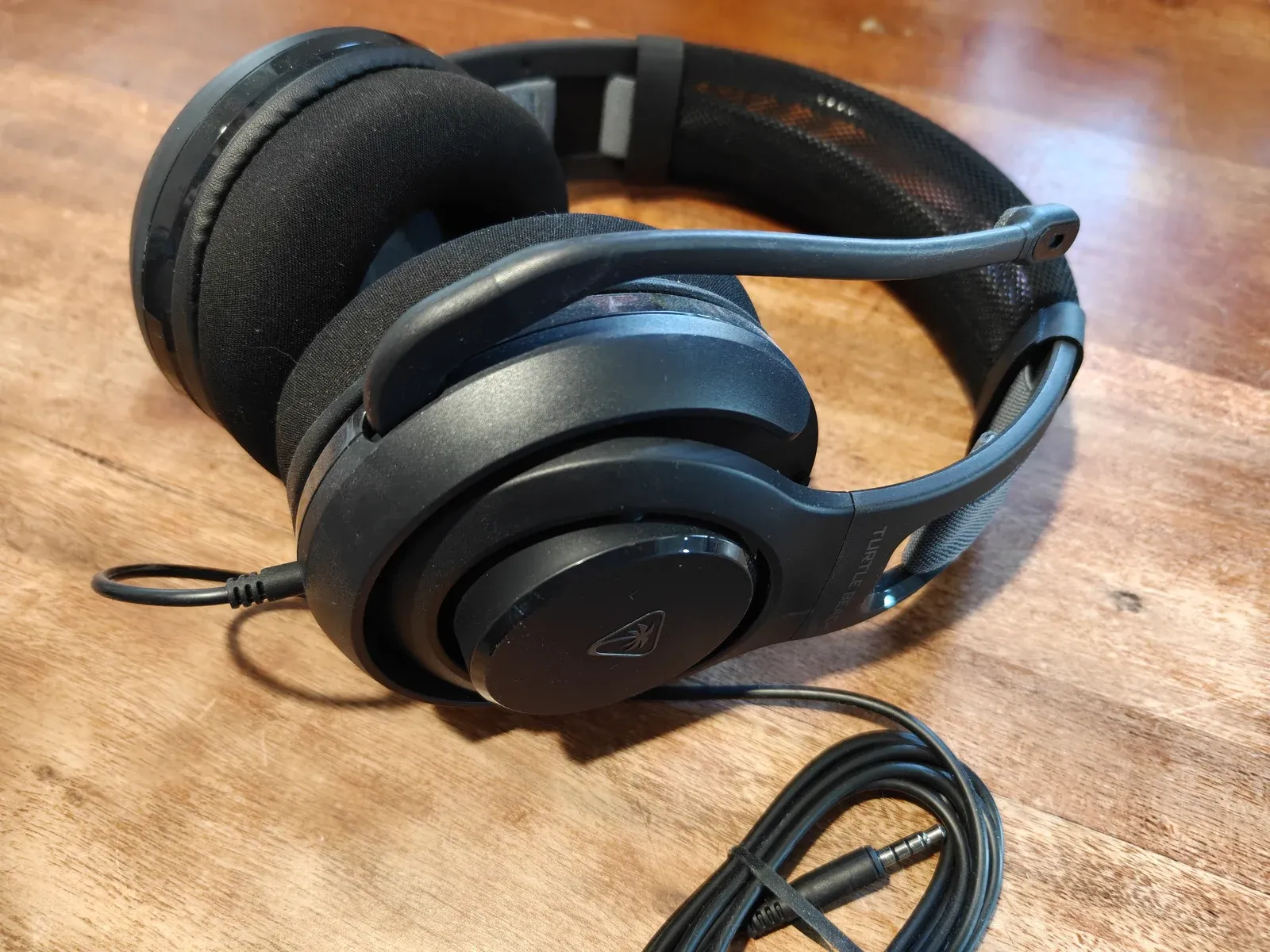
The Atlas 200 is lightweight, comfortable (once settled), and it sounds good. On paper, it should be an ideal purchase for the 60 Euro asking price. But it also feels cheap with a non-detachable cable that is surprisingly short. The lightweight design comes at the cost of adjustability, and I had a hard time finding a good angle for the boom mic.
I also have long hair, which I found getting caught in the mesh fabric band quite easily. The plastic sides extend only slightly, which often leads to annoying back-and-forth as it's not as easily shifted as competing headsets. The earcups don't swivel, either, so you have to make do with a single fit.
The Turtle Beach Atlas 200 is a minimum viable product, and that's not a bad thing. In fact, there's a level of comfort to that certainty. You get exactly what you pay for, no more, no less.
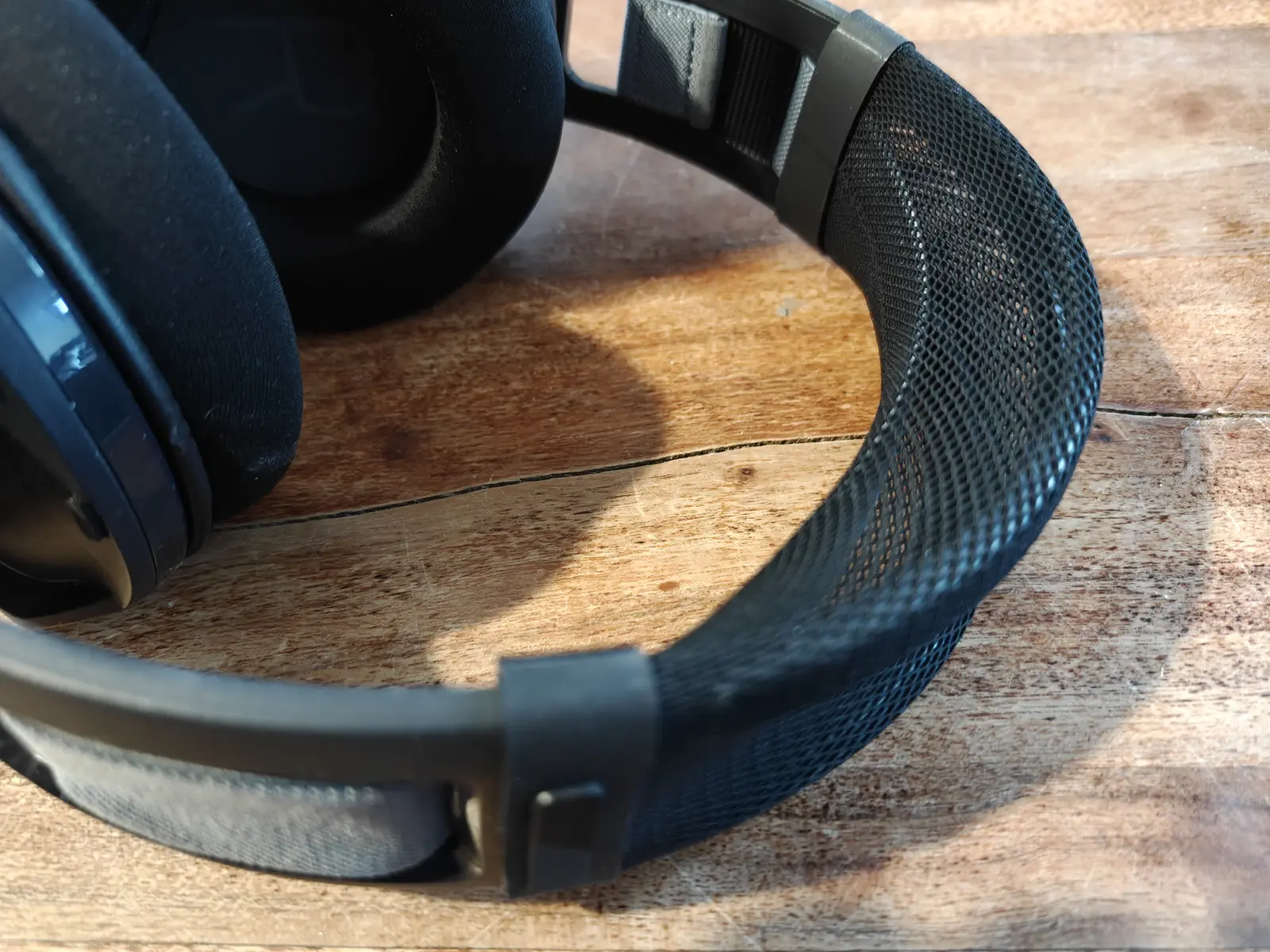
The Atlas 200 headset has a 3.5mm jack without an option for Bluetooth or a USB connection. This limits options for some controllers and platforms, but in my testing, I found that both the Nintendo Switch 2 and PlayStation Pro played nicely along. On a PC, the surprisingly short cable proved an annoyance, and I had to put in an extension cable just to make things work on a reasonably comfortable level.
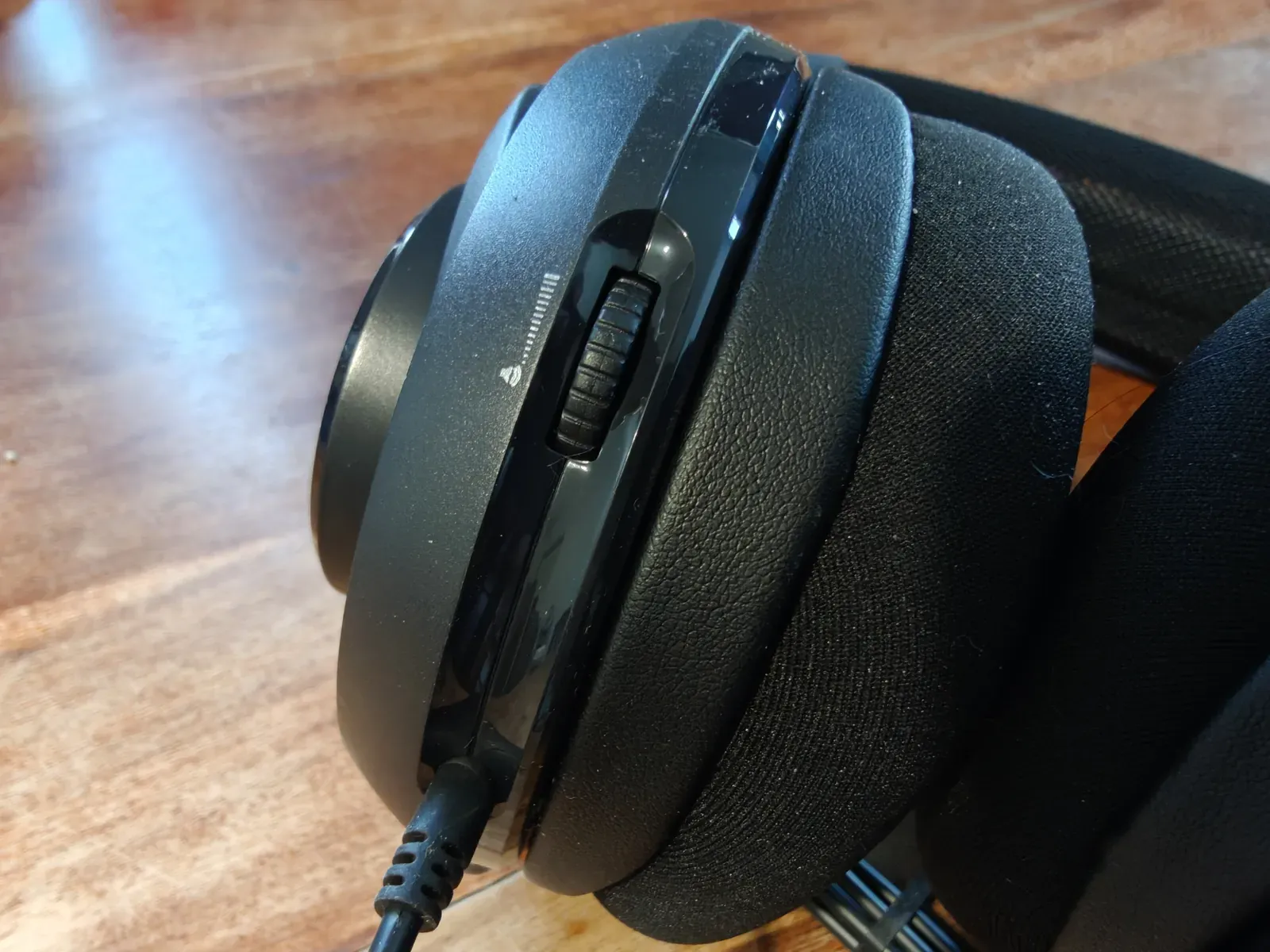
The headset is built from solid plastic without any frills or extravagances. The flip-to-mute mic is sturdy enough that I didn't have to worry about its placement once set, although I did have a hard time finding the right place for it to pick up my atonal voice – a common problem with autistic gamers, as our voice patterns can fluctuate depending on energy levels. There is only a single volume control wheel, which is what you'd expect from a budget product like this.
During my time with the headset, I tested it on a road trip, on the bus, train, and in a plane while hooked up to a Nintendo Switch 2. At home, I had the headphones connected to a PlayStation 5 Pro via the official Sony controller and to my home desktop via an extension cable.
There is no noise cancellation, and the headphones have a bit of sound leak despite the reasonably good earcups. Sound quality, on the other hand, is surprisingly robust and clear throughout. I had a great time with games like Apex Legends, Ghost of Yotei, and Final Fantasy VII Rebirth.
In a fast-paced FPS like Apex Legends, both hit detection and footsteps registered well, with surprisingly precise directional audio for such a cheap headset. With Final Fantasy, I was pleasantly surprised by how well the Atlas 200 managed to parse through the complex sound mix that I use as a benchmark for all my headsets.
The Turtle Beach Atlas 200 headset is a decent enough choice for younger gamers just starting their gaming odyssey. As an entry-level accessory, it provides good sound quality and reasonable durability at a very specific price point. It does nothing beyond that, but that's kind of the idea.
If you're looking for the baseline headset, this is it. At times, that's exactly what you need, and Turtle Beach does deliver on that promise.


