I don't think I can emphasize enough how excited I am about Jolla, the Finnish smartphone company focused on its privacy-oriented Linux-based OS, Sailfish.
Well, in theory. In reality, I think the correct term is hopeful.
Originally built from the ashes of the Nokia empire, which collapsed spectacularly in a cacophony of hubris and arrogance in the early 2010s, Jolla launched as a continuation of the MeeGo platform, offering an alternative to Android, Windows Phone, and iOS. It eventually sold the first Jolla phone in 2013 to an enthusiastic but lukewarm response. A few years later, it disappeared as quietly as it had arrived.
But those of us who love Sailfish OS, and there are at least dozens of us, can't let go of the idea of a true European alternative. Something not beholden to major American corporations, especially in an age where political power rests in increasingly volatile hands.
So, it's incredibly exciting that Jolla is back once again, this time with a new phone and a renewed investment in a privacy-first OS, for MWC 2026. The big promotional push comes at the end of their initial pre-order campaign, which secured 10,000 units and over €5 million in committed sales, which is not nothing in this economy and market.
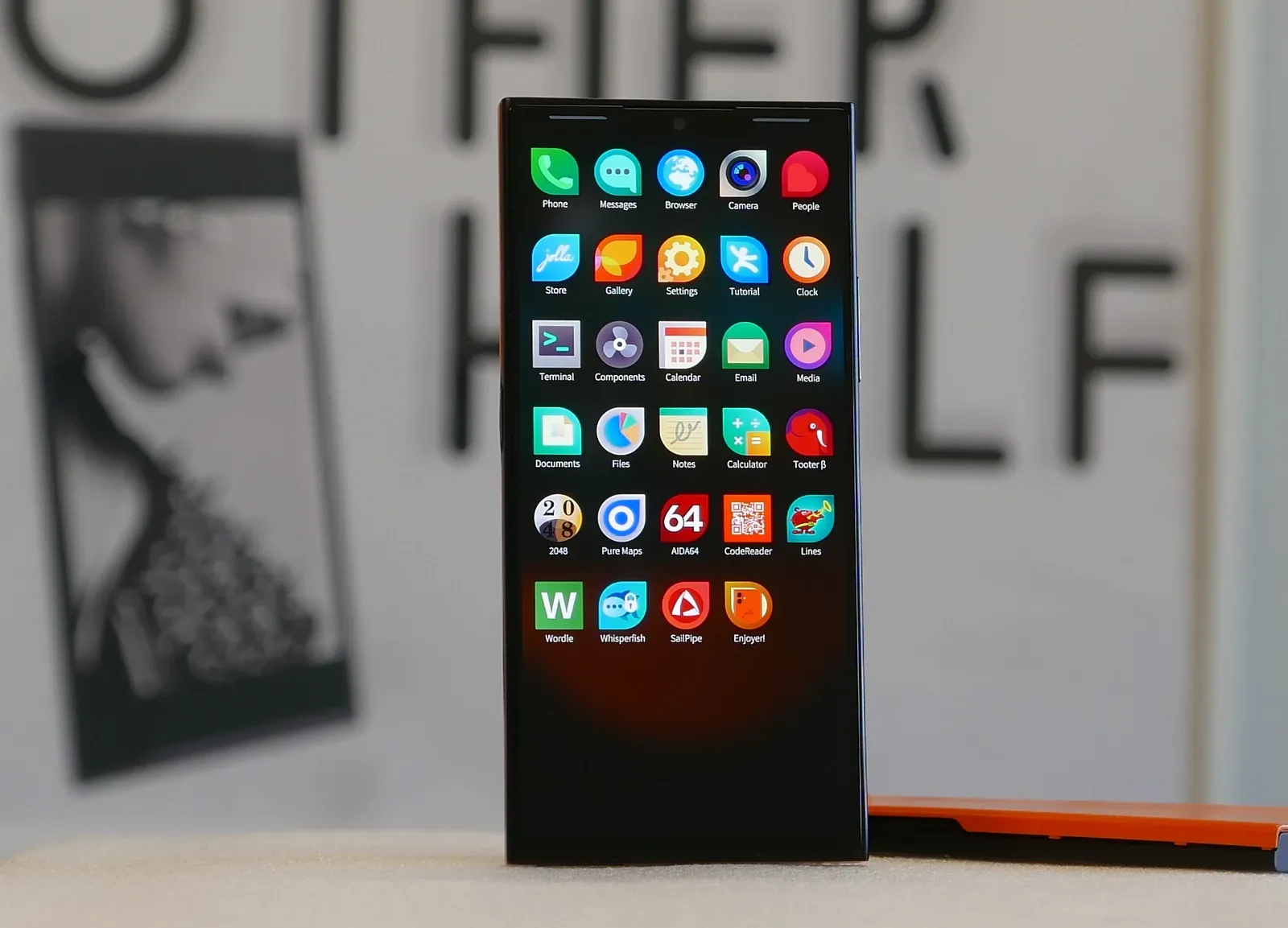
The phone, titled Jolla once again, comes with respectable mid-range specs. But more importantly, it arrives with a promise of user-first repairability and features most industry leaders have excised in the past decade. These include an SD-card slot, a replaceable battery, and proper dual sim support.
For anyone who cares about repairability and long-lasting devices, each of these should be cause for celebration.
Display: 6.36” Full HD+ AMOLED, Gorilla Glass
Processor: MediaTek Dimensity 7100 5G
Memory: SK hynix 8 / 12 GB RAM, 256 GB storage (up to 2 TB)
Sony Cameras: 50 MP main + 13 MP ultra-wide, wide-angle front
Battery: 5,450 mAh, user-replaceable
Special features: Physical privacy switch, replaceable back cover, Dual SIM
But, and there's always a but, I have some questions that temper my excitement.
Jolla is a small company, and the Jolla phone is a passion project driven by an enthusiastic but increasingly small crowd. While Jolla's forum is active, it would be a stretch to call it bustling. The Sailfish OS currently has a voluntary subscription model to keep it active and growing. As of now, there's still no clear indication of which factory will assemble the phone or where it will be assembled. Nor is there any information on how Jolla will scale their production in the future – or what that future will look like.
There's also the privacy question. On paper, Jolla promises a minimum of 5 years for OS updates, and their site repeatedly proclaims numerous on-device solutions. But Jolla also works with AI, and Sailfish OS allows for Android apps to run via AppSupport. For non-technical people, it remains unclear in what capacity either AI or Android will affect the device.
The problem, naturally, is that AI is the complete antithesis to privacy. It is an invasive technology that feeds on information. Until Jolla confirms that their devices do not use AI in any way, it makes it much harder to accept their claims of true privacy.
Then there's the question of repairability beyond what users can do themselves. With the first batch of phones shipping this summer, Jolla remains unclear about where and how warranty replacements or repairs will happen.
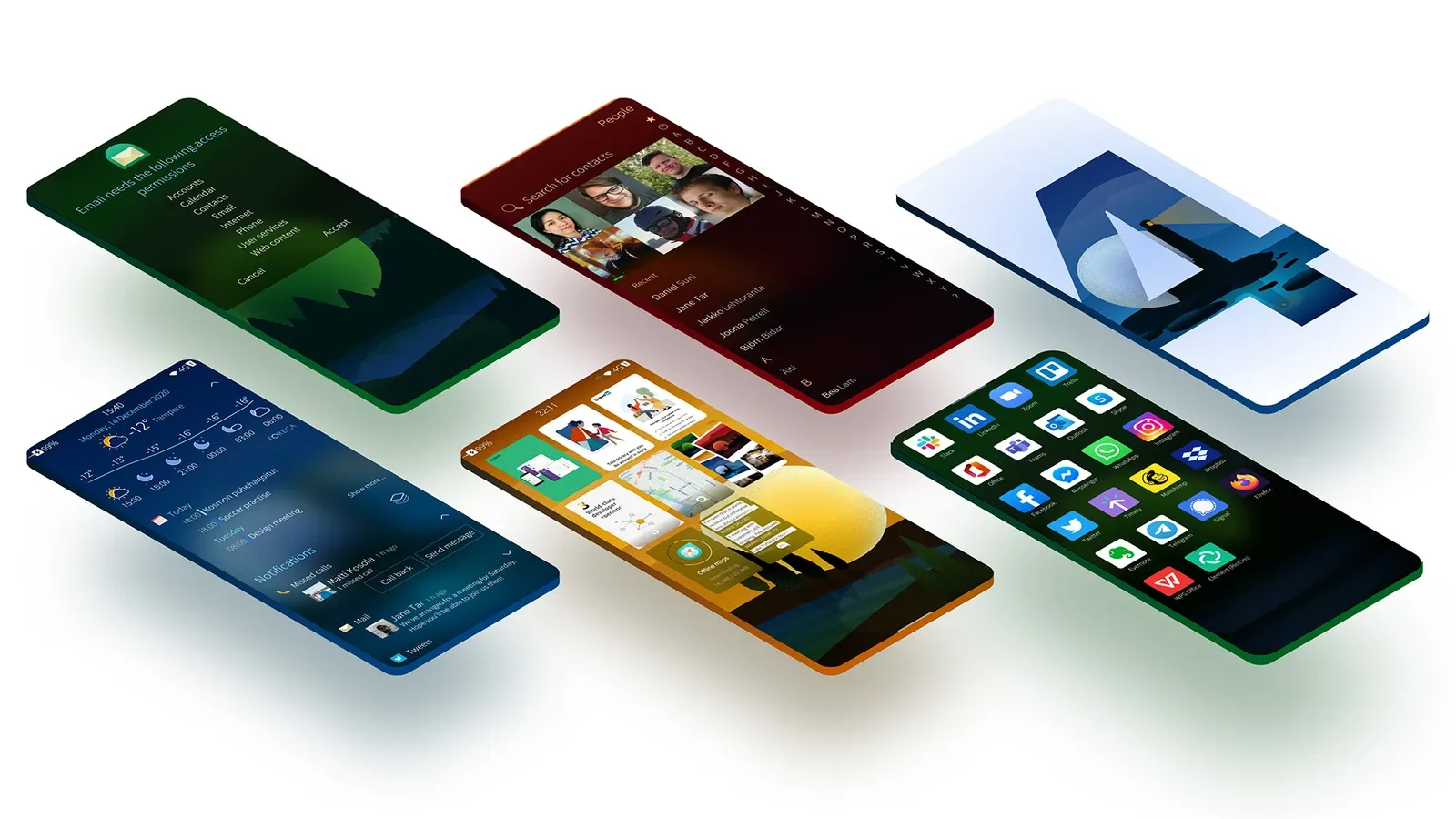
These are major issues that require serious and transparent answers. If I sound unconvinced, it's only because I have such immense hopes for this device. Jolla represents a dream of an alternative Europe, where there's a third viable option for Western audiences that is entirely our own. I want it to succeed beyond all expectations.
For now, we have to wait. Audiences at MWC got to see the phone in action, but anything beyond that is still a mystery. Jolla devotees on the forums remain skeptical about the mid-range chipset and limited memory capacity, especially as the AI hellscape has wrecked the supply chain for future deliveries, and Sailfish, for all its harmonious design, remains an unexplored country.
But if Jolla can make it work and deliver on even most of its promises, I think there's a good chance it can change the world. Right now, we're at a tipping point where many look for alternatives to their regular devices but can't find one that competes with Google or Apple. If Jolla can find an audience and deliver an easy-to-use and intuitive experience to the table, there's no telling how it will shift things.
Jolla has a new limited batch of 1,000 units available for pre-order at €649, with delivery set for September 2026. Pre-order customers pay a €99 deposit, which is deducted from the final price.
The phone is available in EU countries, the UK, Norway, and Switzerland, with the first shipments starting at the end of June 2026.