

Version: Digital retail review code provided by the distributor
Independence & Ethics
Region Free is entirely reader-supported and maintains full editorial independence. For more on my scoring and standards, see the Review Guide.
Those of us who grew up with Capcom from the late-90s to the early 2010s will recognize Pragmata instantly. It feels like a return to the company that took big risks on new IPs and delivered interesting games almost every year.
It didn't even matter if the result was a hit or a miss. What mattered was that it tried something different from everyone else on the market. This was the era of Viewtiful Joe, Lost Planet, Dark Void, Maximo, Dino Crisis, and Bionic Commando. Between them and the Resident Evil series, there was a golden era where Capcom dominated the third-person action market.
In the past decade, Capcom's output has shifted somewhat. They still release bangers, though mostly in the Resident Evil and Monster Hunter franchises. Every once in a while, we get something new, like 2023's Exoprimal. But the days of experimentation feel long gone.
So it's an immensely happy surprise that Pragmata isn't just a throwback to that bygone era, but also one of the best games of the year so far.
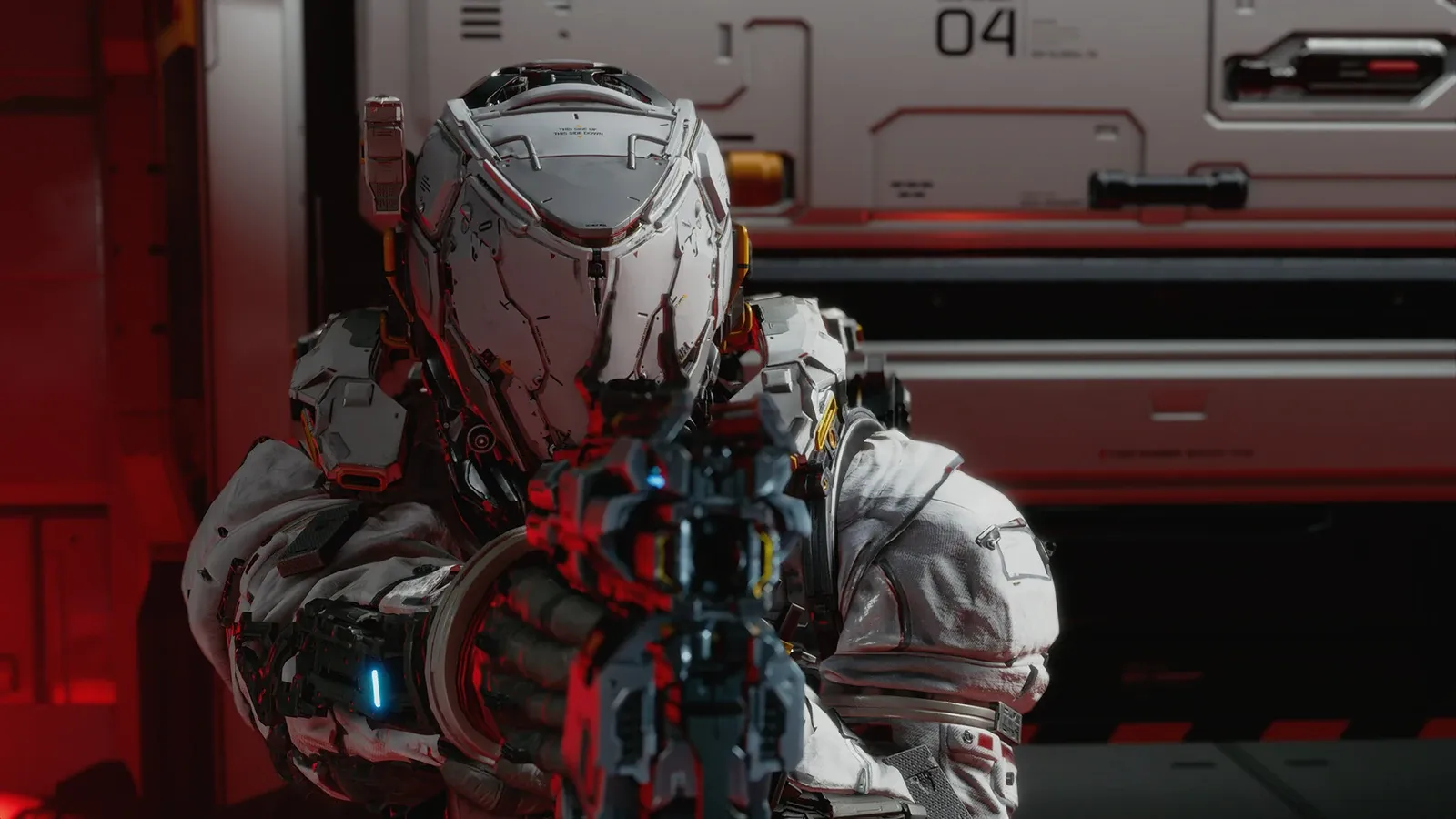
Pragmata is both conventional and old-school, but also daring and experimental where it counts. It mixes third-person sci-fi horror and action with puzzle mechanics reminiscent of Pipe Dream, and somehow the big picture works.
It's also delightfully forceful about being a game first, yet it never feels like we have to sacrifice the narrative for it. There's only the shortest of introductions at the beginning, and everything else reveals itself through dialog and action, which, for the most part, are intertwined beautifully. There is rarely a scenario where the game rejects player agency to drive the story forward.
Instead, the friendship between our protagonists develops organically as Pragmata embraces the game mechanics we once took for granted. There are no long cutscenes, no elaborately pointless RPG-lite additions, and even the shelter modifications are entirely optional. I found myself chasing them because they made Diana happy, and I didn't need to play 100 hours of something for the story to compel me.
Each level, you discover a new power, then learn to use it, and eventually fight a wildly imaginative boss before moving on to the next area. As you gain new powers, you can return to older areas for secrets, collectibles, and challenges. At all times, Pragmata emphasizes fun. I can't emphasize how refreshing it all feels.
Our protagonist is a space mechanic called Hugh. He arrives on the Moon with his crew to fix a routine problem, only to find the robots and machinery have gone haywire. The entire colony appears abandoned, and it's not long before Hugh is the last man standing, alone in a hostile environment with no way home.
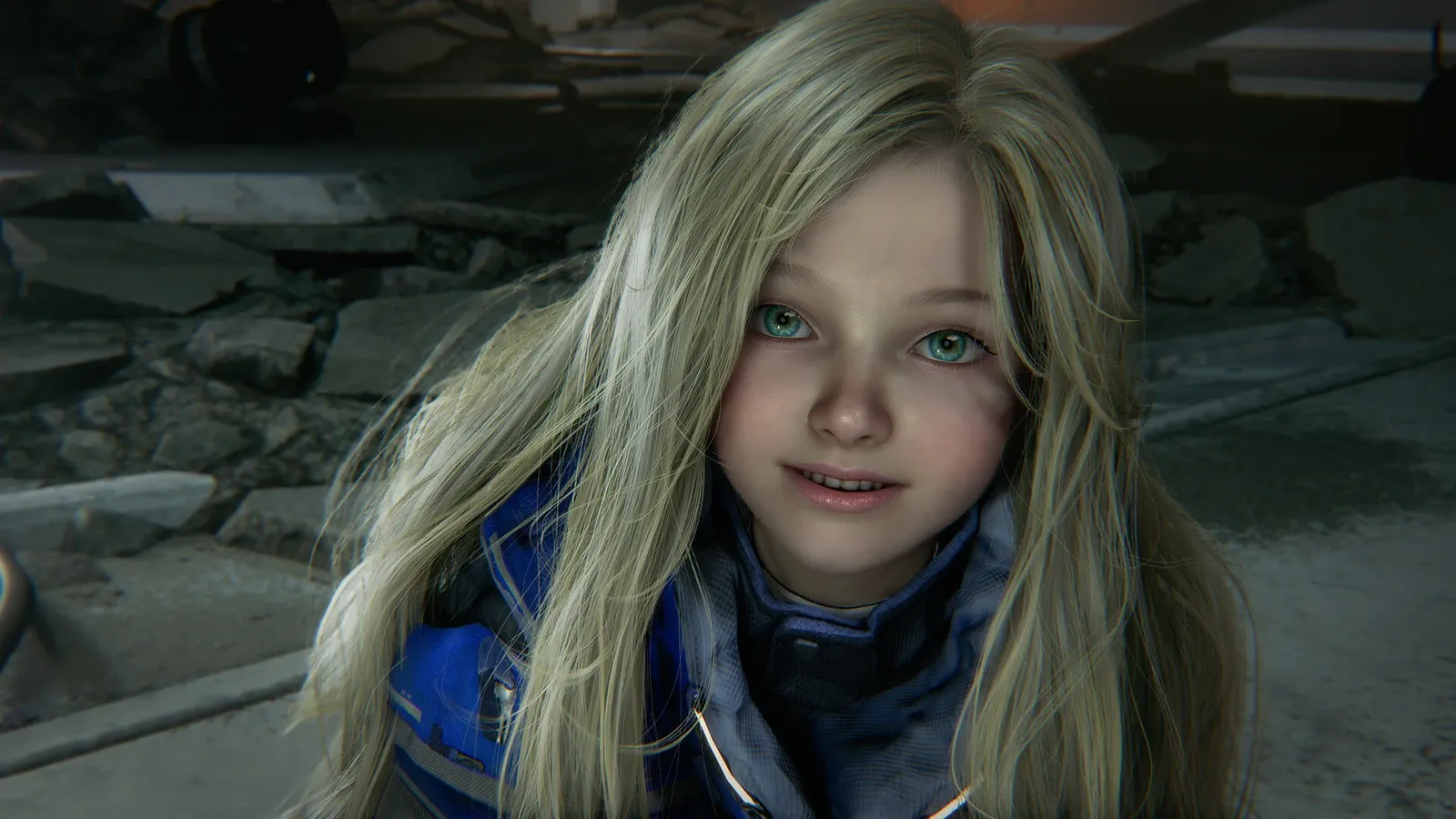
He meets with Diana, a highly sophisticated android in the form of a ten-year-old girl, who joins him on the quest. They make an unlikely pair, not least because the only thing Hugh likes less than kids is androids, but it's not like they've got better options.
It's not a new or even particularly surprising narrative. But you know what, I don't mind. Pragmata is so traditionally sound in both delivery and content that any limitations work for it instead of against it.
For example, it's not hard to guess where the story goes from the moment Hugh reveals, quite unprompted, how he was an orphan and how family can be found in the place you least expect it. But that doesn't make the shared moments between our leading duo any less effective. Especially as Diana spends her downtime in the shelter, a hub for activities and gearing up between missions, drawing adorable pictures of her and Hugh's adventures.
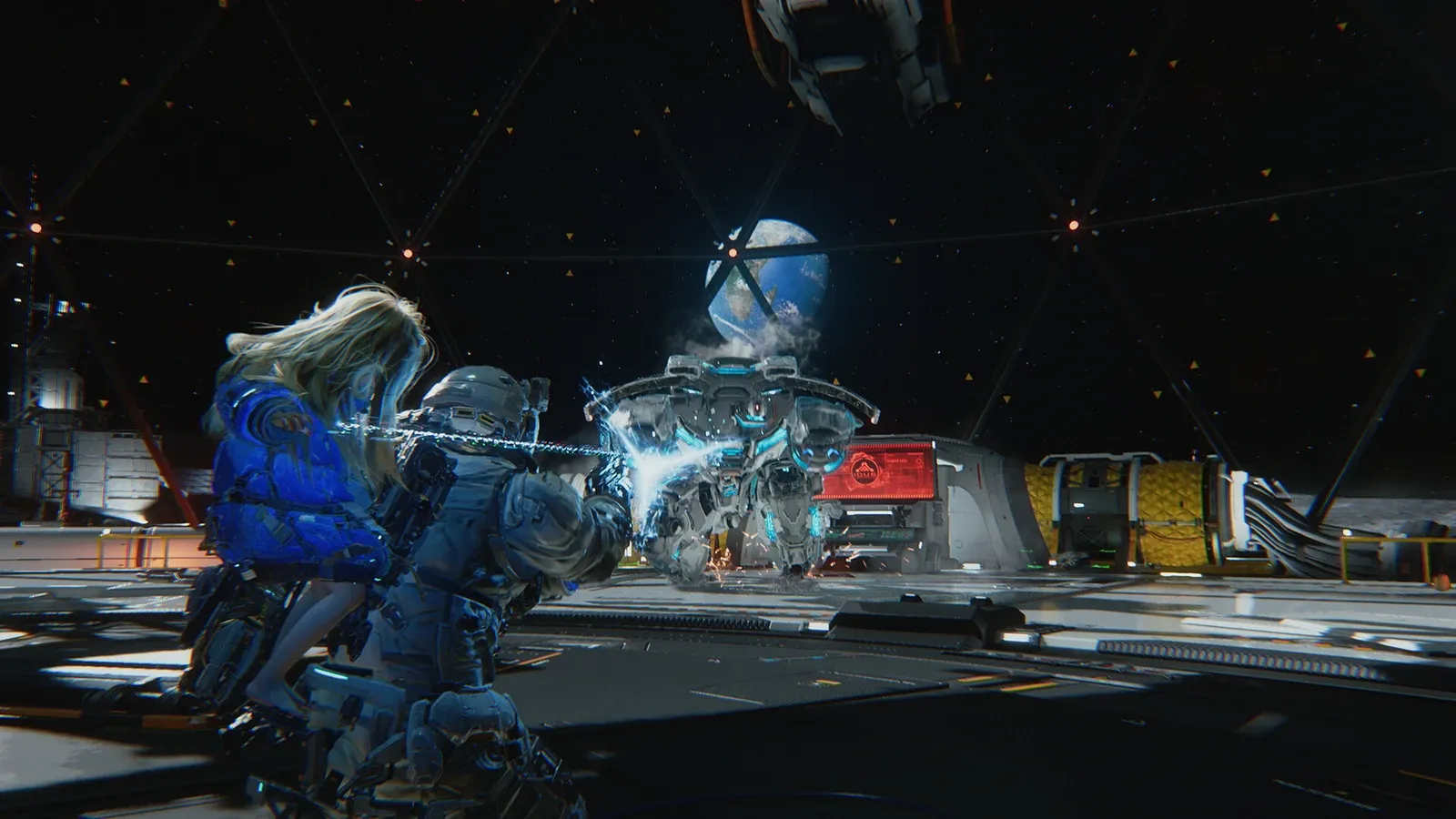
It helps that Pragmata is brilliantly paced with no downtime to speak of. Every level is intricately designed, and there's a constant sense of forward momentum, even when I found myself looking for every single collectible scattered around the vast lunar complex.
Between levels, Hugh and Diana occupy a hub called The Shelter, where Hugh can build playgrounds for the little android in the shape of Random Earth Memories: digital capsules of what life on the blue planet looks like.
There are also training missions, which unlock new skills and hacking abilities, as well as more common vanity items. None of this is mandatory, but rather faith in old school mechanics. Capcom believes that games should act like games instead of films with the occasional playable spot in between. As a result, Pragmata is packed with delightfully loopy additions which I found a joy to collect.
This extends to the main gameplay loop, which is as invigorating as it can be frustrating. Combat against the mechanical guards requires a combination of puzzle solving, quick reflexes, and pacing yourself between limited amounts of ammo. Your main weapon reloads automatically over time, but it's in those moments where Hugh is truly vulnerable, at least at the start.
Enemy shields have to be hacked before Hugh can blast the hell out of the bots themselves. To do this, Hugh must aim at the intended target, while Diana operates a separate Pipe Dream -style mini-game, where she turns off defenses and activates virus nodes to inflict more damage.
At first, the mechanic is difficult to pick up, especially for a neurodivergent gamer like myself. There are no accessibility options on this front, though there is an easy game mode that gives more time to accomplish the task at hand. Still, I wish Capcom had included something to accommodate players with hand-eye coordination issues or physical impairments.
It must be said that after a few hours of gameplay, the hacking mechanic became like second nature. By the end, I rarely missed any opportunities, and additional skills provided much-needed help even in the toughest scenarios.
You can pick up extra weaponry along the way, but each of those guns is limited to a set amount of ammo, after which the additional gear falls apart. Luckily, new weapons aren't far off, and Hugh's arsenal grows quite rapidly as you progress through the facility.
But some enemies are more resistant to certain types of ammo, others won't take damage unless you knock them down, while a few require more intricate measures altogether. Pragmata is at its funnest when you start to learn how each group of enemies works, and how you can arm yourself most efficiently against the biggest hurdles.
By the later stages, I found myself effortlessly mowing down huge swarms of enemies that had troubled me at the start. Because Pragmata isn't a long game (the narrative is only around 10-12 hours), there is always a sense that every session rewards you with something new.
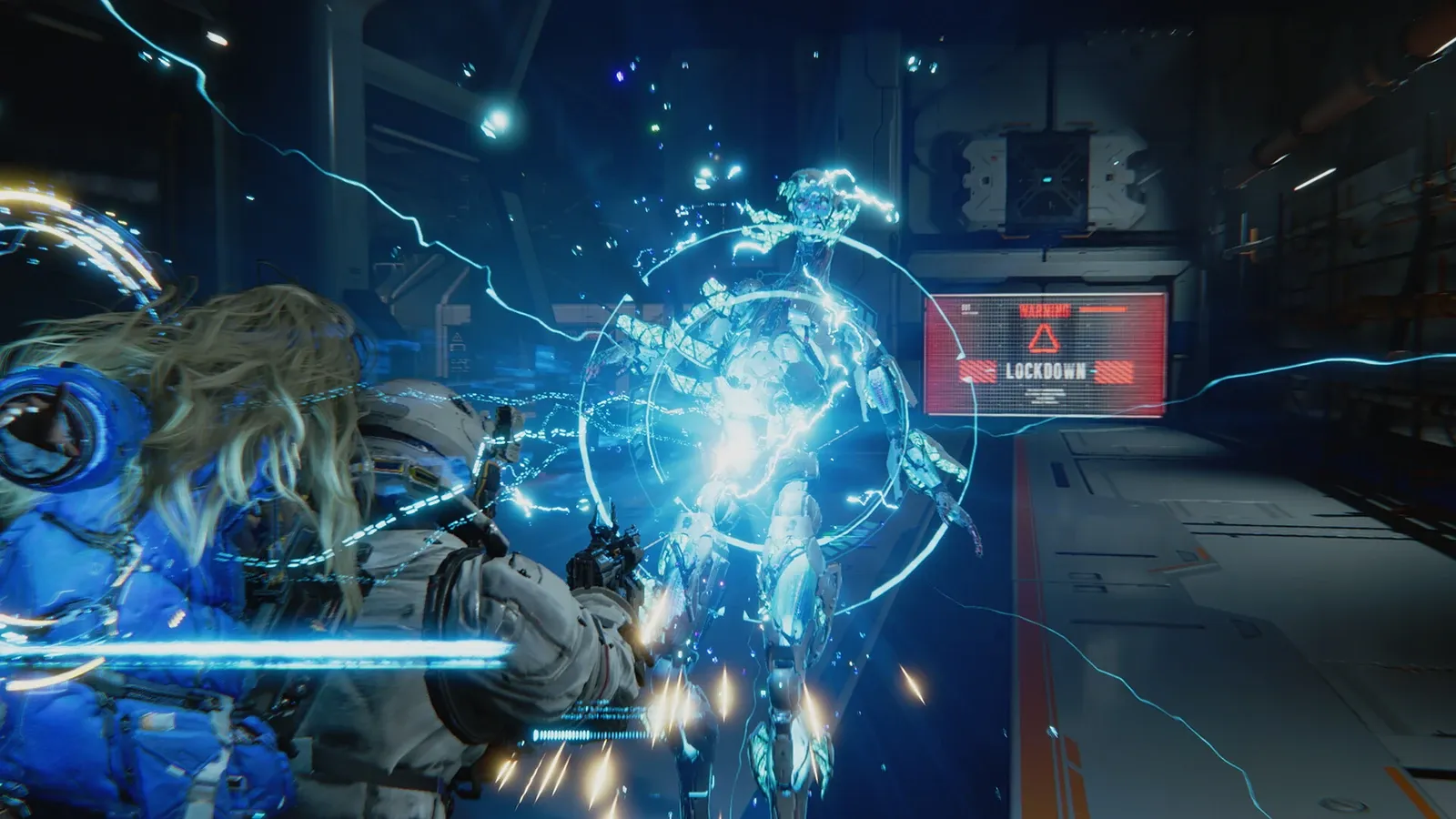
Pragmata is also a technical marvel, which runs remarkably well on the PlayStation 5 Pro, which I used for the review. At no point did I see any dips in frame rates, and the game looks and sounds spectacular.
Voice acting is fantastic, enemy designs have brilliant audio cues to remind you which ones you're fighting, and the big boss battles are immense in the best kind of way.
At its best, Pragmata feels like a continuation of every great Capcom game of the past three decades. Something that takes the lessons they've learned from putting out generational bangers, now all encapsulated into a fantastic new title that isn't a re-release or rehash of something old.
When my review copy arrived, I sat down for a quick look around 9 PM, just to make some notes about settings and an early feel of the tone. Around 3 AM, I realized I was still playing because Pragmata had given me no reasons to look at the clock. The game gives you a character and a setting, and lets you figure out the rest. It is immensely addictive.
I hope Pragmata is a gargantuan hit. We need more games like it, and I genuinely believe titles like this can save the industry.


