

Independence & Ethics
Region Free is reader-supported and maintains full editorial independence. For more on my scoring and standards, see the Review Guide.
The essentials
The Samsung S26 Ultra is a familiar device.
It looks the same, feels the same, and, by all accounts, does most things the same as last year's model, the S25 Ultra.
But if you're buying a new phone every year, you're not the target audience to begin with, and I don't think you'd be fully satisfied with any device. At least not for long.
That's because most people do not, and should not, upgrade their phones that often. Research shows the average lifespan of a mobile device is at least 4 years. After the incredible decade between 2010 and 2020, where it felt like phones made gargantuan leaps every release cycle, we've settled into a world of iteration. Which, quite frankly, I'm OK with. Especially if it brings the kind of consistency that Android lacked for the longest time.
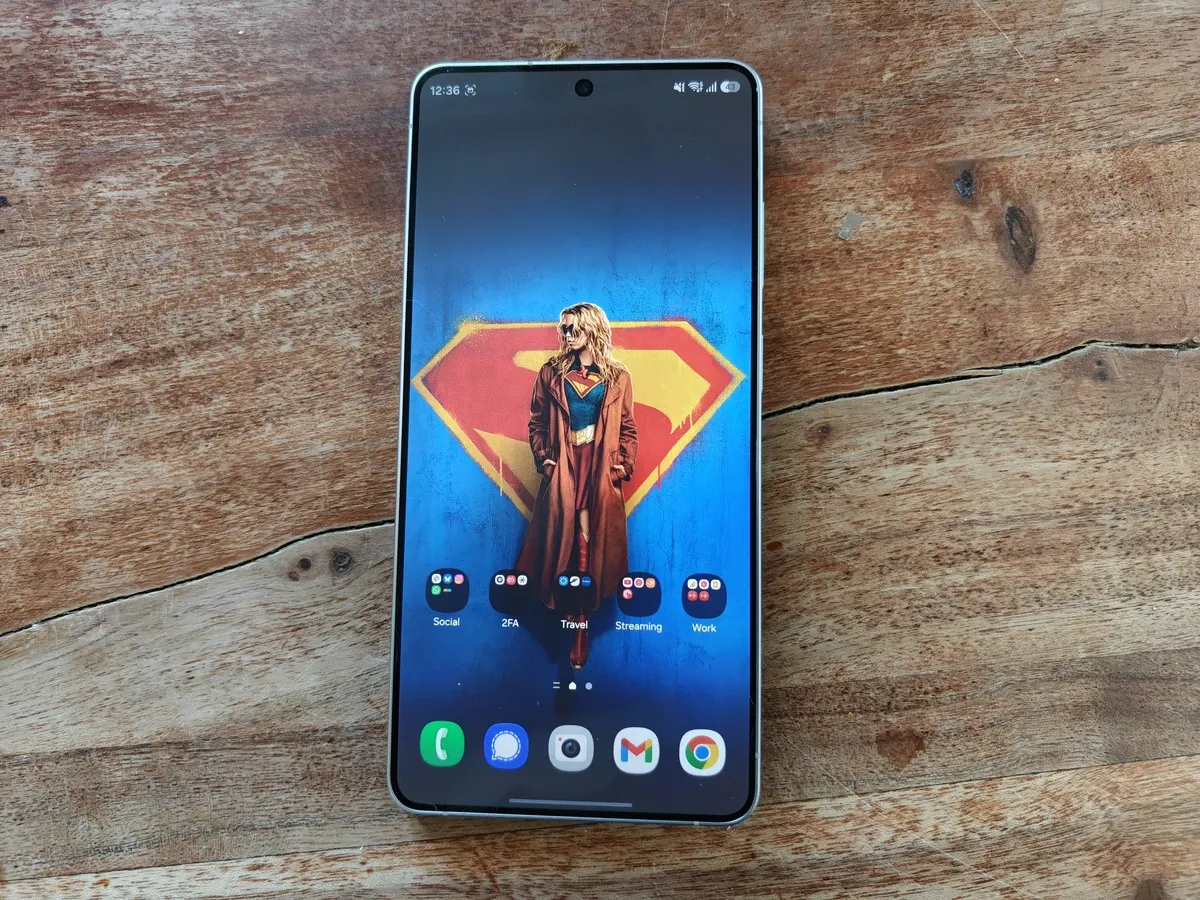
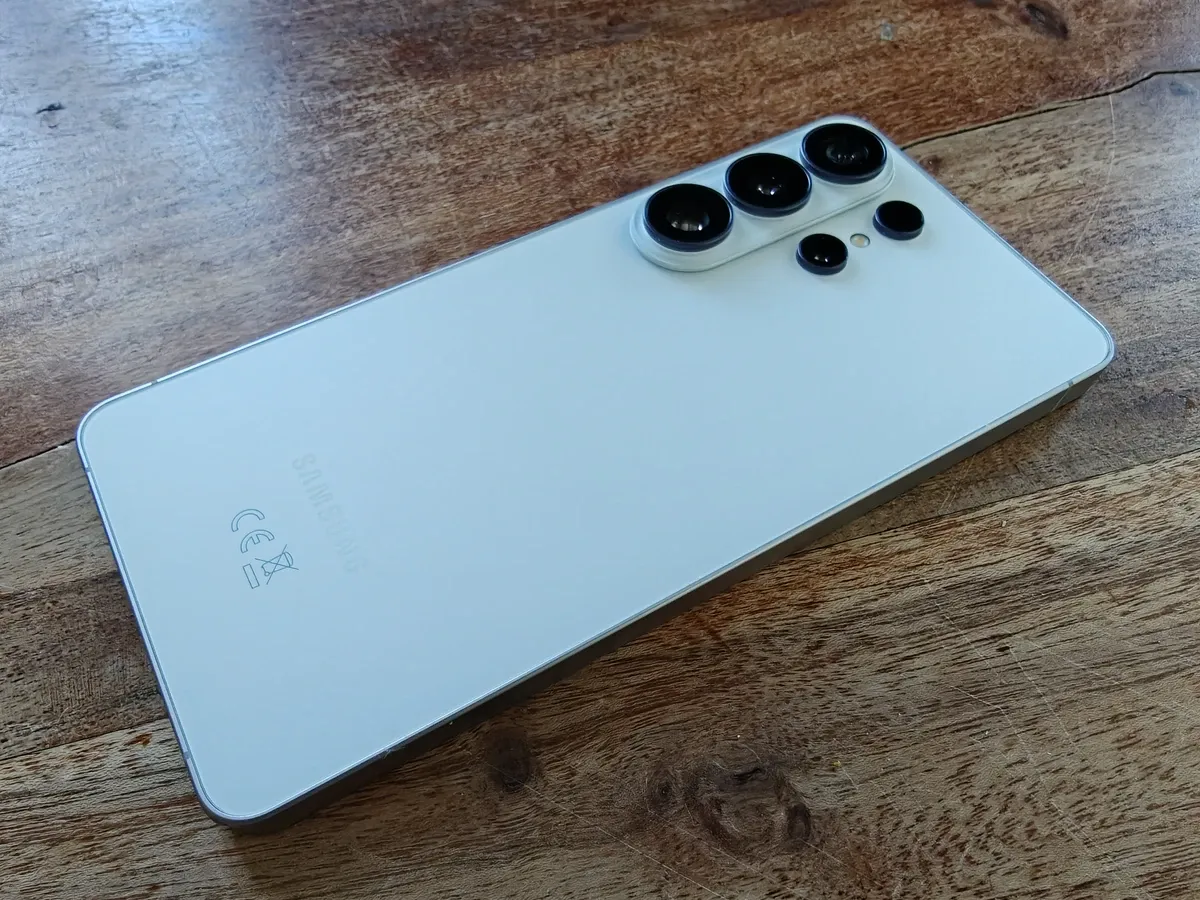
The white version of the phone is a stunner.
The Samsung Galaxy S26 Ultra embraces that iteration by refining what works, fixing what didn't, and even taking a step back to familiar ground in other areas. If you already have an S24 Ultra or beyond, there is no reason to update. But anyone coming from anything older will see notable improvements that make this the best mainstream Android device available.
If you want a device that is powerful, reliable, and features a robust set of camera features that work in nearly every scenario, you won't go wrong with the Galaxy S26 Ultra. It isn't exciting in the way phones used to be. Instead, it's a reliable workhorse; a mature and sensible beast that gets the job, any job, done so effectively you don't have to think twice about it.
For those who know what they want, that's the dream.
[The Galaxy S26 Ultra is] the best mainstream Android device available.
What's new in the Samsung Galaxy S26 Ultra?
The changes from one generation to the next are small, though some are very welcome.
The S26 Ultra ditches the titanium frame from the S25 Ultra in favor of a lighter aluminum one. The newer model is four grams lighter than last year, and while it doesn't sound noticeable on paper, it does feel that way in the hand. Aluminium is also softer to the touch, and the white model received for review has a nice texture that did not trigger any unwelcome receptors for me.
Continuing with ergonomics, the S26 Ultra has more rounded corners than last year's model, which makes it look more like other flagship models, but it's also easier to grip and use one-handed. Granted, this is still not a true one-handed device, and most actions require a firm grip, lest you want to risk dropping the expensive brick.
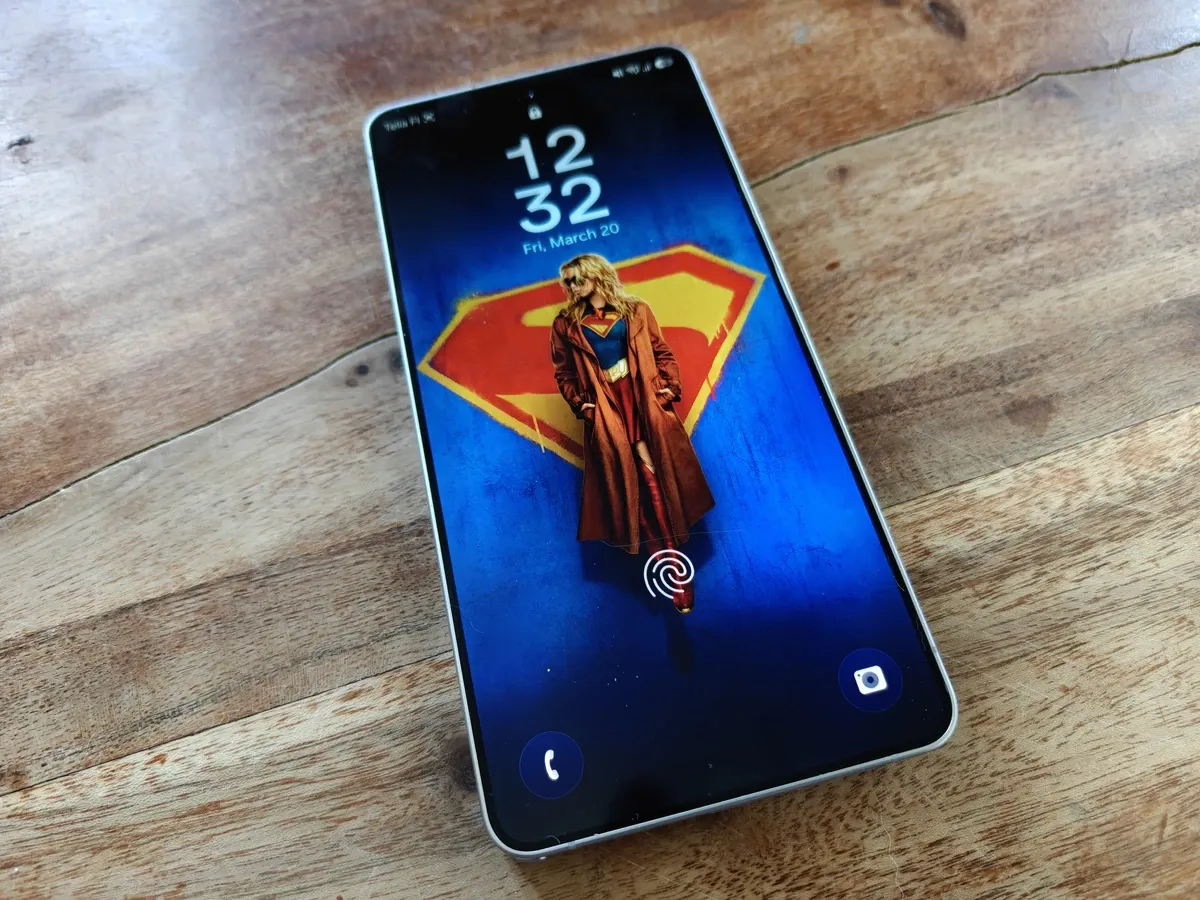
The screen is a familiar 6.9-inch OLED panel. It features a 1440 x 3120px resolution and a 120Hz refresh rate. The S26 Ultra supports HDR10+ content, but not Dolby Vision. It is, by all accounts, a beautiful, bright, and vibrant screen, even in direct sunlight.
Its biggest downsides are the 8-bit panel and the lack of high-frequency PWM dimming. The latter, in particular, is notable for people like myself, who have visual impairments and are susceptible to headaches with certain screens.
There is also a new privacy screen feature, which allows you to dim the entire screen or portions of select apps in a way that nobody can spy on you in public. Granted, they can still see directly over your shoulder, but at that point, you'll probably have other questions relating to personal space as well.
In daily use, I found the privacy screen usable and often surprisingly calming on an emotional level. I set it to work with banking and email apps, and the idea that nobody could look at what I was doing proved to ease the burden of quickly handling important business on the go. It's a small, but notable quality of life upgrade I didn't know I needed.
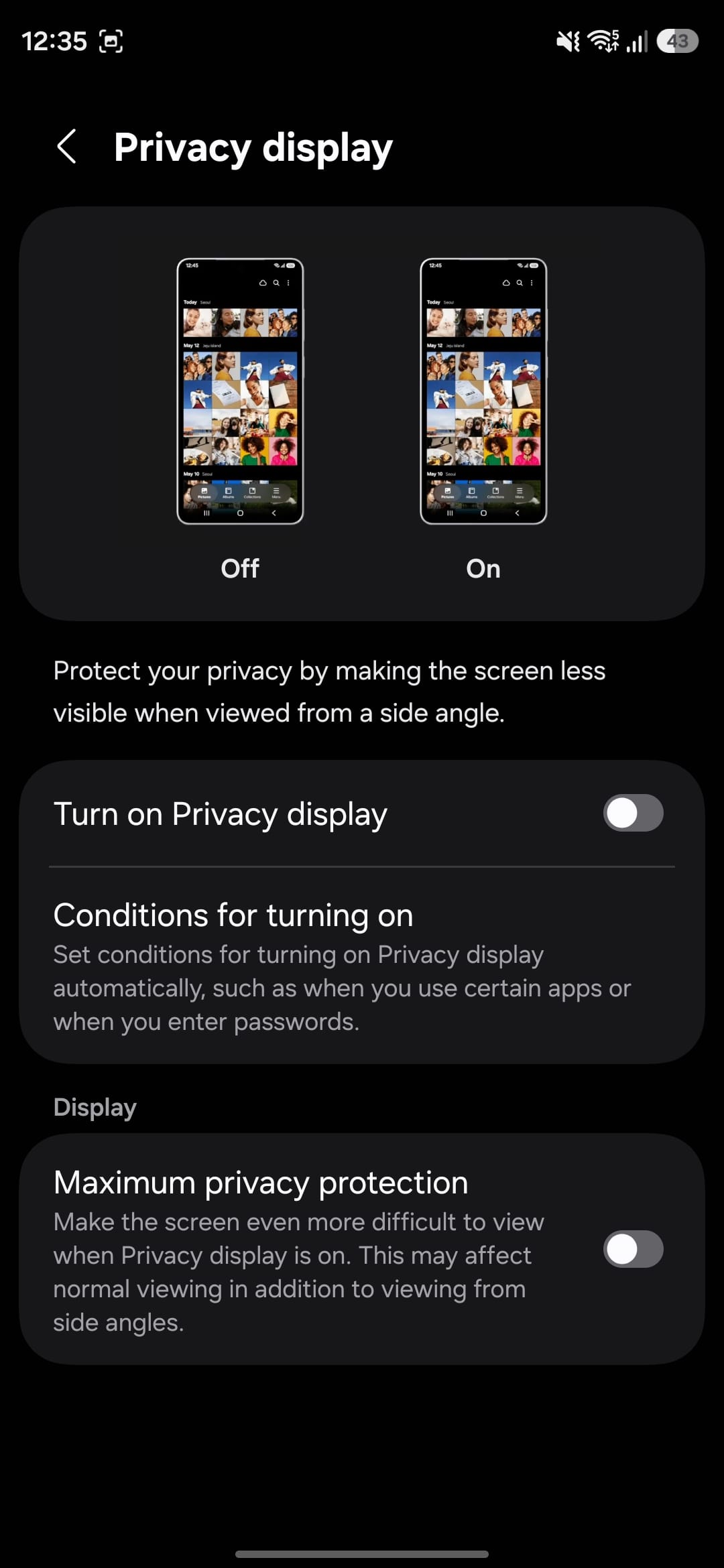
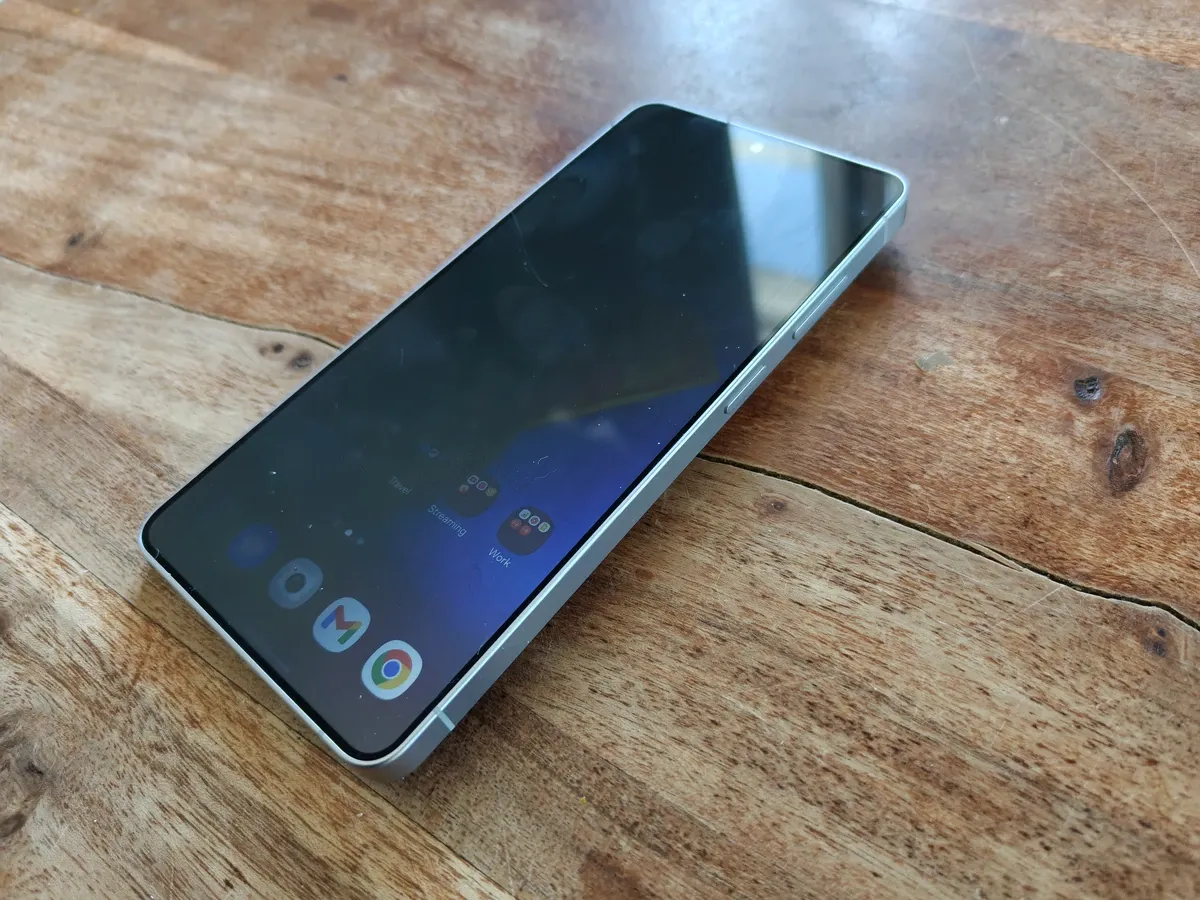
The privacy panel dims the screen at an angle, and the results are usually great.
The S26 Ultra supports Qi2 25W wireless charging, but still does not have built-in magnets. If you use standing wireless chargers or equivalent products, you will need a magnetic case accessory.
The cameras are also marginally updated, and remain some of the best you'll find on a mainstream device. Yes, Chinese models like Huawei, OPPO, and Vivo offer more robust options, but those are enthusiast models at present. For anyone who values convenience and brand recognition, the Samsung Galaxy S26 Ultra still has the most compelling camera system on any Android device.
The S-Pen is still here, but it continues to fade into obscurity. According to Samsung, fewer people use the functionality with each passing year, so it makes business sense. After all, why pack in a feature that takes away space you could instead use for, say, a bigger battery? This year, the S-Pen features a slightly askew build, which means that if you put it in "wrong," you'll end up with a bump in the frame. It's a weird choice, especially as it makes using the pen just a little bit more fiddly than before.
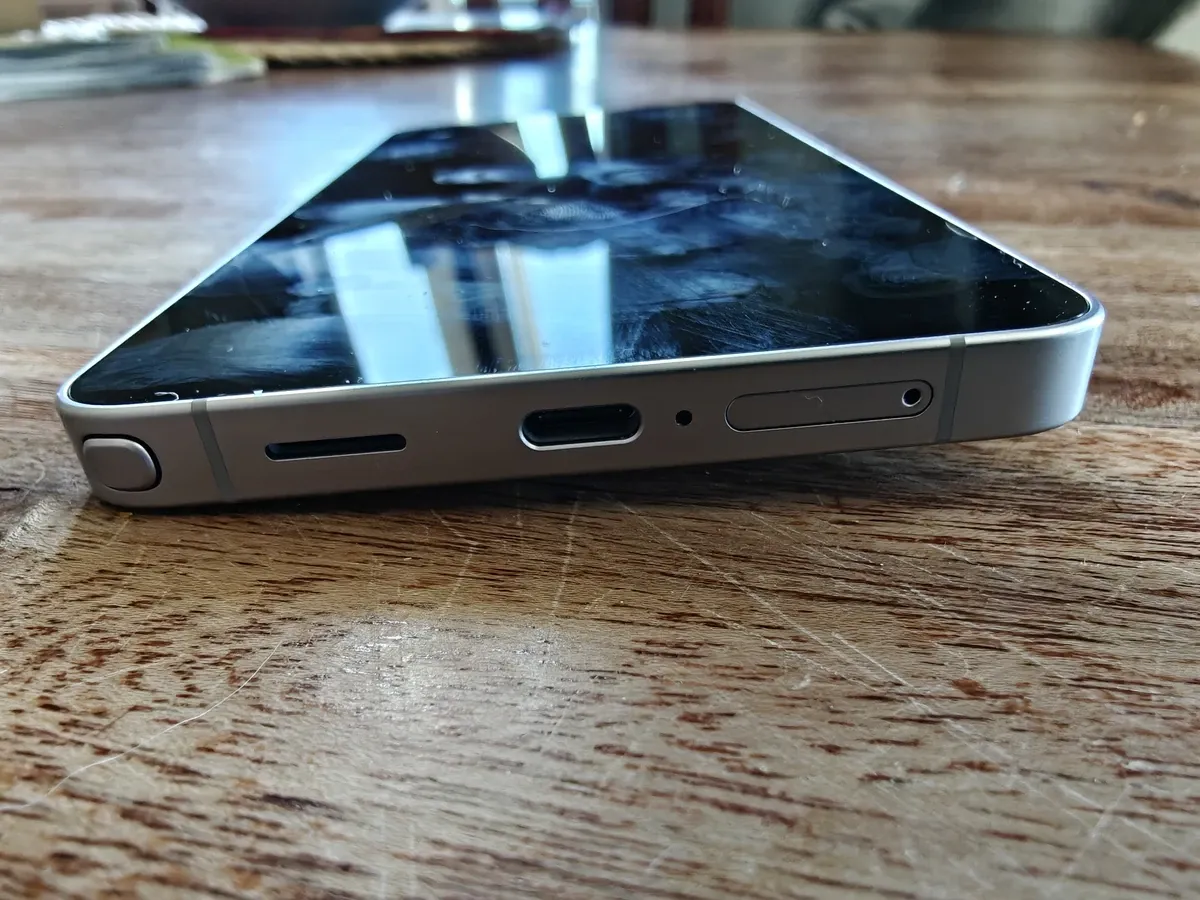
Everything else remains tried and tested. The S26 Ultra is still water and dust resistant with an IP68 rating. It features a Qualcomm Snapdragon 8 Elite Gen 5 processor optimized for Samsung devices, and up to 16GB of RAM (though only in the 1TB storage configuration). The Adreno 840 GPU is an update of last year's 830, with minor boosts to power that matter only to spec-hunters.
The processor is still a beast, and likely the best you'll find on any Android device. During my test period, I shot 4K video, edited it, and uploaded it to streaming services entirely through the S26 Ultra. At no point did the device stutter or fail. Instead, it handled the material so fast and efficiently that it put my previously used Windows laptop to shame.
I'm not much of a mobile gamer, but in quick bursts of testing, the S26 Ultra handled everything I could throw at it. The notoriously demanding Wuthering Waves ran beautifully even on the highest settings, and my usual go-to favorite, Vampire Survivors, had no issues even when pushed to the farthest stretches of late-game insanity.
Storage speed is also slightly faster, with UFS 4. X internal storage starting at 256GB. Sadly, there is no SD card slot, even as lesser-priced competitors offer one.
For anyone who values convenience and brand recognition, the Samsung Galaxy S26 Ultra still has the most compelling camera system on any Android device.
How's the software?
Looking back, Samsung has made incredible strides in software. Today, their OneUI is arguably one of the best and most comprehensive platforms you'll find in the Android ecosystem. While competitors like Honor and OnePlus are hugely compelling, there's no question that Samsung's history and considerable budget allow for a more polished experience all around.
The Galaxy S26 Ultra delivers 7 major OS updates and comes loaded with Android 16 right out of the box. That means, in theory, your device should be just fine well into the 2030's if you buy one today. That kind of longevity is incredibly tantalizing, and easily one of the biggest draws for people like myself, who value consistency and support above most other considerations.
The AI of it all
Sadly, or less so depending on your outlook, Samsung still pushes hard on AI integration. The S26 Ultra comes with no less than 3(!) AI platforms crammed into the system: Gemini, Perplexity, and Bixby. The latter is the least useful of the bunch, though, it must be said, Bixby has improved over the years. But it's playing catch-up in a field that's constantly evolving, and, like Siri, it just feels too little, too late.
The most notable addition is Samsung's own "Now Nudge," which competes directly with Google's Magic Cue, found on the Pixel devices. The idea is to provide an AI assistant that manages your daily tasks, handles notifications, and even suggests things while typing on a Samsung keyboard. If, like me, you use anything else, you won't get the full benefit of the AI tools.
But that benefit doesn't seem enticing enough to switch fully over to everything Samsung. In fact, most of these AI helpers feel like over-designed relics compared to Google Now, which pioneered all of this stuff over a decade ago. It wasn't called AI then, but it did everything these more power-hungry things attempt, and it did it better.
To Samsung's credit, the S26 Ultra offers robust control over the AI integration. If you want, you can theoretically turn everything off and not think about them again. In practice, well, there are still questions on how often Google sends back data that it doesn't prompt users on. Those still require a more thorough investigation.
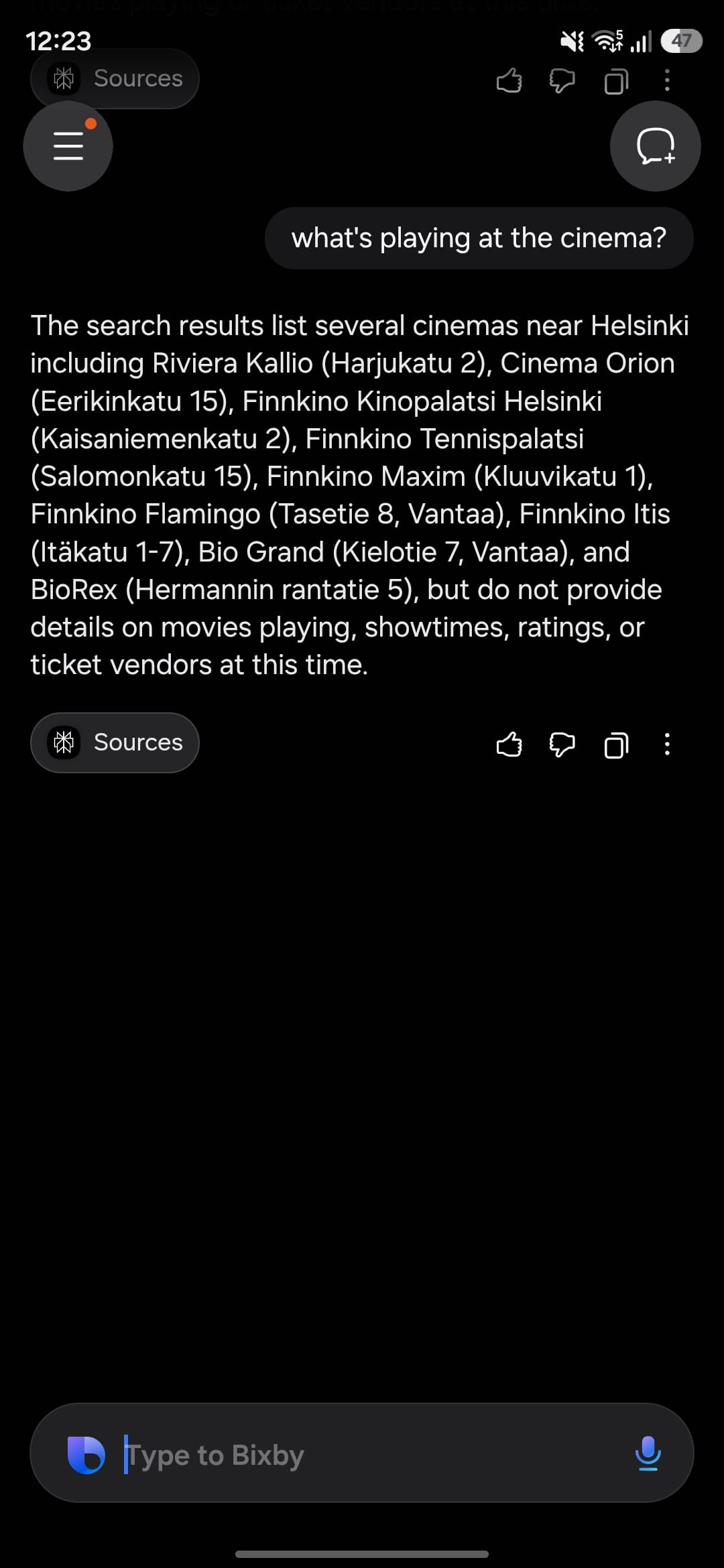
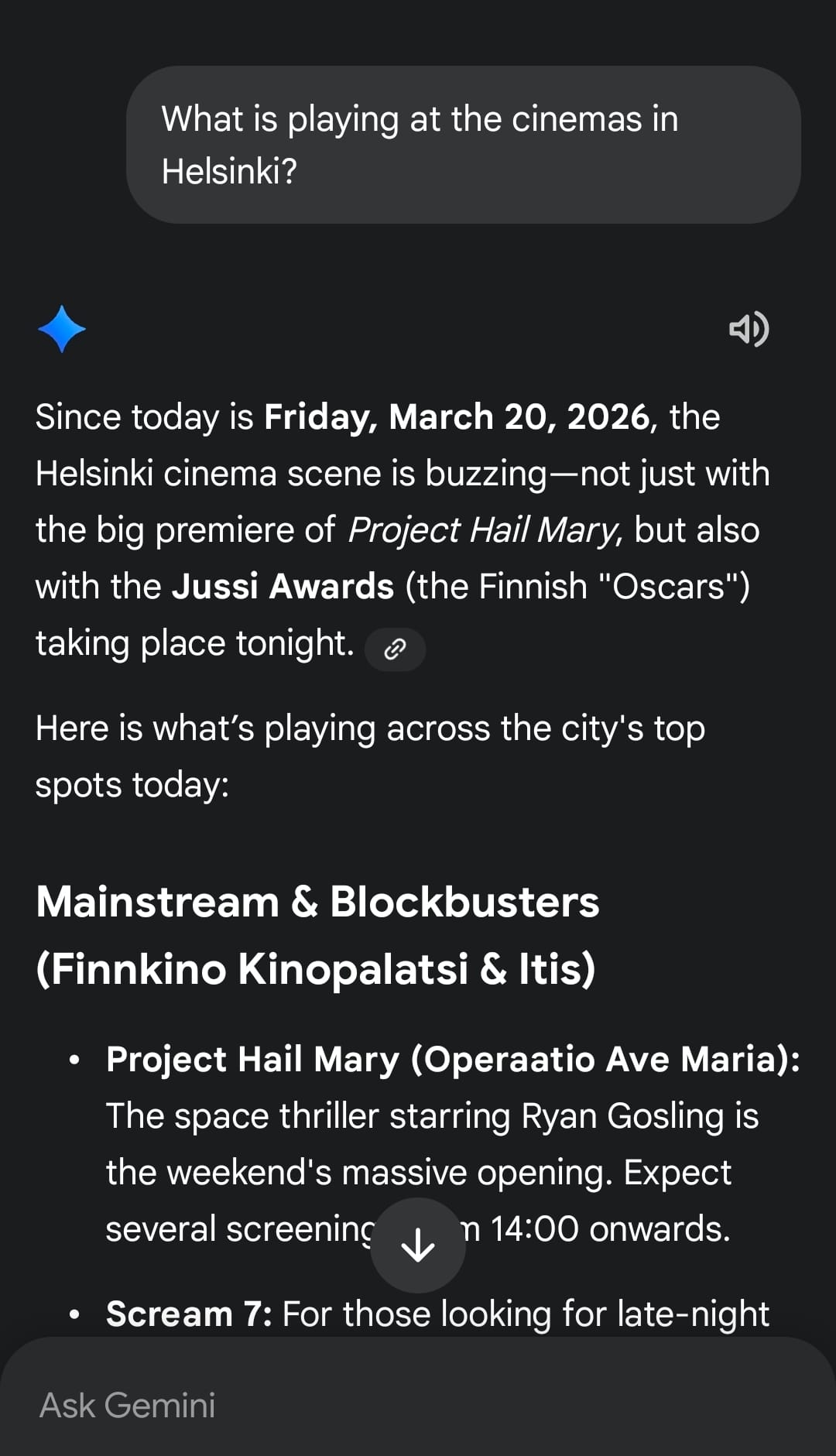
Poor Bixby just can't keep up with Gemini.
Productivity tools are the best on Android
As for productivity, it's here that LLM tools really shine, and I wish Samsung would focus on them above morally questionable photo editing gimmicks. Samsung Notes and Voice are still practically peerless when it comes to dictation and transcription. As a writer, I actively use both for on-the-fly ideas, interviews, and even voice-over when I need to create a sample in a hurry. No other device, not even my beloved OnePlus 15, delivers the scale and quality that Samsung does in this regard.
For example, during my two-week test period, I used the Voice Recorder in a crowded cafe to capture an unexpected interview. The background noise was deafening and chaotic, but I had left my regularly used DJI Mic 3 at home, so the S26 Ultra had to work as my main device. When I got home, I was surprised the recording itself wasn't just usable and often pristine, but also that Samsung had transcribed everything with near-perfect accuracy.
Yes, it still stumbles with colloquialisms, and I'm not thrilled at how it tries to correct things based on a strict algorithm, but this kind of convenience is essential to my workload. It's the kind of use for AI-models that I can approve because they're the next logical step in function rather than taking away from artists.
On top of that, Samsung allows for these models to run entirely on-device, which means less traffic for data centers and better privacy for those who value it.
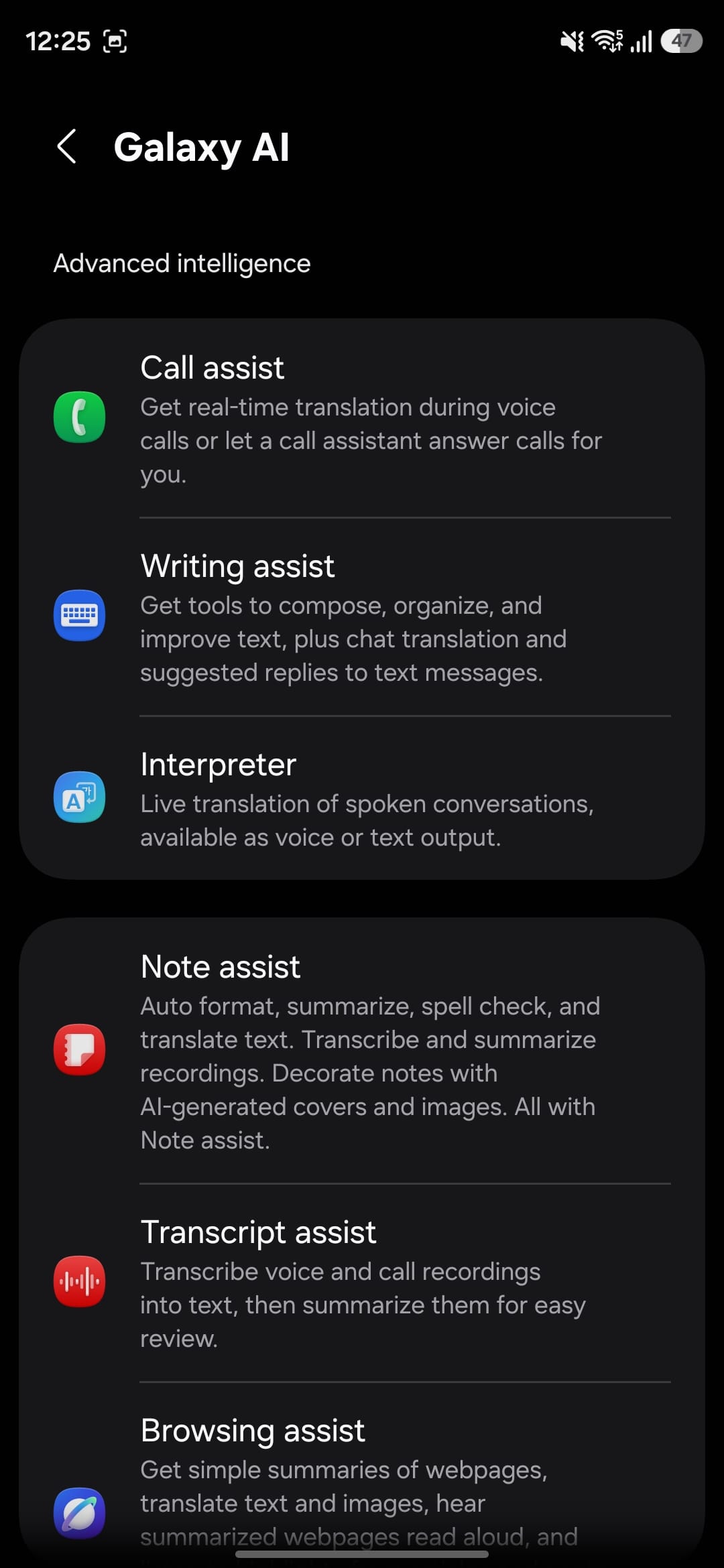
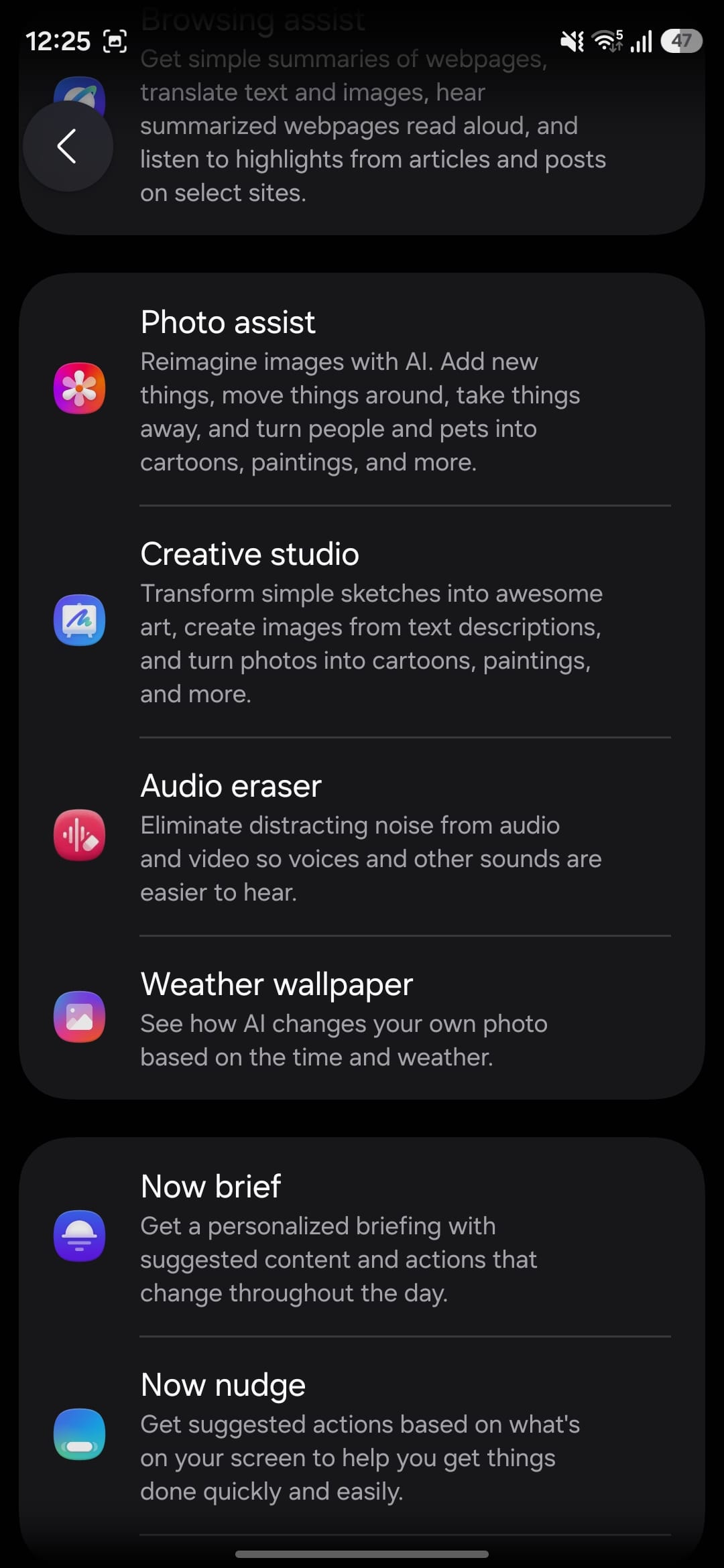
The AI settings are robust and extensive.
Other elements, like the scan and edit functions, remain just as brilliant as before. The stellar camera array snaps clear pictures, which the AI-assisted tools scan and adapt to any use within seconds. To this day, I can't help but marvel at how easily we take these features for granted. At the risk of sounding old, I remember the efforts it took to sign NDA forms and contracts back in the mid-2000s. Today, I can snap any contract, sign it, and export it as a fully functional PDF within seconds.
This is the kind of thoughtful, all-encompassing feature set that raises Samsung's offering above the rest. As an autistic tech fan, I value anything that helps me avoid overstimulation. If a process has too many steps, chances are I will drop it rather than spending ages to figure it out. Especially in a frantic situation or on the move.
Working on the S26 Ultra these past few weeks, I've found that I spend less time worrying about getting things done and simply doing them. That sounds like an obvious thing, but consider how often you actually work on your phone.
For me, the S26 Ultra has become an extension of my laptop and production pipeline. I've even used it for typing up a review using an external keyboard at one point, simply because the Bluetooth functionality is superb and the screen is big enough to accommodate it.
This is the kind of thoughtful, all-encompassing feature set that raises Samsung's offering above the rest. As an autistic tech fan, I value anything that helps me avoid overstimulation.
The cameras are reliable and produce great images
The S26 Ultra doesn't reinvent its camera system. If anything, it scales back on some levels, and there is even more emphasis on AI processing in regular images, which is a bit of a bummer for what is ostensibly a pro-level device.
If you're looking for an Android phone with reliable image quality regardless of the situation, chances are the S26 Ultra is the best pick.
In full auto mode, the S26 Ultra captures clear, sharp, and colorful pictures. For most uses, they're perfect for social media and sharing. That should be enough for the vast majority of users.
In the past, the Ultra on the S-series meant the biggest, baddest, and wildest camera out there. You could photograph the moon, Samsung would boast. Today, these tricks are commonplace, and you could never actually photograph the moon on your phone alone. It was always AI-trickery. But you could get a cool approximation.

So what does the Ultra mean today? For me, it means reliability. It means that I can snap a shot, edit it on the device, even changing the entire nature of the original piece if I wanted to, and still get a remarkable snap even if the exact situation was anything but.
It does raise questions about the nature of photography, and there are AI features I find morally dubious. Samsung's more questionable features allow for AI-generated changes to wardrobe, background, and even objects within the image that are entirely fabricated. While technically impressive, it's chasing after the future without thinking of the consequences, and I wish they would roll back sooner rather than later.
Close-up photography is still good, but with a caveat compared to previous setups. My S23 Ultra (which died just before I got my review unit for the S26 Ultra) had one of the best close-up snappers I've ever used. The S26 Ultra, for whatever reason, requires me to hold the camera twice as far from the subject to capture a similar image. It's a weird and unwelcome change, even if the image quality is still fine.



Furry creatures provide excellent subjects for fast-moving portraits.
The AI-assistant also struggles with moving subjects, and it didn't have much fun trying to decipher my very fluffy cat in portrait mode, leading to a surprisingly soft image all around.
Selfies and product images are all crisp and clean, and I have very little to complain about in that regard.




The periscope zoom, from top left to bottom right 1x to 100x magnification, is still impressive.
While there are some general issues with the cameras, and I still wish Samsung would scale back its emphasis on digital manipulation over hardware, there's no question that the S26 Ultra has a great camera. It does everything you'd need, and it does it with consistent reliability. At every point during my testing period, I knew I could grab B-roll or Vlog footage with the S26 Ultra and walk away happy without thinking twice.
That kind of peace of mind makes it a perfect productivity and content creation partner.
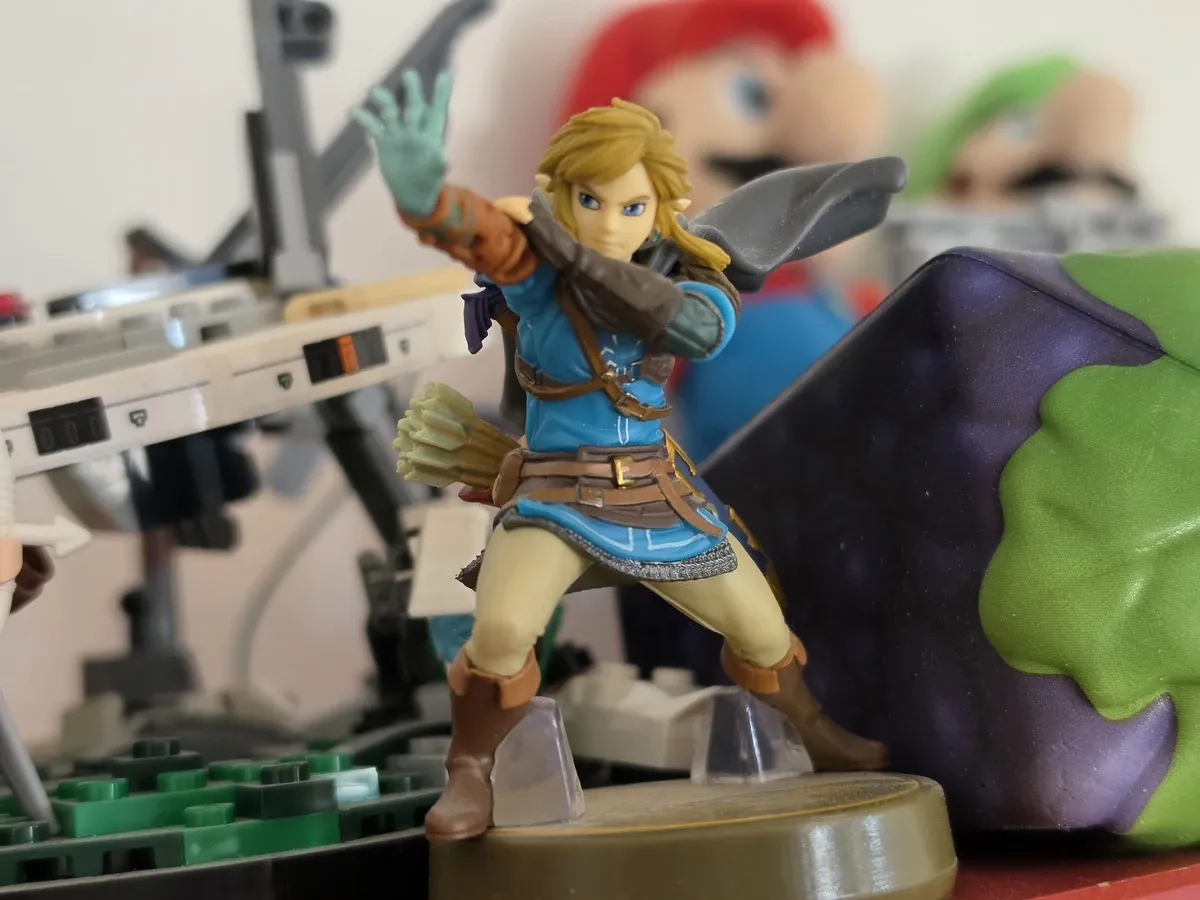

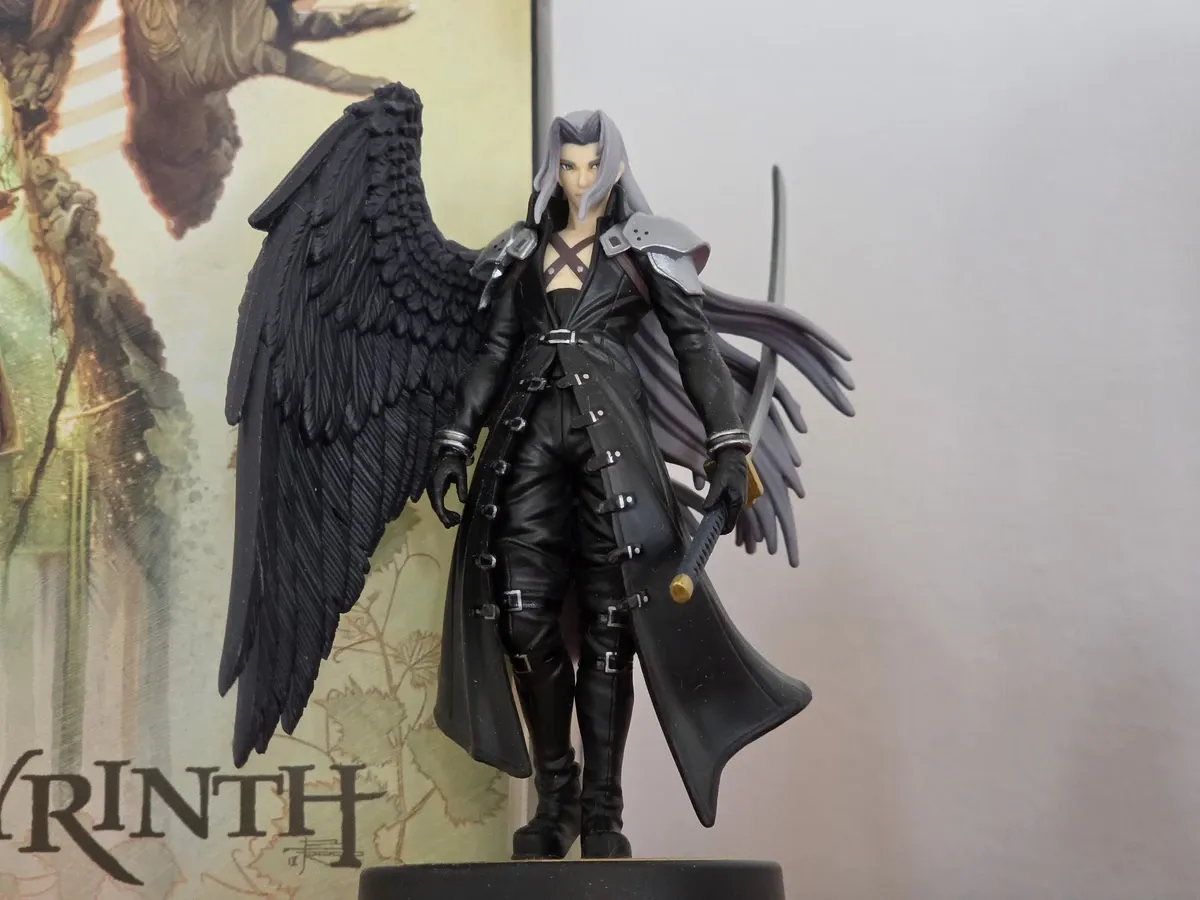
Close-up shots, when you find the right distance, are crisp and clear.
Overall and conclusion
The S26 Ultra feels like an extension of my thought process. For a neurodivergent tech fan and content creator, that's a huge compliment.
During my test period, I've consistently found myself using it as an accessibility helper, productivity tool, and a daily collector of memories. Yes, that's basically what every phone should do, and some do very, very well. I've previously exalted the virtues of the OnePlus 15 for many of the same things.
But the S26 Ultra takes these ideas and, as it always has, expands upon them in ways that so far only Samsung has been able to. On top of that, it delivers impeccable battery life (and finally great charging speeds), and the still-hanging-on S-Pen is vital to the things I need from a daily driver.
Above all, it's reliable. I know that it won't let me down while at work. I can see it as an indispensable utility at festivals, where my days extend into 13-hour marathons that mix documents, notes, video and audio recording, and social media management. Few other devices outside of folding phones can promise such capability with so few compromises.
The S26 Ultra delivers on that promise and then some.


