



Last week, I spent three hours with Stranger Than Heaven, the latest from Ryu Ga Gotoku Studio, best known for the Like a Dragon series.
To frame things: I'm a massive fan of the Like a Dragon games. They mean the world to me, and I've played each one from start to finish numerous times over the last 20 years. I even enjoyed the Prime Video adaptation, and the weird Japan-only zombie-shooter release. So, in a way, I'm already a prime candidate for whatever RGG Studio makes.
But when I played the first demo of Stranger Than Heaven at Gamescom earlier this fall, I was a little disappointed. The convoluted combat mechanics felt unfinished, and the presentation included nothing but boss encounters instead of the vast semi-open world I hoped to see.
Luckily, this time around, things were very different, and RGG Studio came into the presentation with way more confidence than before. The demo showcased three time periods and two cities from the vast 50-year epic, and it gave the first proper glimpse into the new showman mini-game, where you gather inspiration, talent, and compositions for epic stage performances around Japan.
Here's everything I learned about the game during my time with it.
What is Stranger Than Heaven about?
Stranger Than Heaven is an epic character study that covers 50 years of Japanese history. It grows from the cinema of grand maestros like Sergio Leone, Francis Ford Coppola, Kinji Fukasaku, and Tadashi Sawashima.
If you want a shorthand for the visual and narrative stylings I saw in the demo, check out Once Upon a Time in America, Battles Without Honor and Humanity, the arrival scene at Ellis Island from The Godfather Part 2, and the grand tapestry of Life of Hishakaku.
The story kicks off on the streets of San Francisco, where Makoto Daito (Yu Shirota) escapes the corrupt police from trumped-up murder charges. He lands on the ship Arcadia, captained by a mysterious man called Orpheus (Snoop Dogg), who takes Daito under his wing. Along with Yu Shinjo (Dean Fujioka), another orphan of two worlds, they travel to Japan, where Stranger Than Heaven unfolds over the next five decades.
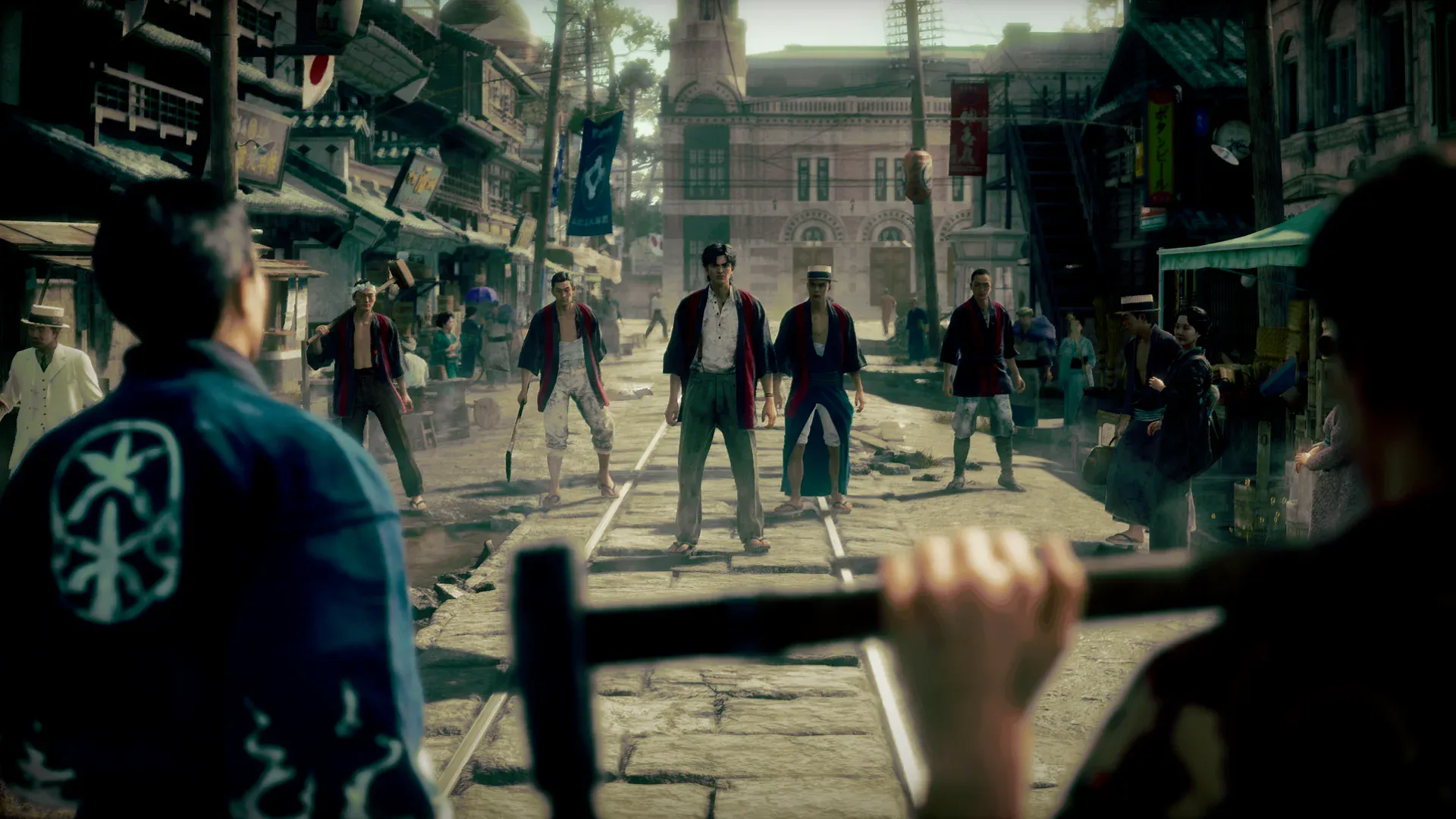
In the demo Ryu Ga Gotoku Studio let me play, I got to see the first three time periods and cities that make up the early narrative of Stranger Than Heaven. These include Kokura in 1915, Kure in 1929, and Osaka in 1943. You can read more about those in a bit.
What really struck me about the story is how culturally informed and all-encompassing it is. The Like a Dragon series is very Japanese, right down to the films and pop culture it references, and that's part of its charm. Even as the series has made its way to Hawaii in later parts, it's always been a product of its origins.
Stranger Than Heaven is a completely different kind of beast. For one, all the characters speak in their own language, switching between English and Japanese at will, which results in broken conversations and missed connections, just as in real life. Others, like Orpheus, don't speak Japanese at all. As a result, they're outsiders in more ways than one.
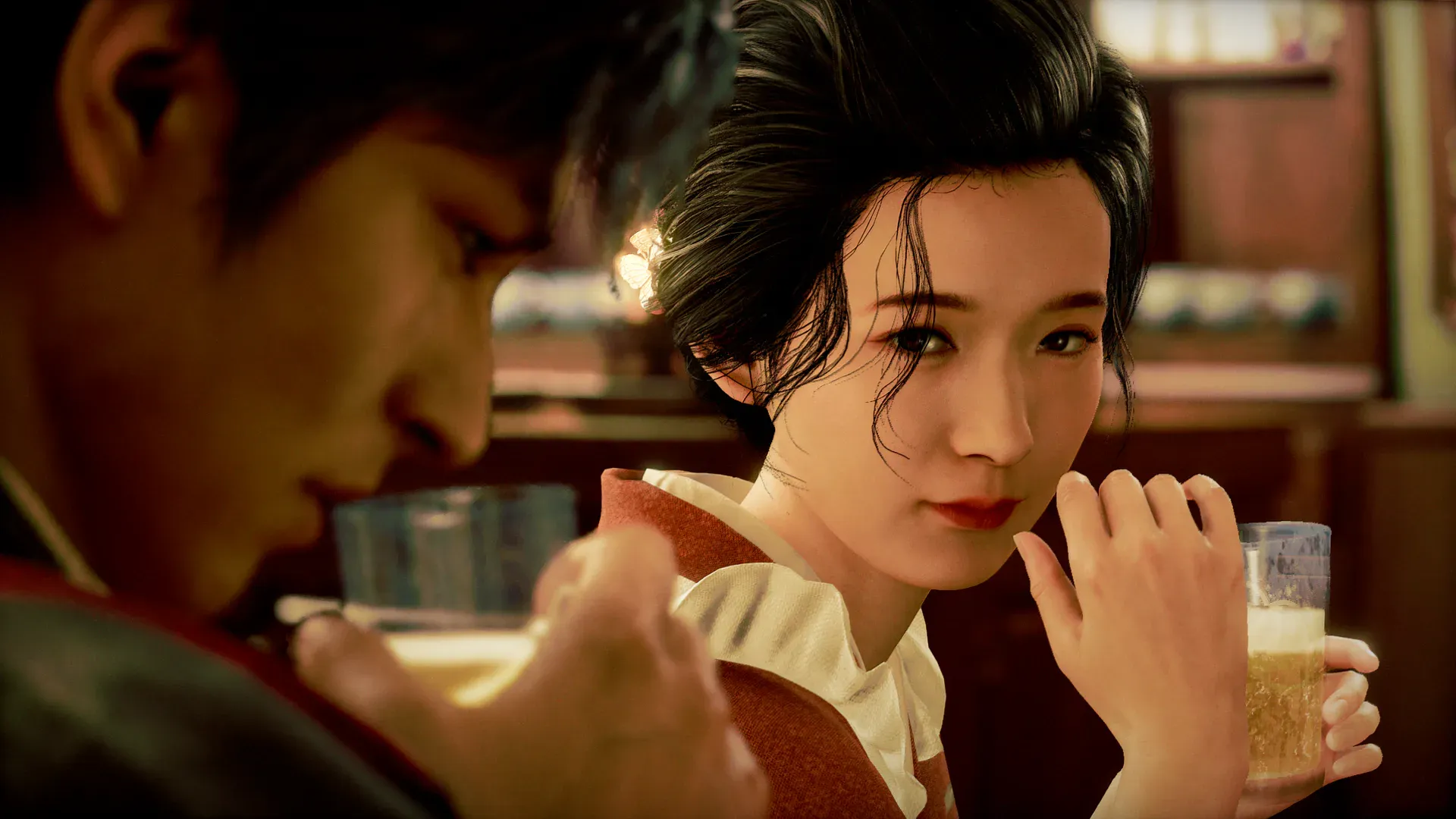
In one of the best scenes of the demo, Daito meets Tae (Moeka Hoshi), a call girl and mistress for a high-ranking yakuza, and the two gradually fall in love. Their first meeting, where Daito stumbles through honorifics, customs, and small talk, is unlike anything I've seen from RGG Studios before. Where Like a Dragon goes for big emotions and humor, Stranger Than Heaven isn't afraid to be small, quiet, and reserved. There is weight in the silences.
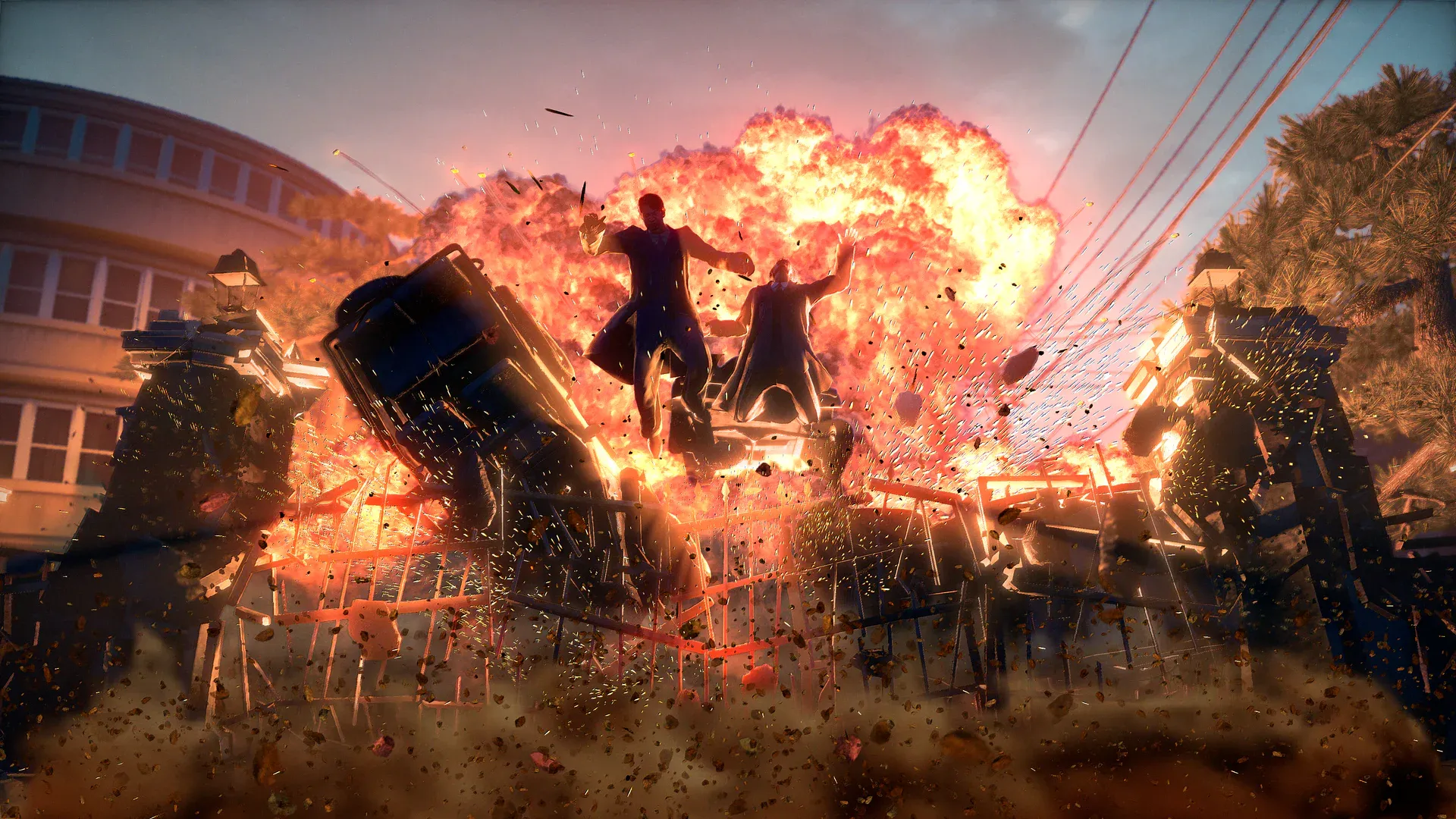
This doesn't mean the game lacks that same melodramatic drive as its predecessor. In one bravura sequence, I saw Daito and his chosen clan lead a charge into a steelworks factory to rescue captive friends, and it's as big and audacious as anything in the Like a Dragon series.
The five cities are large and full of things to do
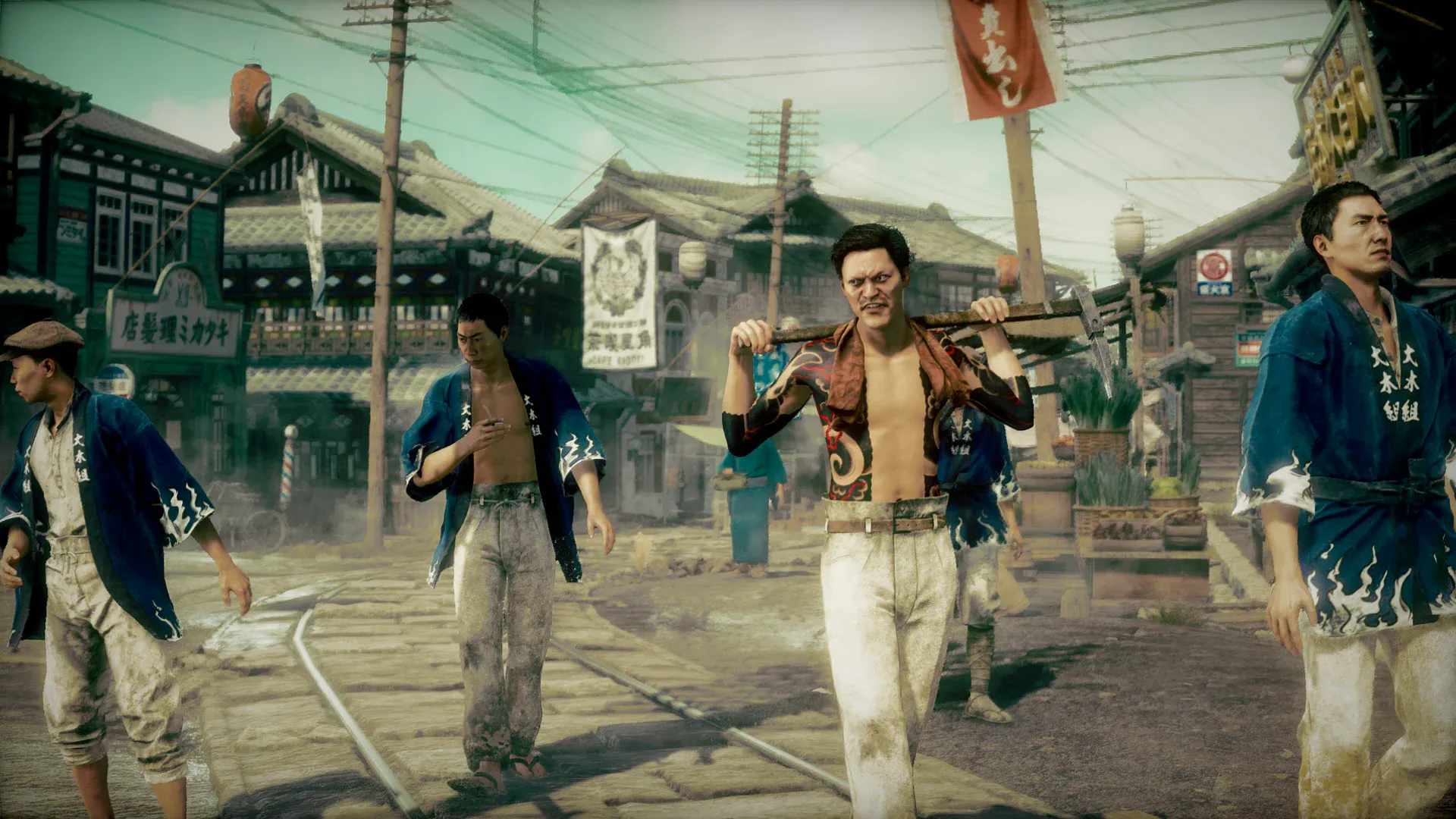
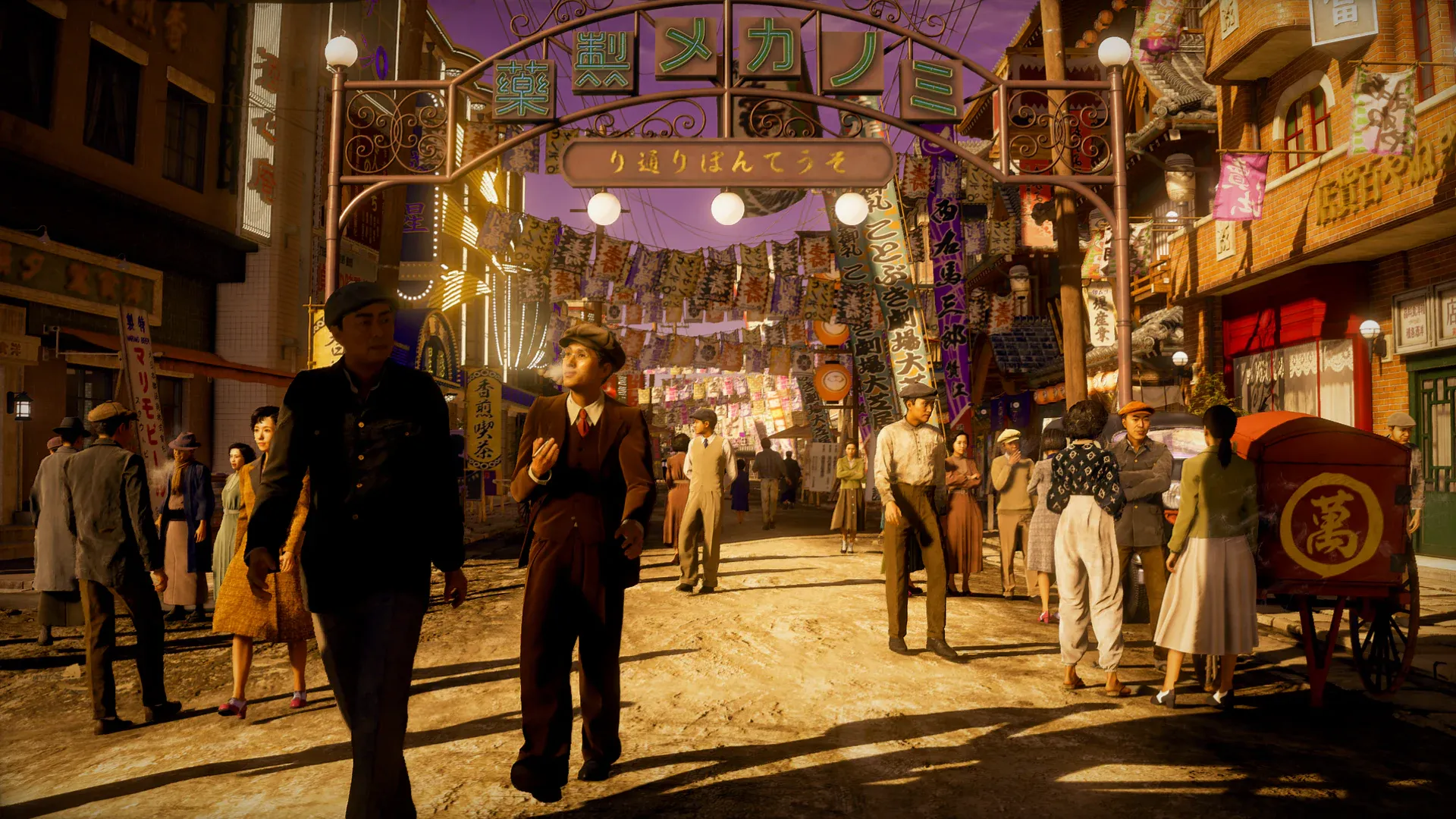
As Daito's epic history spans five decades, his journey takes him across Japan from the streets of Kokura to the high-rises of Tokyo. In the demo, I got a sense of how incredibly well RGG Studio has captured the passage of time, as the old vision of Japan falls aside to make way for a new one.
Each city is a little larger than Ryukyu, as seen in Yakuza 3, though I wouldn't be surprised if the latter maps were even bigger. There's also plenty to do in each one, though don't expect wacky mini-games like those in Yakuza. That means no racing or fighting others for return bottles. Instead, the offering is more subdued and true-to-life: gambling, underground fighting, and other games of chance.
As the country digs itself out of post-war malaise, opportunities grow with it. Daito establishes himself as a formidable force in show business, alongside his yakuza ties, as the native population learns to embrace him despite his outsider status. The first time I walked the streets of Kokura, I was shocked at how openly RGG Studio depicts the hostility of a cold island nation that, until now, had no reason to welcome outsiders. People spit at Daito, call him slurs, and some won't serve him, even if he can pay.
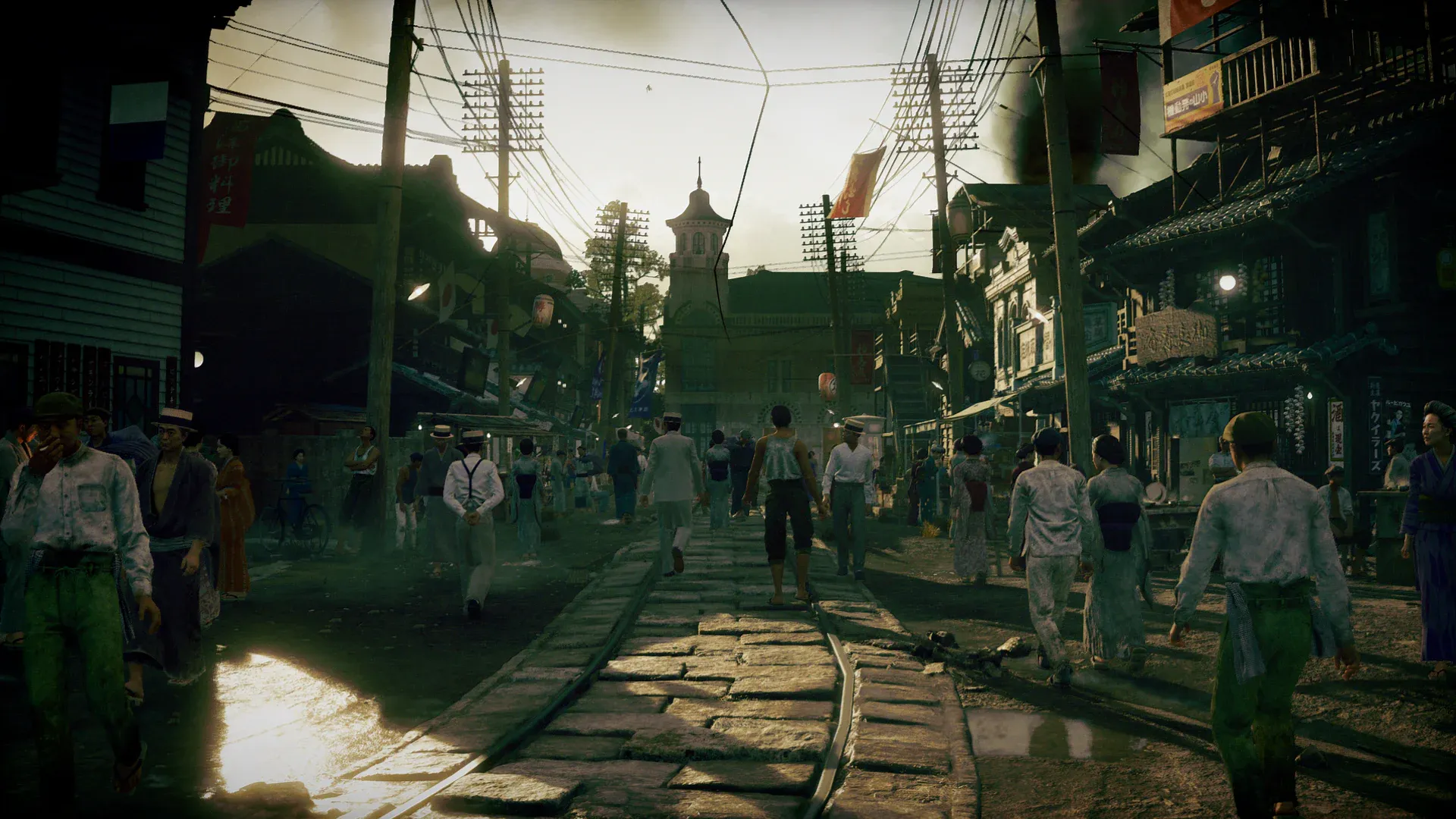
Fast forward a decade, and people move out of his way on the street. Others look down in deference, while some call him boss. The clothes people wear have changed, too. Gone are the traditional garbs of the past century, replaced with Western styles and Panama hats, a sign of things to come.
In one of the coolest additions, Stranger Than Heaven reintroduces photography to the gameplay, but with a fun twist. Each camera is unique to the time period. This means you can't just go around snapping everything willy-nilly, as you would with a smartphone. Instead, every photo counts; film is expensive, shutters are unreliable, and every photo requires developing at a specialty store.
At first, I thought it would be a gimmick, until I noticed I spent most of my time in free roam, taking pictures with careful attention to detail. When every shot counts, I paid far more attention to my surroundings. Some of the shots turned out poorly, with bad framing or out-of-focus subjects, yet they still felt important. I felt connected to that moment because it reminded me how I struggled to capture it in the first place.
The showman mini-game is brilliant
The standout mini-game is the showmanship portion of Stranger Than Heaven, and calling it just a mini-game feels like a disservice. This is a massive part of the heart and soul of the game, and it features in every aspect of Daito's grand journey.
As Daito makes his way through life, he finds inspiration from nature, machinery, people, and events. These appear as glowing markers and sound cues in densely packed environments, showcasing the impeccable audio design in Stranger Than Heaven.
For example, wandering the streets of Osaka, I heard a distinct pattern repeating itself. It came from down the stairs, in an alley beneath the boardwalk, where a chef worked on his hotplate. I listened intently to the knife dancing along the metal, and soon Daito had an idea for a tune.
Later, I picked up sheet music for a classic American big band song, When the Saints Go Marching In. I took the music, the sound cues, and all other assortments of ideas I had found to my composer. Together, hanging around his piano, we put together a new act, where the famous tune turned into a melancholy hymn suitable to the 1940s.
After that, it was time to find a venue for the show. This wasn't the kind of tune that needed a big concert hall, and it certainly didn't need a big star with a bright voice. Instead, something small would do. Perhaps a cafe I passed by earlier, where the owner complained that nobody visits anymore. In the end, it turned out very cheap to rent. As the show plays, it's up to Daito to handle the lights, smoke, and background effects. Some gigs need more pomp than others, and it's up to the player to figure those out.
The result is exhilarating and gives Stranger Than Heaven a lived-in quality that stands out from anything else on the market. RGG Studio has always excelled at crafting immersive worlds, but for the first time it feels like they've found a perfect balance between the melancholy romanticism and gritty thrillers they've sought for decades.
It's (probably) not a prequel to Like a Dragon
I didn't get a chance to see the final two cities, and RGG Studio kept the plot still well under wraps during the demo presentation. At best, all of this is bits and pieces of a much larger whole. Despite this, throughout the presentation and during our brief encounter at Gamescom, RGG producer Hiroyuki Sakamoto emphasized to me that this is not a prequel to Like a Dragon, despite some connective tissue.
For one, Stranger Than Heaven features the origins of the Tojo clan, which is a major part of the Like a Dragon story. Daito is a founding member, though he isn't mentioned in the preceding games. Similarly, we most likely won't see any fan favorites from the other IP, so no Kazuma Kiryu – who, let's face it, is only a baby in the 60s.
And yet, there are connecting points, if only thematically. When I spoke with Sakamoto, even he couldn't deny that these are stories of broken men inventing new identities alongside their found families, and how their passion and drive lead to tragic outcomes when they collide with other lost souls on their journey.
When I tested the first demo for Stranger Than Heaven, I left a little underwhelmed by what I saw. It felt disconnected, unfocused, and overtly complicated.
Now, after three hours with the full thing, every hesitation I had has been replaced with anticipation. I'm confident this will be something special. If the rest of the game lives up to what I saw in the demo, Stranger Than Heaven promises to be an ambitious, deeply moving, and brilliantly realized crime saga that will raise the bar for the genre that Like a Dragon pioneered.


