

The Samsung Galaxy Fold 8 is an absolute marvel of engineering. When I picked it up for the first time, it evoked a distinct sense of nostalgia, while also feeling like a modern, ultra-sleek device.
Held in the palm of your hand, it is only slightly taller than the iPhone 13 Mini, and about as wide as an S26 Ultra. It has the symmetry and understated beauty of the BlackBerry Passport, and I mean that in the best way possible. It strikes a rare balance between a serious productivity workhorse and something fun. A novelty that serves a purpose, which is harder to achieve than it initially sounds.
I've now spent six days with the Fold 8. During that time, I've had it as my daily driver at a roleplaying conference, out on the town, and especially as a one-stop media device for reading and watching Netflix in the evenings. I've also updated this review daily, both here and on social media, to answer burning questions and update my experiences.
To be clear: The Galaxy Z Fold 8 has made me rethink how I look at not just folding devices, but what I need from phones in general.
The new cover screen is the big winner
Samsung has been making steady strides with its outer displays, and with the Fold 8, it has finally, finally perfected the form factor. Using the cover screen feels remarkably like using a squared-off version of the S26 Ultra; lightweight and durable on one hand, but also easily accessible and surprisingly thin on the other.
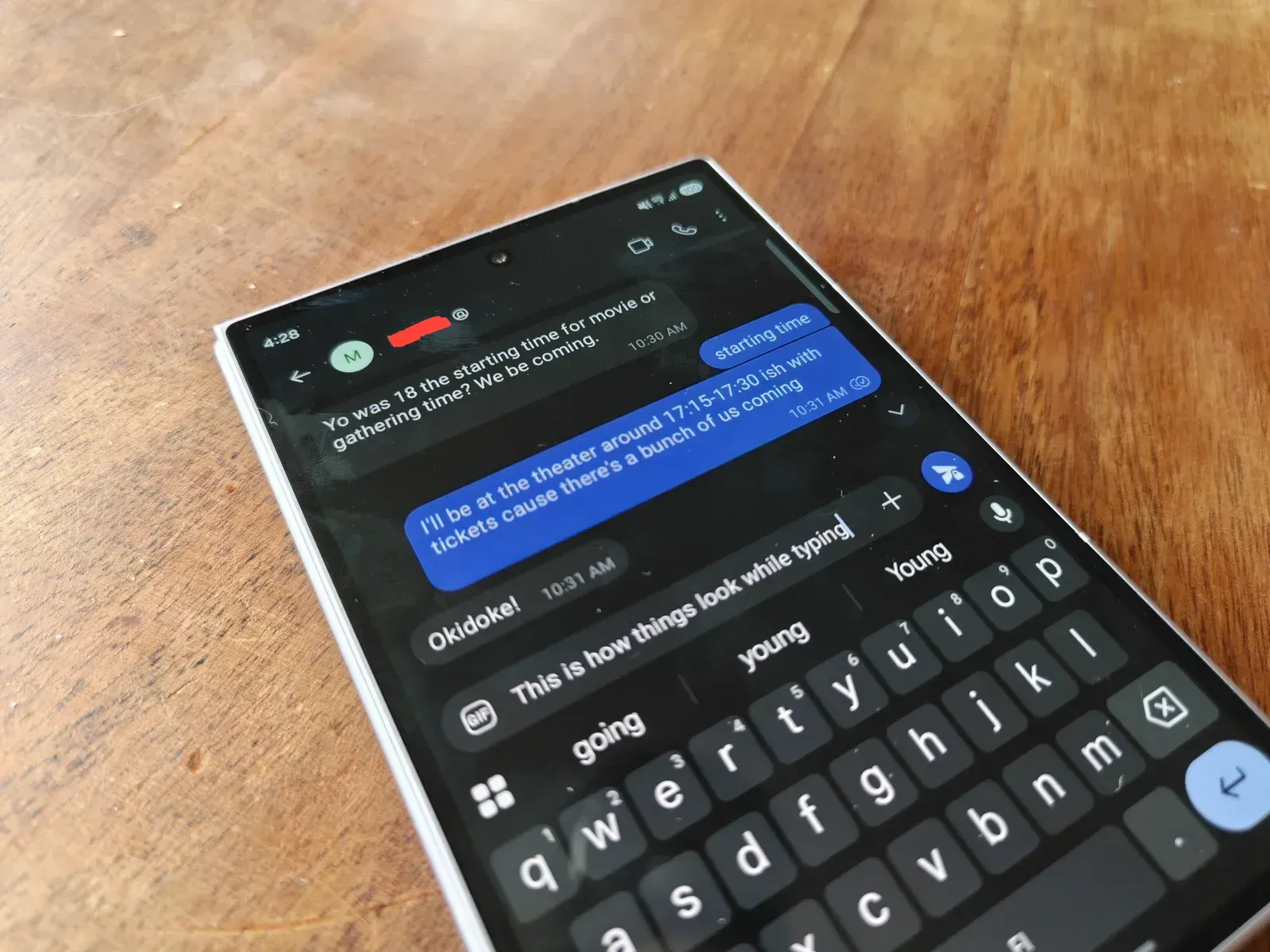
Basic tasks and everyday typing are a breeze. Messaging platforms like Signal and forums like Reddit scale beautifully, maintaining plenty of usable screen real estate even when the on-screen keyboard pops up.
Because you can do so much without opening the main display, relying on the cover screen significantly cuts down overall energy draw, making the battery last even longer on certain days. During my test period, I found the split between cover and inner screen to be around 60/40 in favor of the cover. But, and this is important, when I did unfold the device, it was for longer stretches and harder workloads, which is exactly how it's intended.
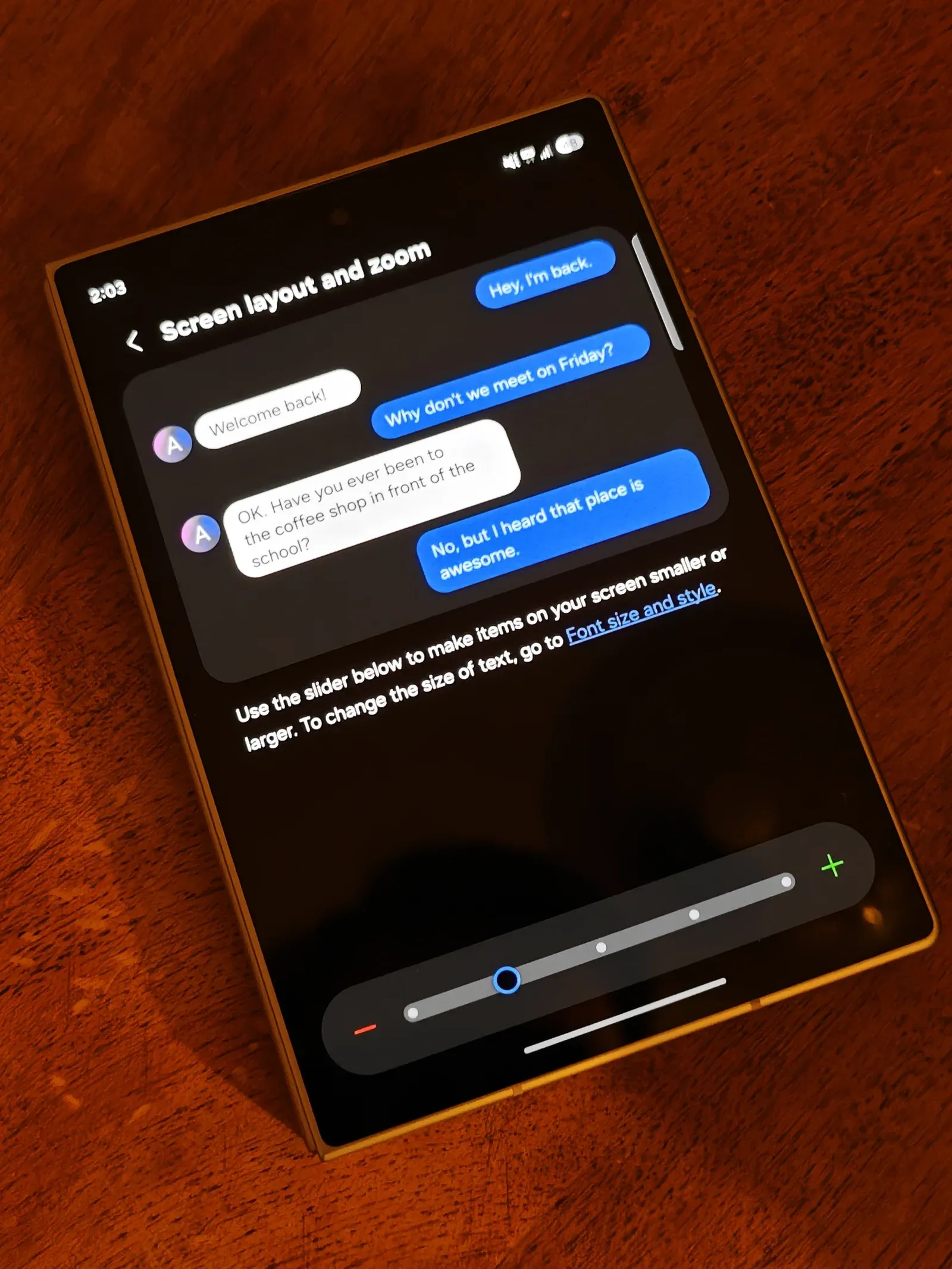
Another very welcome addition is the ability to finally adjust Screen Zoom directly on the cover screen, making text and UI elements much easier to adjust for your needs.
Build quality is outstanding
Before diving into performance, we have to talk about the inner display's crease—or rather, the lack thereof. By all accounts, it is basically non-existent. While you can force yourself to find it if you really try, I could not see it in normal day-to-day use, and the rare few times that I did, I was only surprised by how little I had thought about it. Samsung has already taken great strides on this front, and they're finally at a point where they can sit proudly with fellow Chinese foldables.
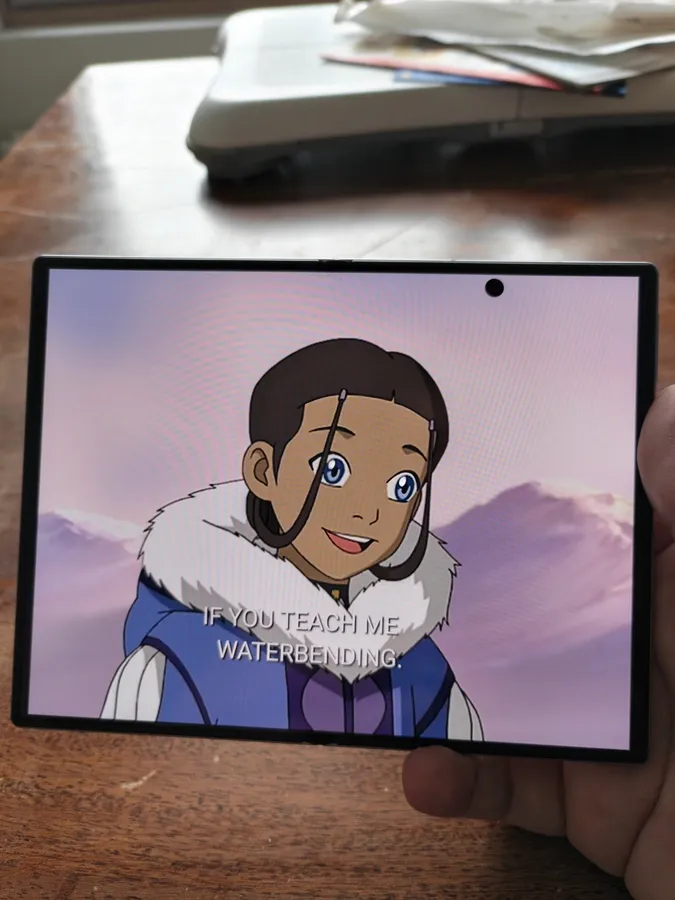
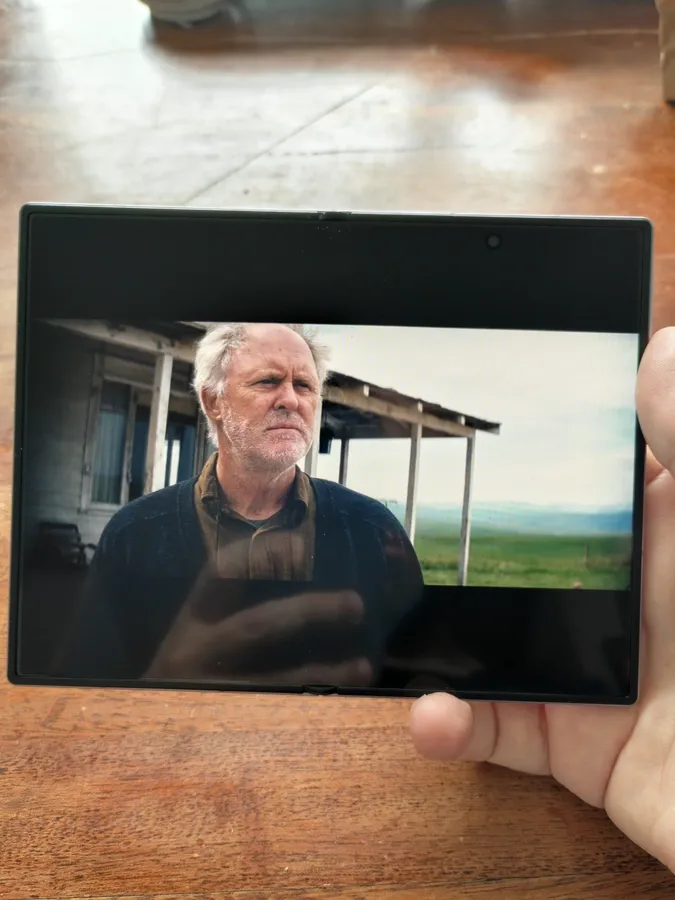
Left: 4:3 Netflix stream of Avatar: The Last Airbender, Right: 16:9 Netflix stream of Interstellar.
The inner display is a 16:10 aspect ratio beauty that looks gorgeous in both sunlight and darker surroundings. Films, depending on their aspect ratio, either fill the screen or have slim bars at the top and bottom. Other content, like comics and books, is equally great on the device, with the Fold 8 providing a hand-feel of a book that makes the experience feel more natural.
Elsewhere, the phone is thin and light at just 201 grams, and the square aspect ratio makes it genuinely feel, well, like a passport in your pocket. The base model, which I had as a review copy, comes with 12GB of RAM and 256GB of storage, though you can get one all the way up to 16GB of RAM and 1TB of storage.
Everything else is classic Samsung quality: Armor Aluminium frame, Gorilla Glass Victus, IP water resistance, everything that makes this a durable, though not unbreakable device. Before I got my hands on it, I was terrified I would break it. After spending time with it at conferences and actively around the city, I no longer feel that way. This is a robust and well-built phone.
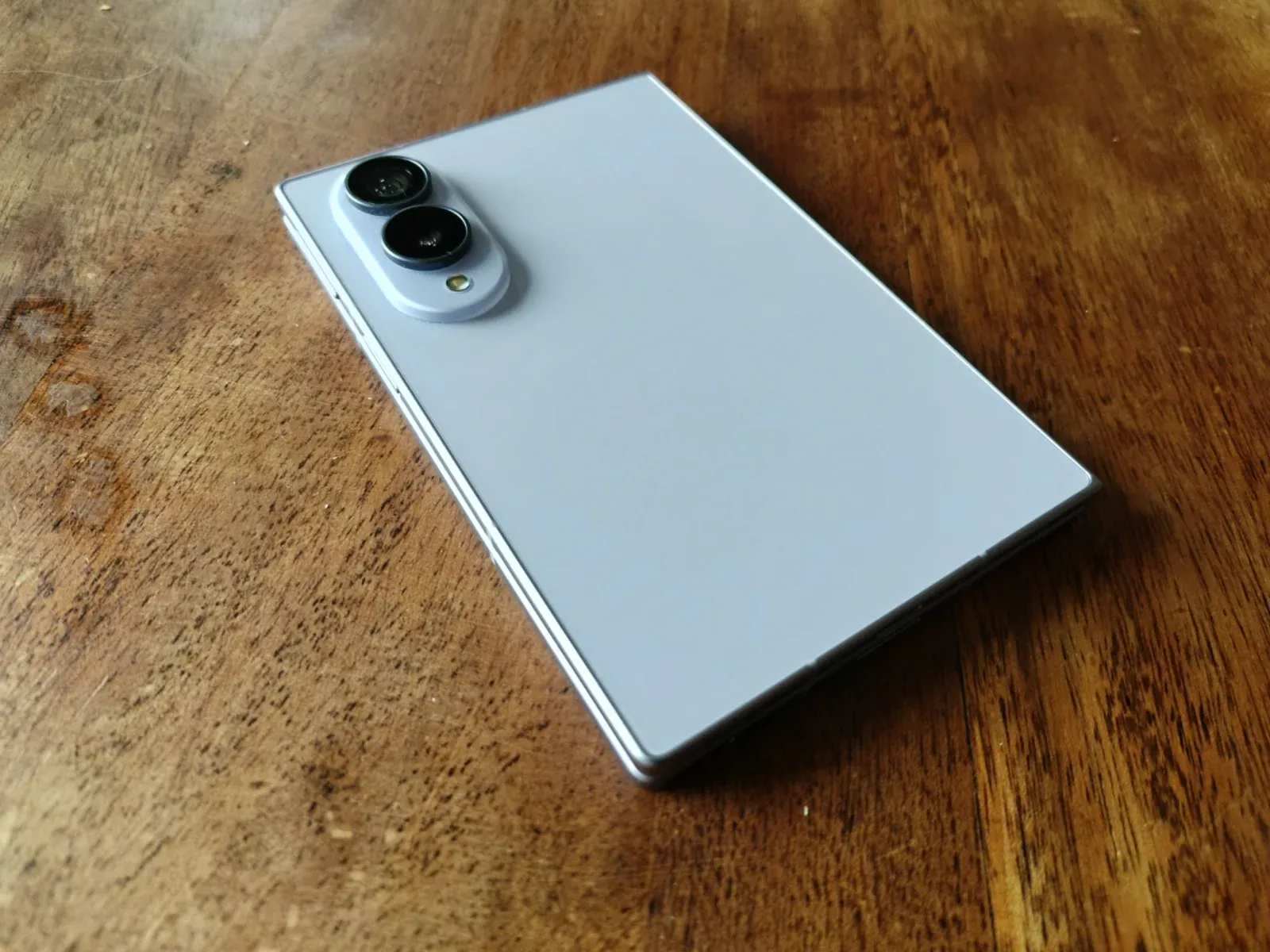
But it isn't perfect, though it does come close. There is still the question of that pesky camera system at the back, which causes the otherwise pristine form to wobble whenever it is set on a table. It's a frustrating oversight in an otherwise compelling package, one that makes the sturdy and gorgeous device feel flimsy when it shouldn't.
Battery life: the silicon-carbon makes a huge difference
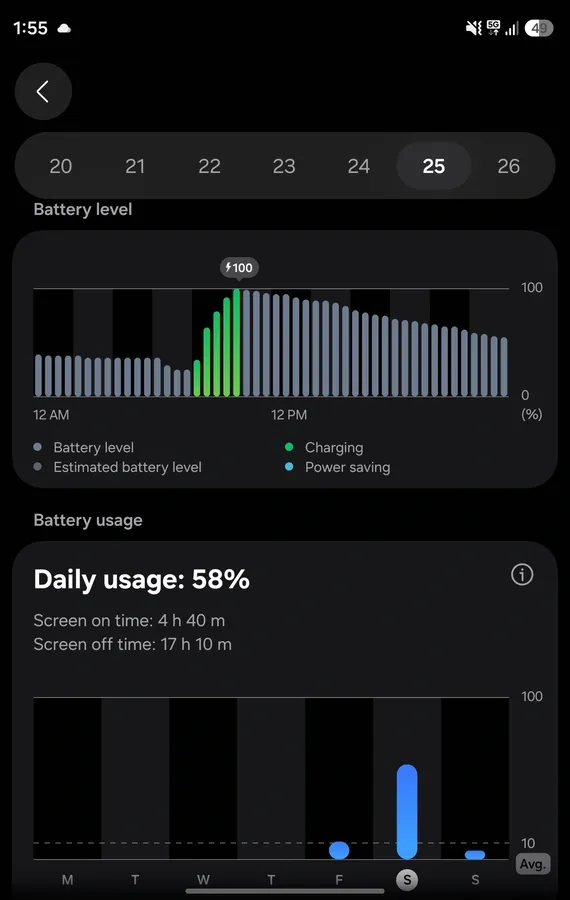
One of the most meaningful upgrades comes from the 4,800mAh silicon-carbon battery. That's about a 400 mAh upgrade from the previous Fold crammed into a smaller form factor. Thanks to the silicon-carbon tech, the battery is more densely packed, allowing for a longer-lasting experience.
During my daily drives with the Fold 8, I never finished a single day with the battery under 20%.
For reference, my average day would start with the phone at 100% around 8 AM and finish late, often well past midnight, with around 50% and 30% of the battery remaining. On quiet days, that put me around 4 hours and 40 minutes of mixed usage predominantly on the cover screen. On busier days, like during a convention, I clocked around 6 hours and 30 minutes of SOT.
Both of these are great results for a smaller device, and a brilliant showcase for the power of the silicon-carbon tech that I hope Samsung will bring to all of their phones in the future.
If you do end up running low on battery, the Fold 8 comes with a respectable 45W fast charge option. It's on the slower side of what qualifies as "fast charging" today, especially as competitors are well into triple digits now, but it's still fine.
Multitasking & display make the Fold 8 a productivity Powerhouse
Samsung’s software continues to set the standard for foldable multitasking. Running three apps side-by-side works smoothly, and you can freely resize windows and rearrange them into custom configurations based on your workflow demands. Everything up to three windows can be saved as app pairs, which makes jumping in and out of different setups wildly easy.
There is no S-Pen this time around, but the new aspect ratio and ease of use on the cover screen have more than made up for it.
Split-screen task-switching works extremely well in portrait mode, too. Turn the tablet on its side, and the split gives you perfect headroom for a YouTube feed on one half, and another app on the other. Sadly, there is no flex mode this time around, either. The hinge is sturdy and snaps open or shut very easily, which means you can't just set this on a table for easy viewing. What an odd choice from Samsung, and a real bummer for those long road trips or flights where this proved quintessential.
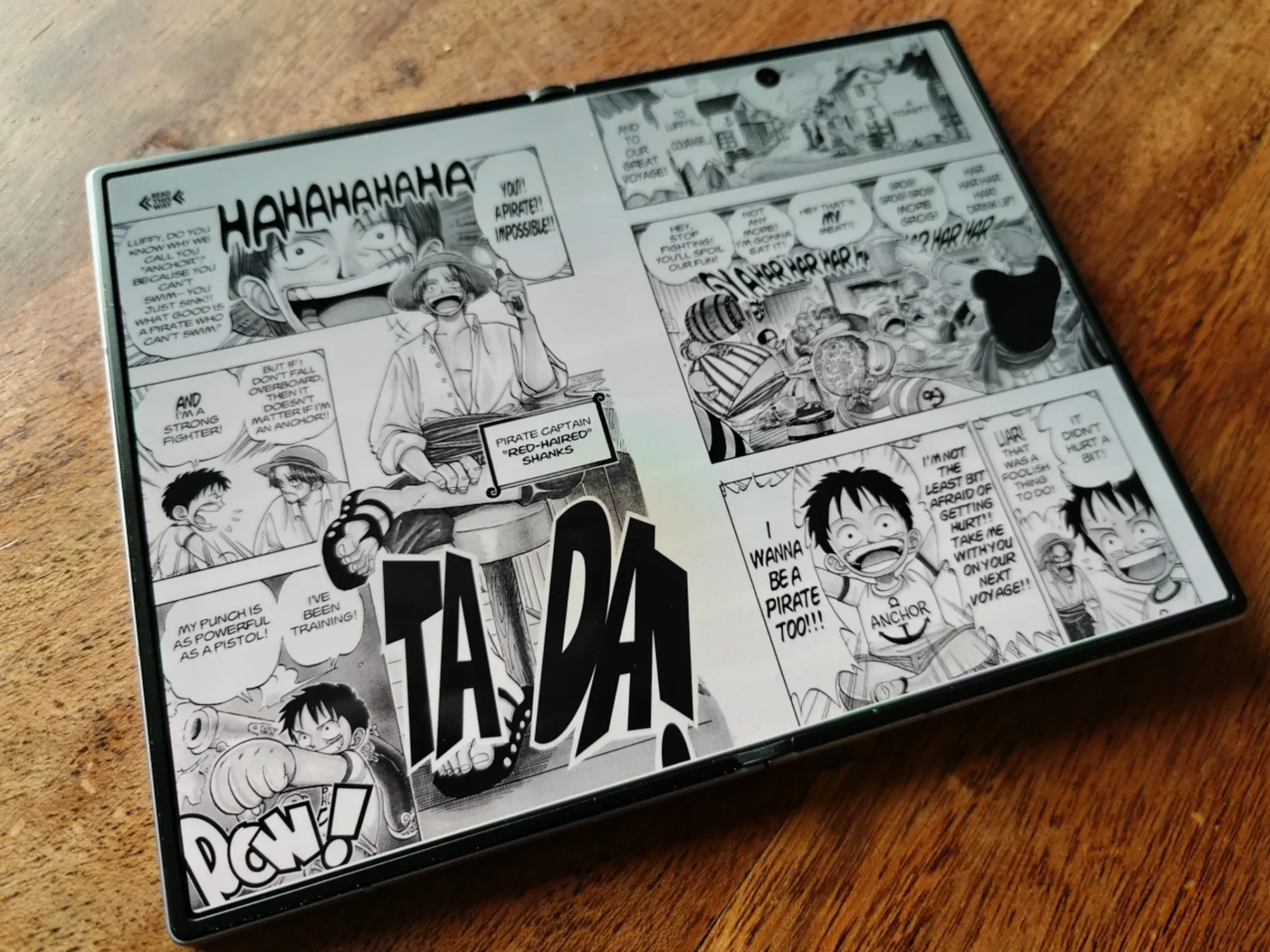
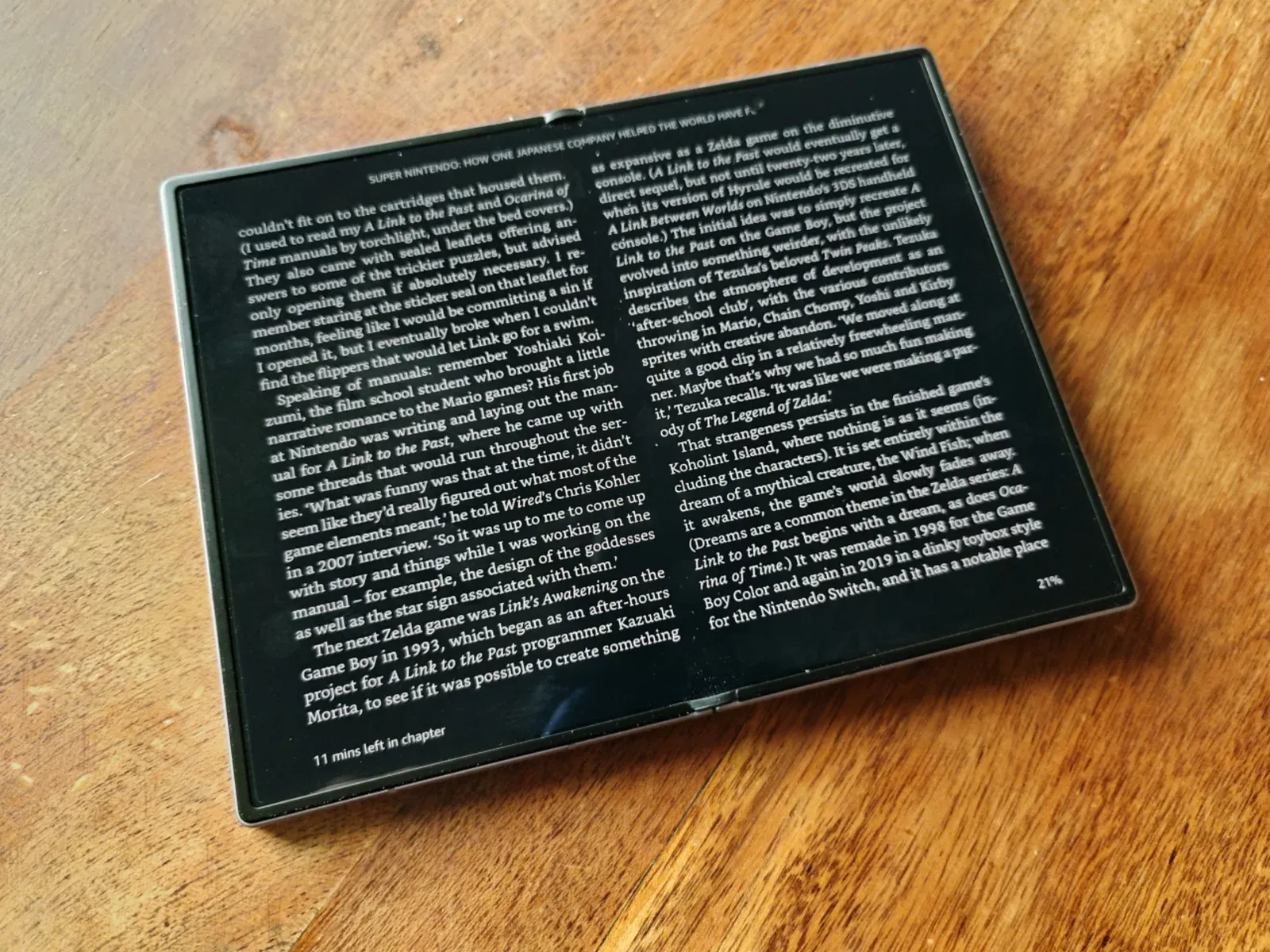
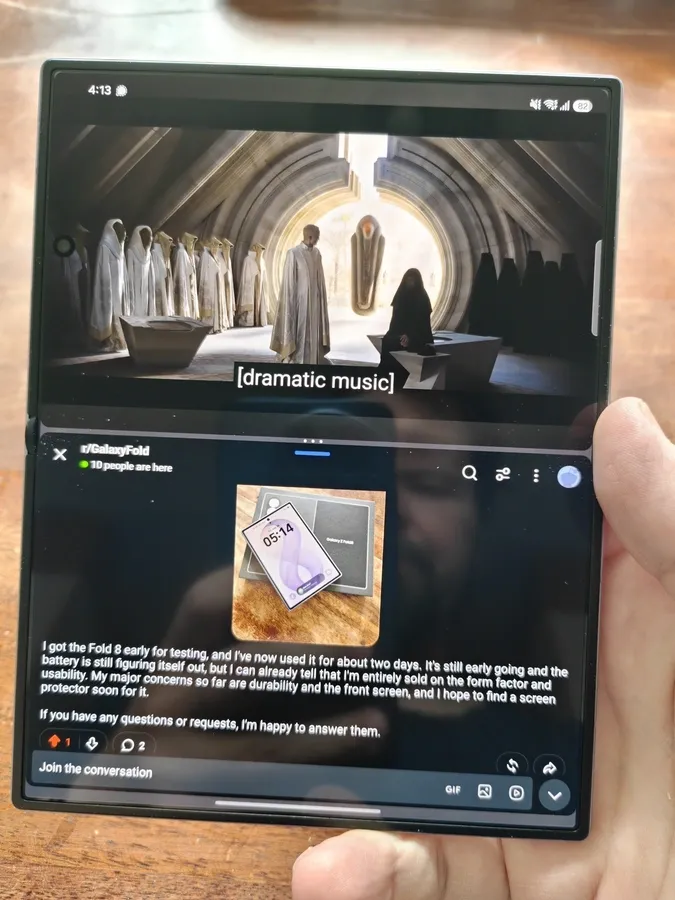
While media looks gorgeous on the big screen, the audio setup leaves something to be desired. The dual stereo speakers are positioned on only one side of the unfolded chassis. When watching content in landscape, the sound gets pushed away in an awkward direction rather than surrounding you. Listening in portrait mode balances the stereo separation, but then you lose out on the expansive landscape view.
It does sound like a mixed bag, but I would be lying if I said that I had a bad time with the Fold 8; far from it. Most nights, I found myself reading a lot more than I have in the past few months, and that's entirely thanks to the remarkable screen and great battery life. It's wonderful to be able to read a book on a light device that doesn't strain my eyes, and not worry about the battery for the next day. The Snapdragon chip inside sips power in this activity, and I can already see what a joy the Fold 8 will be on long trips as a reading companion.
Performance & gaming are top-notch, but the thermals cause some worry
Make no mistake: the Fold 8 is a productivity and media device first and foremost. However, one of the most requested features I got from readers was about the Fold 8 as a gaming station.
So, to test the Snapdragon 8 Elite Gen 5 chip, I put it through its paces across a mix of titles ranging from very light games like Gwent, Pokémon GO, and Vampire Survivors to demanding behemoths like Call of Duty, Wuthering Waves, and Diablo.
Light games proved no issue to the Fold 8, and I had a blast shooting through vampires and battling with cards for multiple hours during my week with the phone. Heavy games, on the other hand, will chew through that battery fast, although, to be fair, I found that I would always tap out before the battery did. I'm no longer the prime candidate for multi-hour gaming sessions on a phone.
The device does tend to get noticeably warm during multitasking and gaming. I even noticed it picking up some heat during normal things, like browsing Reddit or Instagram, depending on how much content was on screen at any given time.
Photography and video, especially 4K filming, also heat the Fold 8 quite noticeably. This might be initial background indexing while the OS learns usage patterns during setup, but, for the moment, thermals are definitely something you should take into consideration.
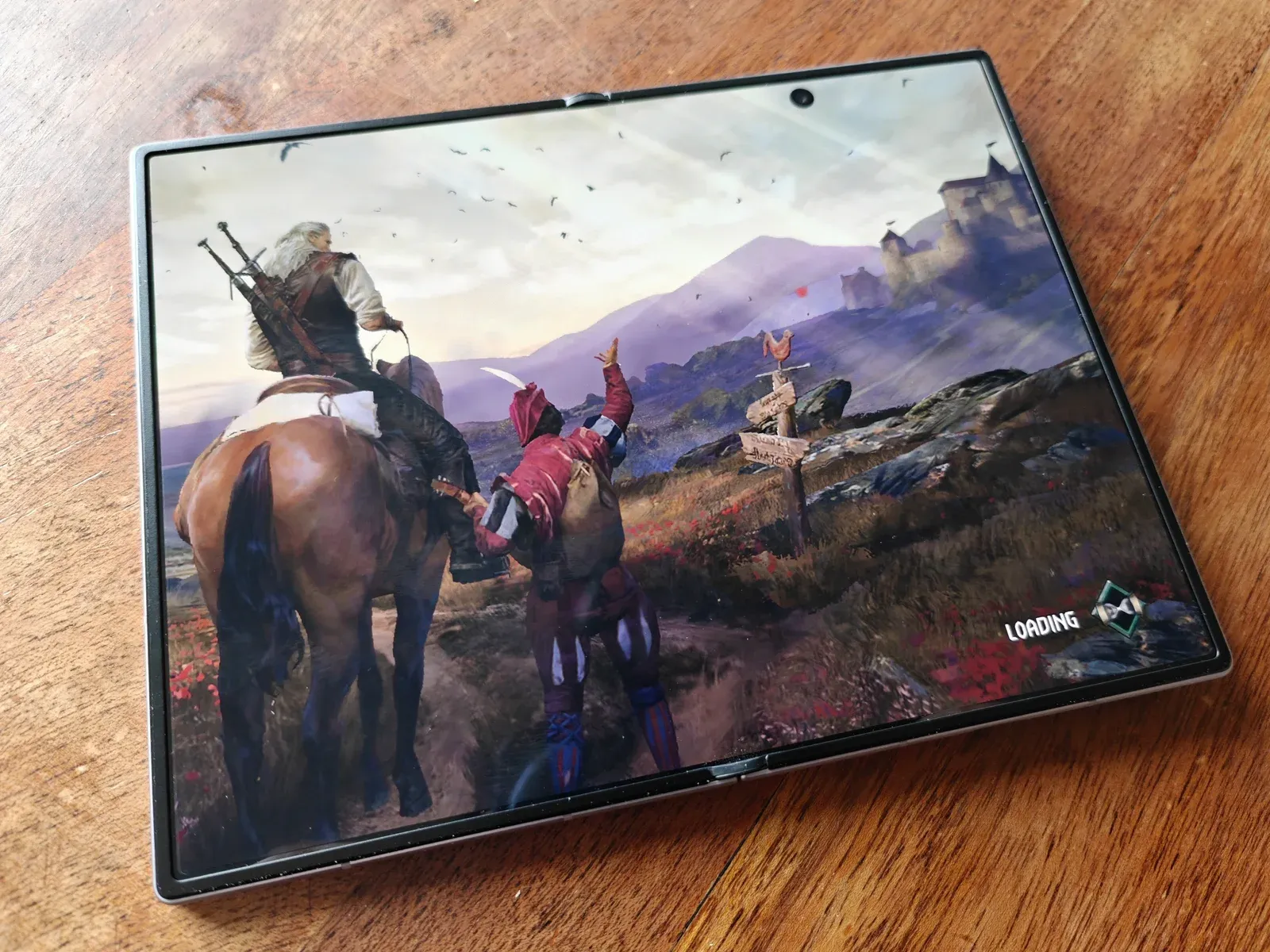
Cameras are solid, but with some limitations
The camera system delivers clean, effortless point-and-shoot results during the day, and I found that video, too, provided pleasant results.
During my early testing, I found the main camera pretty much in line with the iPhone Air, though, unlike Apple's thin and light offering, the Fold 8 comes with a decent, although not particularly remarkable, ultrawide camera. While the quality is all around good, it's best to manage your expectations: this won't replace a dedicated main camera setup, nor will it compete directly with Samsung's top-tier Ultra series.

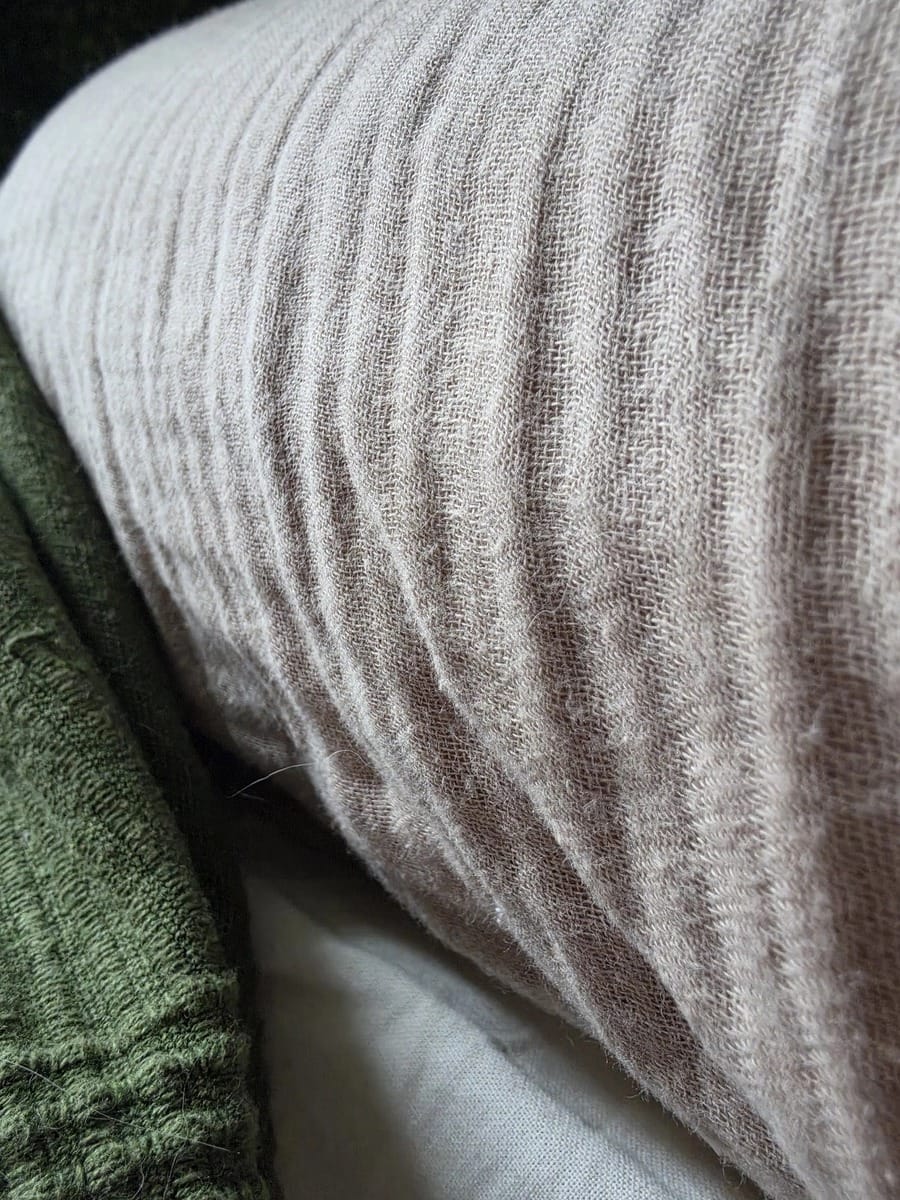
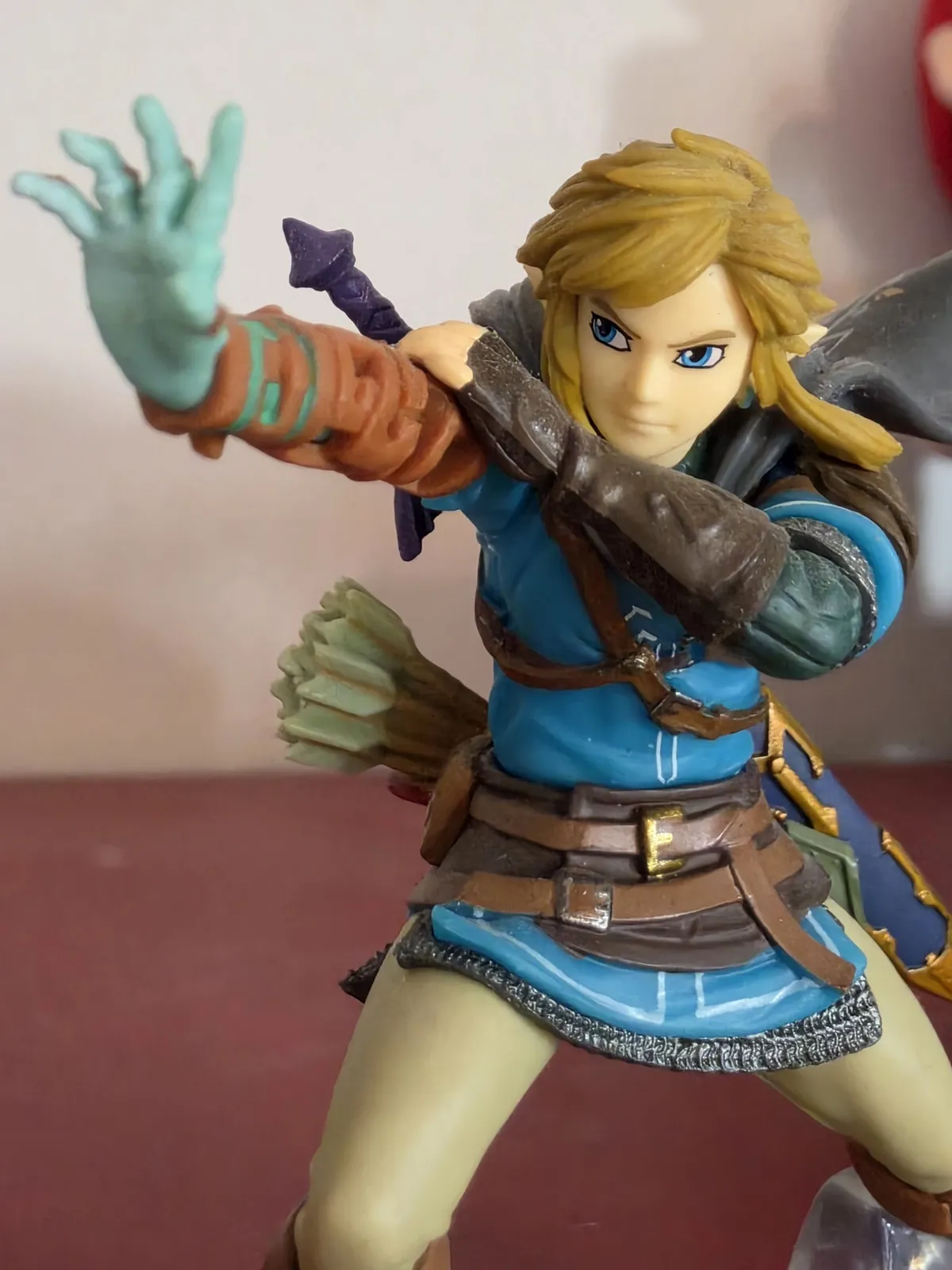
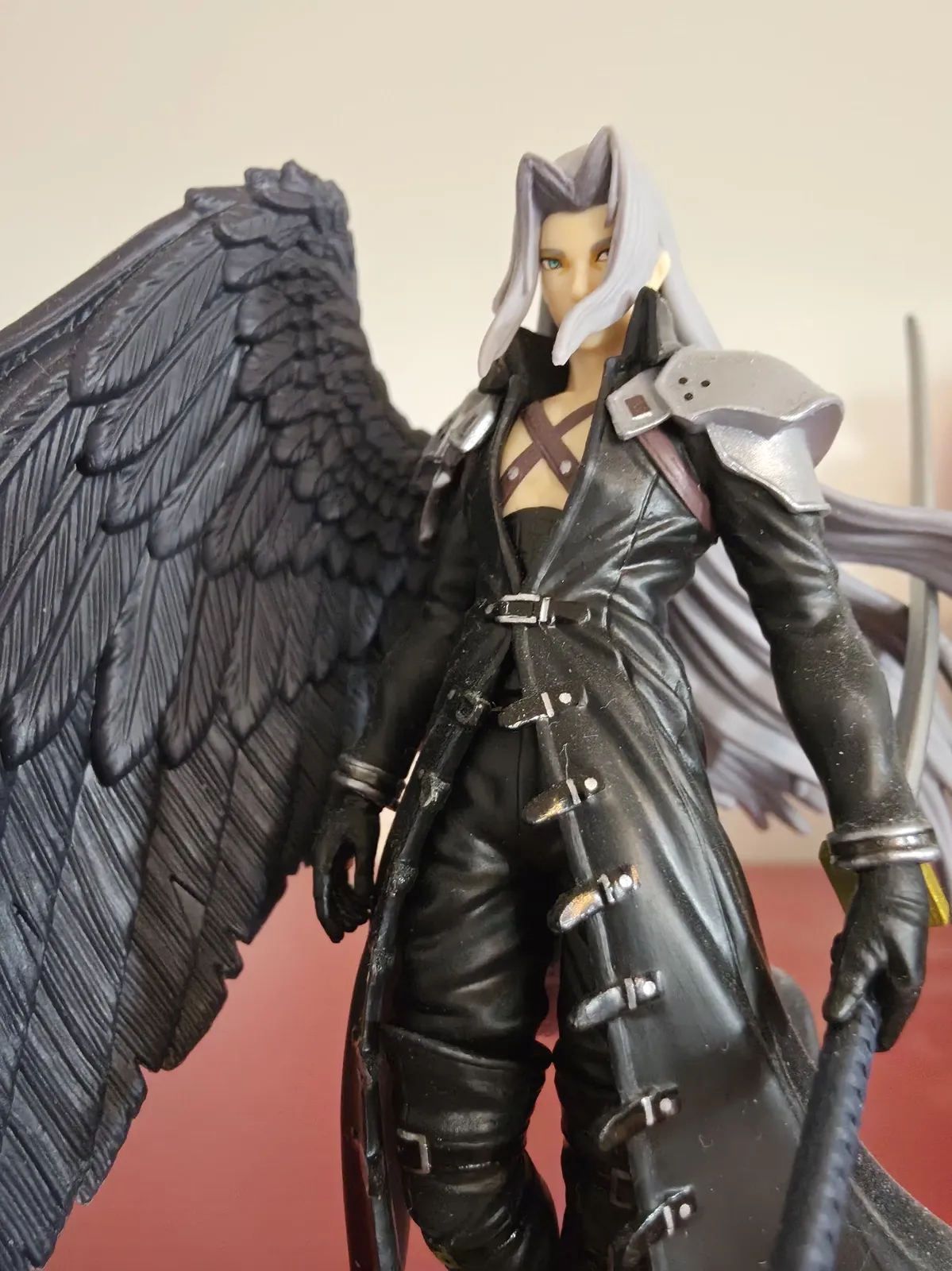
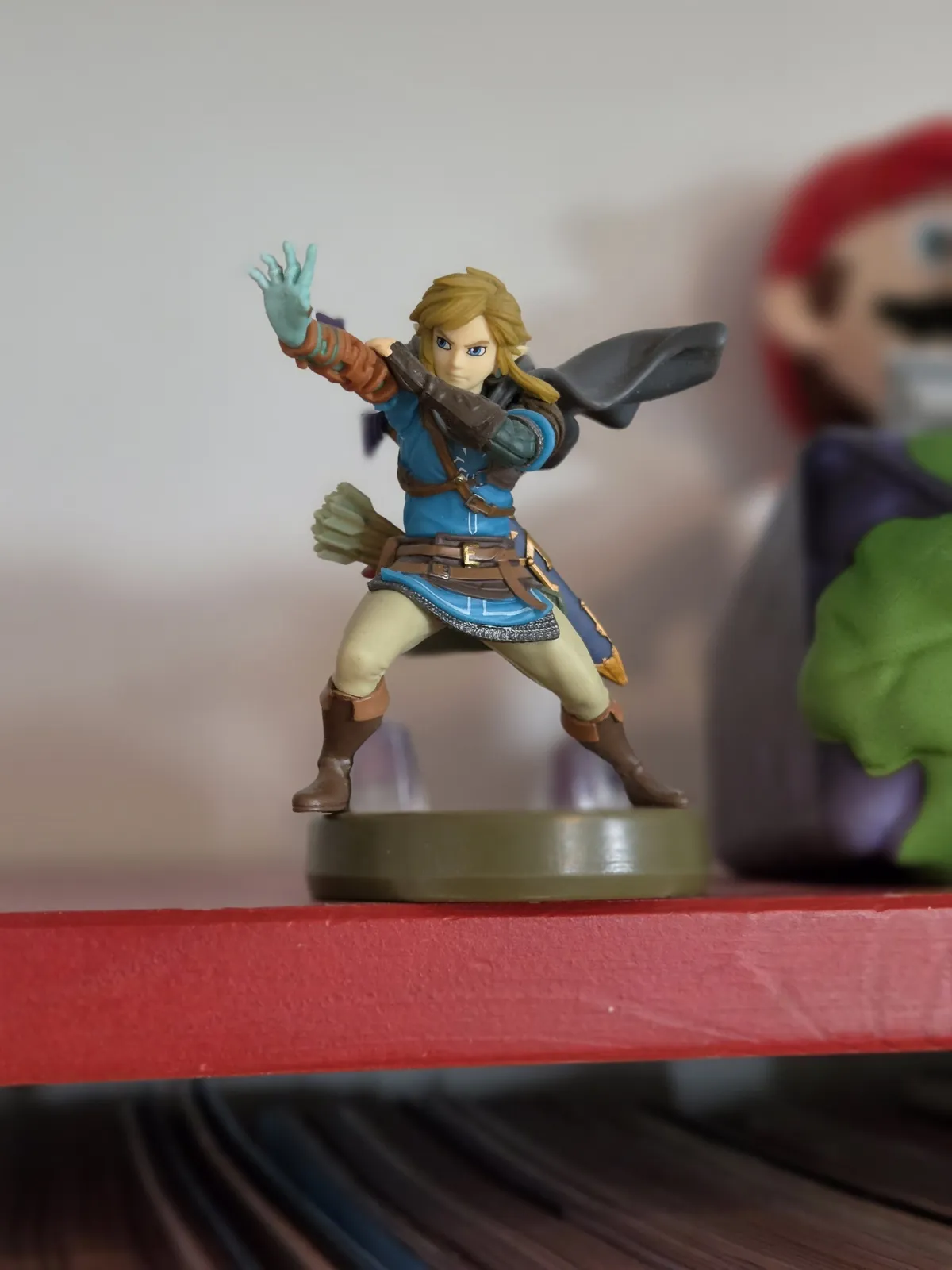
Top left: 1x Regular lens 12MP, Top center: Telephoto 12MP, Top left: 2x zoom 12MP. Bottom left: 2x zoom 50MP, Bottom right: 1x portrait mode 12MP
Close-up shots provide excellent texture reproduction in fabrics, statues, toys, and other inanimate objects. Landscapes, cities, and everyday snaps come out with good detail and the same bright and poppy colors Samsung is known for.
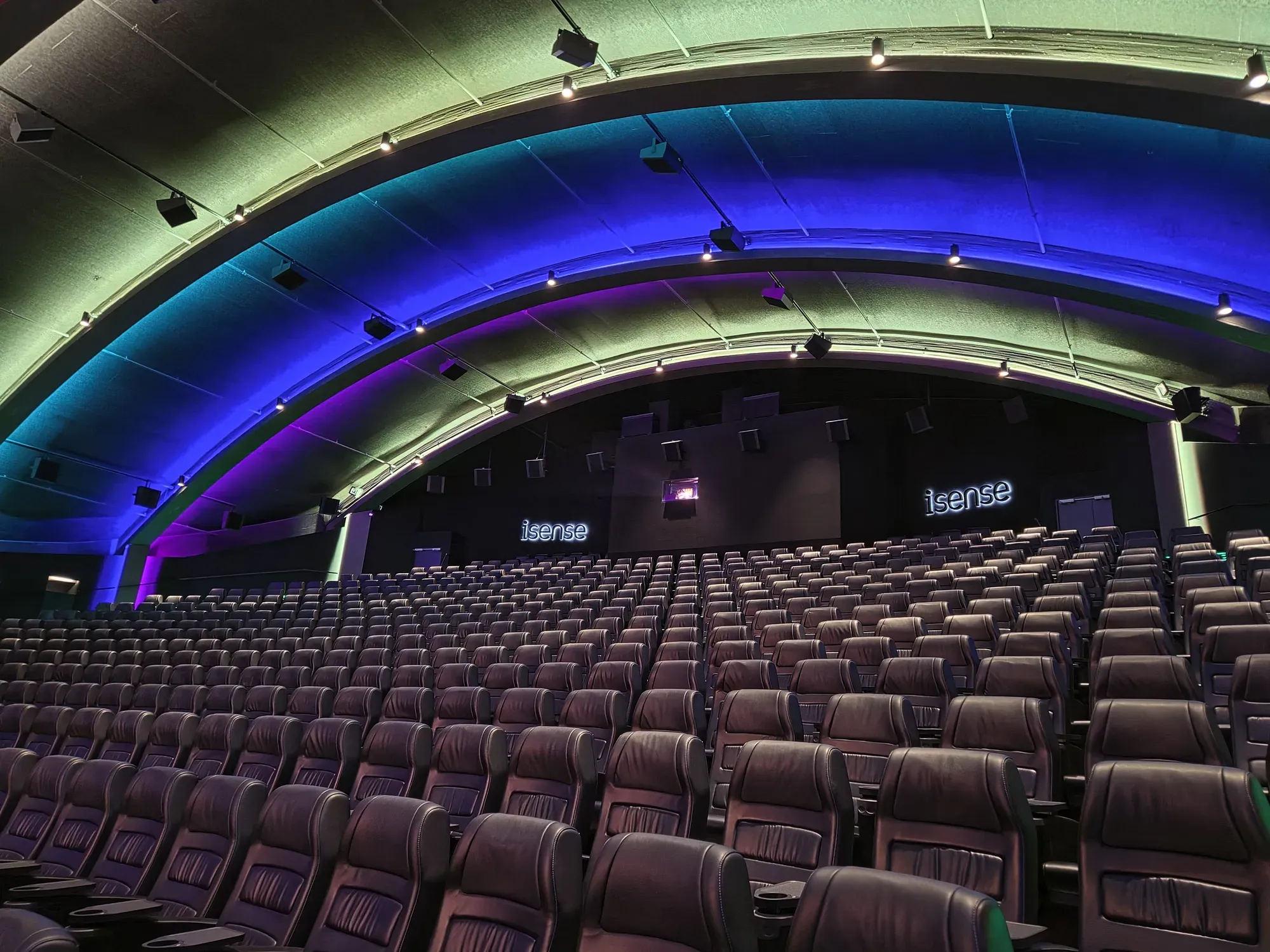
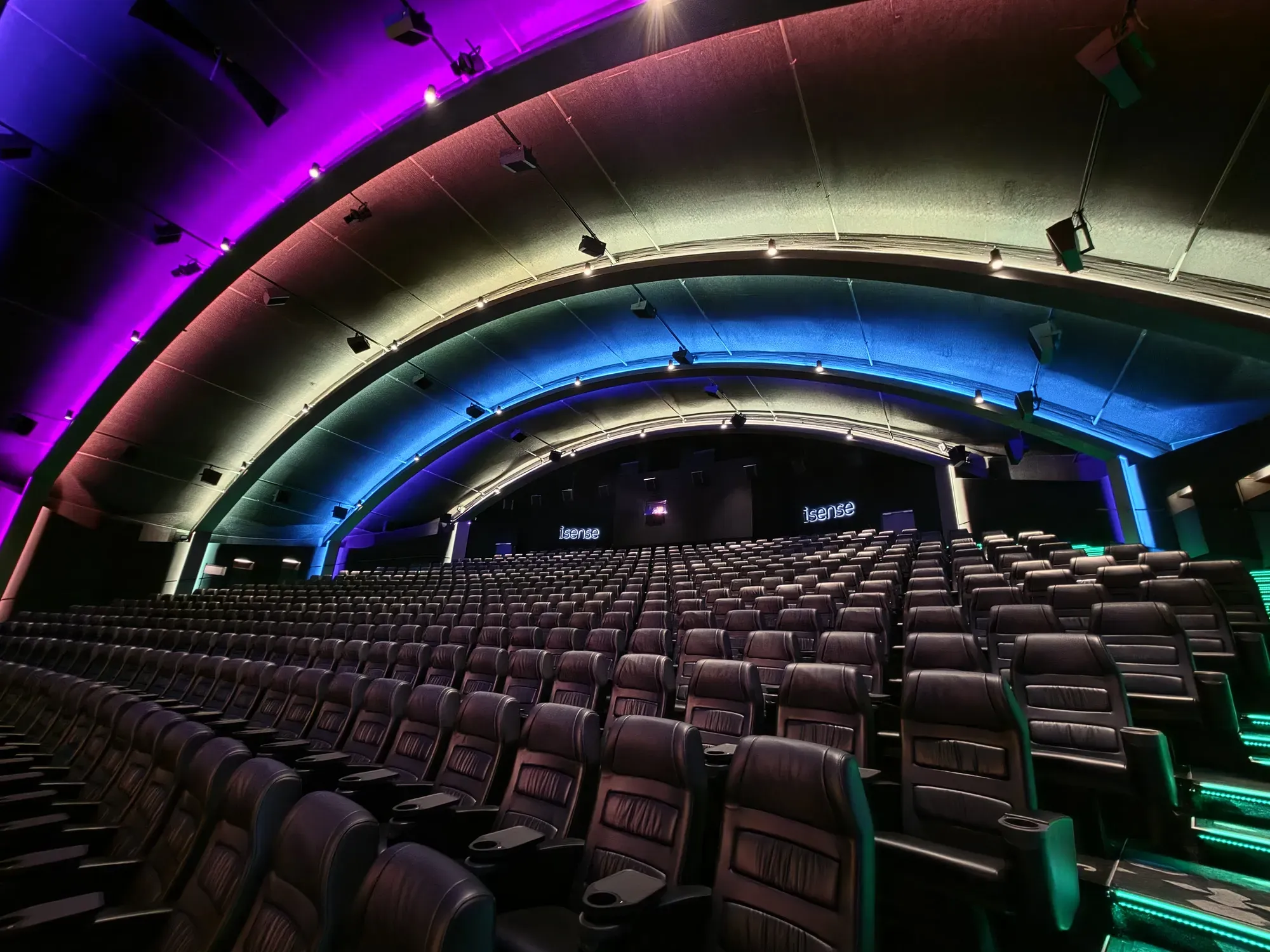
Left: Regular lens 1x 12MP. Right: Ultrawide 1x 12MP.
The ultrawide camera proved a bit more hit-and-miss, with surroundings often appearing soft around the edges and details getting lost. Given time and stability, however, it can produce great, detailed shots in most conditions. Above, take a look at the low-light theater, and you can pull out great details from the seats, and the color reproduction is accurate, too.
The portrait mode was often quite iffy, hunting for a target even though I had it squarely pointed at the center of the frame. When the camera hits, it provides good to excellent quality. The problem is that I found myself often frustrated with how many times it didn't hit the mark. Something that previous Samsung flagships haven't struggled with in a few years now.



Left: Regular lens 1x 12MP, Center: Portrait photo 12MP 1x, Right: Selfie camera
Filming moving subjects, such as animals, proved surprisingly pleasant. Details, once again, are clear and accurate, and even complex coloring, like that on my monstrous cat, came out beautifully. Low-light photography is not a strength here, though, and you can see in the picture of Leia, the cat, that even the slightly dimmer light of an evening kitchen saw the Fold 8 struggle with soft focus.
The selfie camera is good, if not as outstanding as some competitors. My ugly mug isn't the best test subject, but you can see the Fold 8 still picking up fine detail in my stubble and hair, as well as the knitted texture of my shirt. This was also in some yellowish low light around midnight, so in that sense, the selfie camera proved a surprisingly capable snapper.
But if you have the skill and want to make the effort, it's always best to photograph yourself with the rear camera by unfolding the device and sending the preview image to the cover screen.
Is the Galaxy Z Fold 8 worth it?
At €2,000 here in the Nordics, the Galaxy Z Fold 8 is a tough pill to swallow purely from a value-per-Euro perspective. No matter how you look at it, this is an expensive device, almost on the level of a first-generation early access fee for enthusiasts. With AI-driven demand pushing hardware components and RAM costs through the roof, with no end in sight at the present, premium pricing was inevitable. But that doesn't make it easier for a regular consumer.
So, in that sense, it becomes a much tougher question to answer an already difficult question. Is the Galaxy Fold 8 worth it?
Well, if you want cutting-edge engineering, brilliant multitasking, and impeccable media consumption capability in a single device, the Fold 8 delivers in spades. While the Fold line has always been impressive, there's something about using such a small and slim device for this much, this casually, that makes it click why so many believe in this technology.
Compared to its Ultra-monickered sibling, it is only slightly the better deal, at least for me, simply because of the form factor, which is unlike anything else on the market right now. Others may have tried similar designs before, but now, with Samsung behind it, I think this will finally break through to the mainstream.
For me, it represents the innovation and fun that we haven't seen from this company in some time.
No, it isn't perfect. The heating issues are notable, and the camera isn't exactly a stunner at this price. But it's also the device that I've enjoyed using every single minute that I've had it for review. It turns heads in public. People ask to see and hold it, and even they're shocked by what it accomplishes on a hardware level. It feels like the future.
For content creation and work, I've found it exceptionally useful, and I could see it making a huge improvement in my daily life as I travel to festivals and attend networking events. It has already helped me read more, and would most likely replace my Kindle and tablet entirely. That alone makes it feel worth the asking price, or at least justifies it a little.
It is a promise of an exciting future to come, but at a premium price. It won't be for everyone, but for those who can see what Samsung is going for, it will become a beloved part of tech history.


