



It's the last business day of Gamescom. For some, it's the final stretch of five days of hectic meetings, demos, and networking events, followed by a long journey home. For others, it's only the midway point, as one of the biggest gaming conventions in the world continues for three more days, stretching into the weekend.
We're somewhere in the bottom levels of the labyrinthine Koelnmesse center. Just 24 hours earlier, I finally got to play the first demo for Stranger Than Heaven, the new game from Ryu Ga Gotoku Studio, makers of the Like a Dragon series, and my most anticipated game in years.
I walked away with mixed feelings. Not disappointed, but certainly not as enamored as I had hoped.
Let me explain: Stranger Than Heaven is an ambitious historical melodrama set against 50 years of Japanese history from the 1910s to the 1980s. It follows a Japanese-American immigrant, Daito Makoto, who arrives in Osaka as a poor refugee and grows into a leader of a major Yakuza organization, while taking a detour as a musical impresario in the process. If that sounds like a big swing, Stranger Than Heaven also stars Snoop Dogg and the deceased Tupac Shakur in supporting roles.
Says producer Mikinobu Abe, who is here to meet with the press with the help of a translator: "We always had in mind that one day we wanted to create a story about the origin of the yakuza; how such kind of an organization is born and how they gain power over the years, and we wanted to show this through the life of one particular man. That's how we ended up with Stranger Than Heaven."
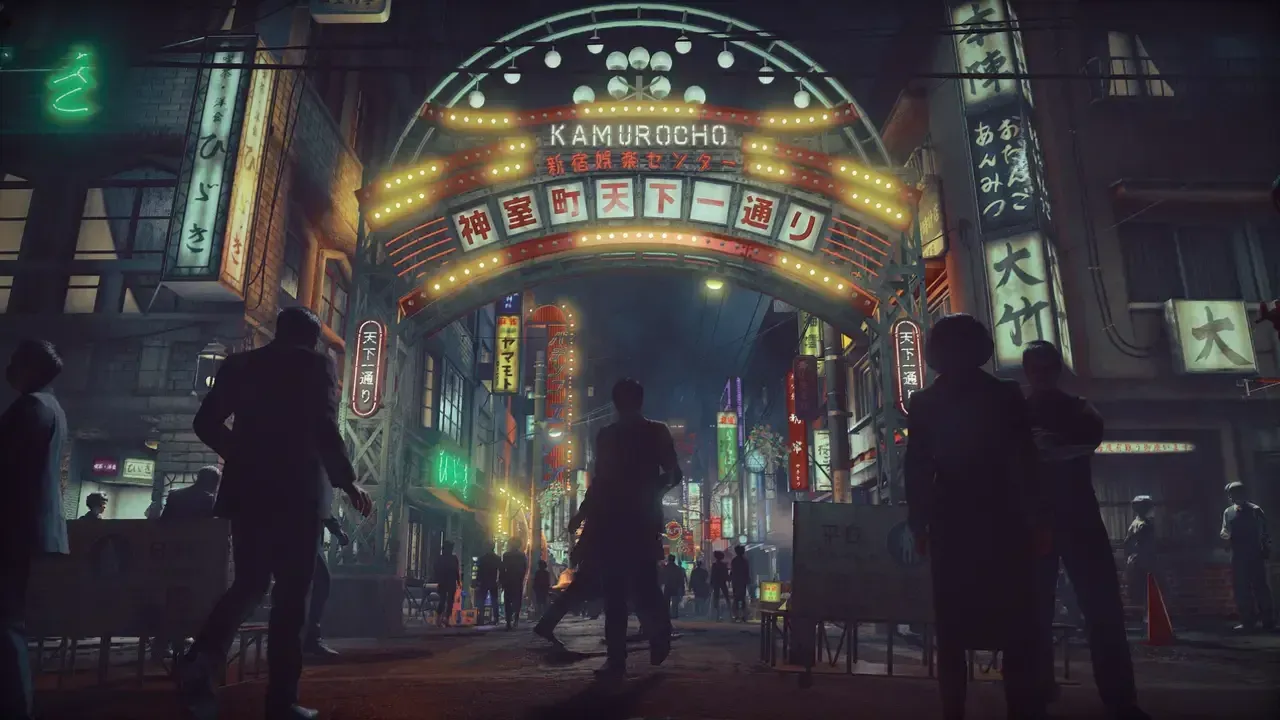
It's a difficult game to demo, especially with the extremely limited time everyone has at Gamescom. So RGG Studio chose to focus on a single aspect of the production: the new combat mechanics, which, like the game, are ambitious as hell.
Unlike previous Like a Dragon titles, Stranger Than Heaven is about timing, rhythm, and style. Left and right bumpers control either side of Daito's body, and each attack or block requires the correct angles for combos to work. It reminds me of old-school games like Die by the Sword, though with RGG Studio's trademark spin on wildly audacious action thrown in.
But it's also a lot to take in, and the single hour given to the press simply wasn't enough for the demanding mechanics. Despite three different scenarios (easy, medium, and a very difficult boss fight), the presentation felt disjointed and frustrating.
Despite all of this, I loved everything else in the limited footage we got to see. The cities in the demo felt vibrant and chaotic, the period settings accurate and romantic all at once, and RGG Studio's great affinity to Japanese cinema crackled at every turn. The short build-ups to the fights, with Daito navigating the streets of Osaka throughout the decades, were enough to sell me on the fantasy that RGG has built.
"We watched all kinds of yakuza movies that are out there," Abe continues. "So there are a lot of parts that influenced us in creating this game. But we did not only get inspiration from yakuza films and the game is not based on historical fact; it's reality through fiction, in a way. A fictional world that should feel very real, so that you can immerse yourself in it and feel empathy with the characters."
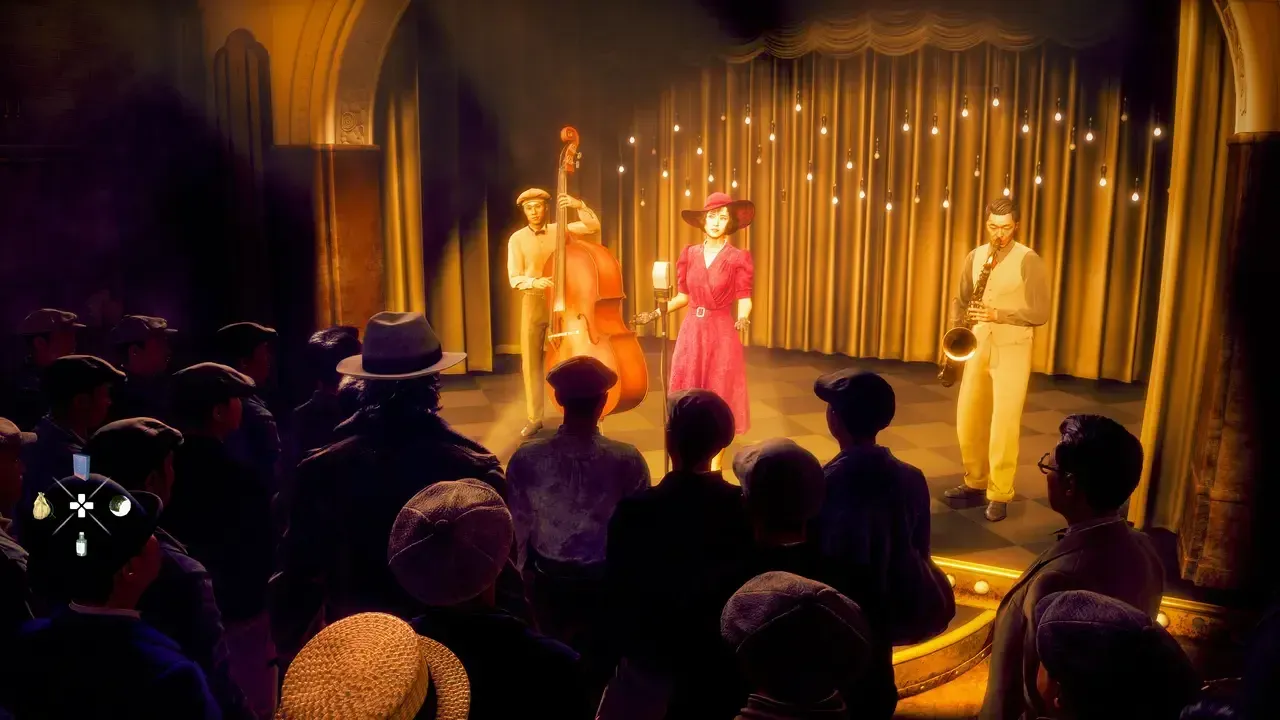
One of the most fascinating aspects of the game is the music producer aspect, where Daito gathers performers, inspiration, and styles from across Japan to create venues and events unlike anything else on the market. As the story spreads across the decades, Daito is swept up in the currents of history at times when live performances boom in post-war Japan.
When asked about the five separate decades that form the backbone of Stranger Than Heaven, Abe nods excitedly. "The separate decades are an extremely important feature for the story. It's the story of Daito Makoto, of Japanese and US origin, who lands in Japan and doesn't know how to live his life and ends up in the yakuza. But even then he struggles, and he thinks of how to make more money, and he realizes that show business, which is thriving throughout the time periods we depict, is full of opportunity. He becomes a master of the show business, a showman himself."
I can't help but push the topic. Surely there's a connection, even if it's only thematic, between Stranger Than Heaven and the Like a Dragon series, where powerful men seek a place to call home, and in the process reinvent themselves through showy, often theatrical personas?
Abe leans back and exclaims: "Yappari!" I'm uncertain if he's frustrated with me. Then, he leans forward and says:
"Men who do not have a place to belong go on a search to find such places, and, of course, they clash with each other and their different struggles. So in that sense there are some similarities, and there is always this very hot passion they put into all of their lives."
As for the future, it's still unclear. Like a Dragon still exists, but Stranger Than Heaven has potential for a new series as well. I ask Abe, but he dodges the question.
"The game isn't even out yet!" He laughs. "It's a new IP, so, of course, there is a possibility that a series might come from it, but it's still too early to say anything."
For now, we just have to wait until 2027 to see how it all shakes out.


