
Mineshaft: The Cruising Murders thoughtfully dissects the intersection between art and reality
A thoughtful and immensely compelling portrait of the good, bad, and downright ugly aspects of William Friedkin's beloved and reviled 80s thriller, Mineshaft is an essential time capsule, a passionate dissection of cinema, and a superlative companion piece to Cruising.
Region Free rating
Let's get one thing straight: this is essential queer cinema history. It isn't as comprehensive or focused as I'd like, but it is a compassionate, vital, and thoroughly engrossing piece of collective memory that deserves recognition.
Directed by Jeffrey Schwarz, who also crafted the wonderful I Am Divine documentary in 2013, Mineshaft is a portrait of those who inspired, were involved with, and were touched by the murders that formed the basis of William Friedkin's questionable 1980s thriller.
I wouldn't peg Mineshaft as strictly a documentary, though. It is more of a portrait, a time capsule, a period artefact of a civilization lost to time. These are our queer elders, those who suffered through the horrors of the AIDS epidemic, where the Devil Reagan allowed untold millions to perish. At the same time, as if all this wasn't enough, this was an entire part of the nation that was fair game for mockery, belittlement, and violence.
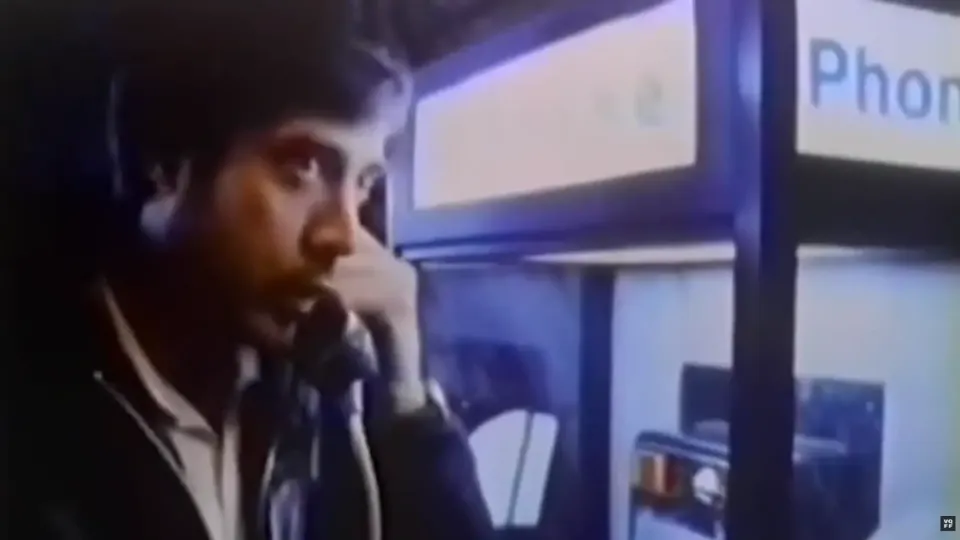
Cruising, Friedkin's sleazy but not altogether meritless thriller, couldn't have come at a worse time. While Friedkin thought he was making a film as an ally, the results were anything but. The protests surrounding the filming and release were substantial, but ultimately futile. Then, almost imperceptibly, something good came out of it. Closeted men saw themselves on the screen for the first time. In its haste to shock, Cruising helped tear down closet doors across the country.
Does it make it a better film? Probably not. But it does give it a perverse value. And therein lies the mystery and dilemma presented by Mineshaft: it asks just how much people should endure for something, anything good to come out of it.
Yet Cruising isn't the sole focus, though it could easily fill an entire picture on its own. Before Friedkin set his eyes on the film, Addison Verrill, an openly gay man working as a film critic for Variety, was murdered in Greenwich Village in 1977. His death, along with many others, was part of a crime wave targeting gay men. Friedkin, sensing potential for something salacious, found an even more disturbing connection to the material: the killer, Paul Bateson, who had a bit part in Friedkin's previous film, The Exorcist.
You couldn't make this up.
From there, Schwarz attempts to untangle the mess of ideas, contradictions, parallel stories, and difficult gay history in a briskly efficient 85 minutes. He doesn't quite succeed, but it is an admirable effort. But this is not just one story, and there's a clear point midway through that Mineshaft goes from personal memory to murder investigation to a solemn contemplation of forgiveness, and it needs more room to breathe.
It's not a bad turn, either, and Mineshaft is never anything but compelling. But it's precisely because it's so compelling that I wish it were longer, more thorough, and allowed us just a bit more time with these people. Perhaps that's a sign of a great documentary.
Still, whatever the faults in pacing, Mineshaft is essential viewing for film buffs and those who want to understand the cultural landscape a little better. There's a great effort underway to sanitize and rewrite the 80s and 90s, and it's part of our duty to ensure that never happens. There is still a lot of darkness to uncover, and Mineshaft serves as a beacon to follow.