
The Legend of Zelda: Ocarina of Time 2026 reminds us what a timeless masterpiece it always was
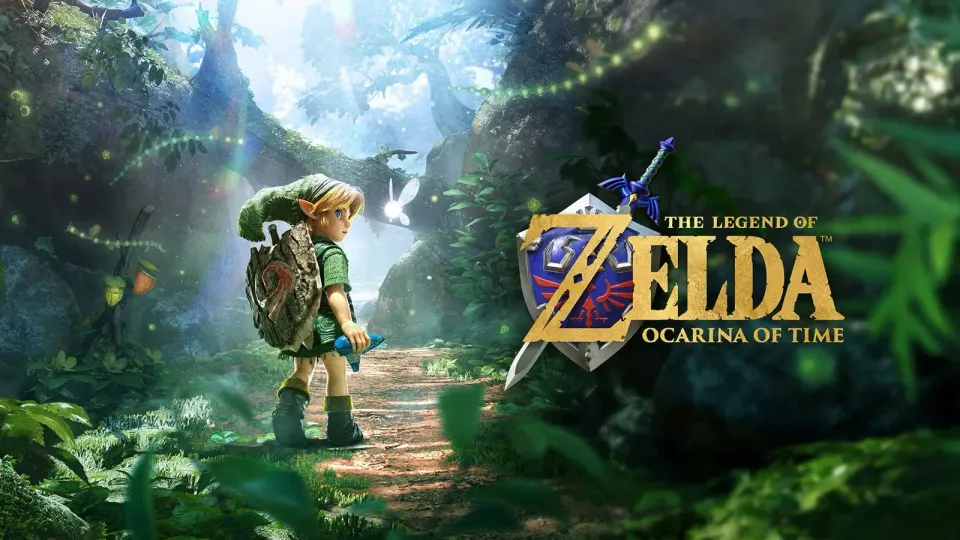
As magical and brilliant today as it was thirty years ago, Ocarina of Time is a spellbinding masterwork that captures the imagination of every generation that is lucky enough to play it.
Region Free rating
Version: Physical retail review copy provided by the distributor
Independence & Ethics
Region Free is entirely reader-supported and maintains full editorial independence. For more on my scoring and standards, see the Review Guide.
I was nine years old when Ocarina of Time first launched on the Nintendo 64. A few years prior, A Link to the Past had lit a burning love for not just game design, but grand, mythic storytelling that continues to this day.
And yet, when Ocarina of Time came out, I didn't play it for a few years. I had leapt from Nintendo systems to the PlayStation, and lost myself in the world of Final Fantasy and JRPGs in general. It would be another decade before I returned to Link's adventures with the superlative GameCube console, and my other great favorite: The Legend of Zelda: Wind Waker. Around then, Ocarina of Time got its first remaster, and I finally got my first taste of the iconic adventure.
It was, and remains to this day, a magical experience. Even if it's not my favorite Legend of Zelda game (Link to the Past and Wind Waker rule the roost), I can't deny that it's a brilliantly designed masterpiece that has defined third-person adventure gaming since its release. Now, thirty years later, Ocarina of Time arrives on the Switch 2 with a completely new engine and visual overhaul. Controls are tighter, puzzles are a little clearer, and everything is a little more modern.
But one thing remains abundantly clear: Ocarina of Time is the same brilliant work of art that it was thirty years ago, and the changes only highlight its triumphs instead of taking away from what worked in the past.
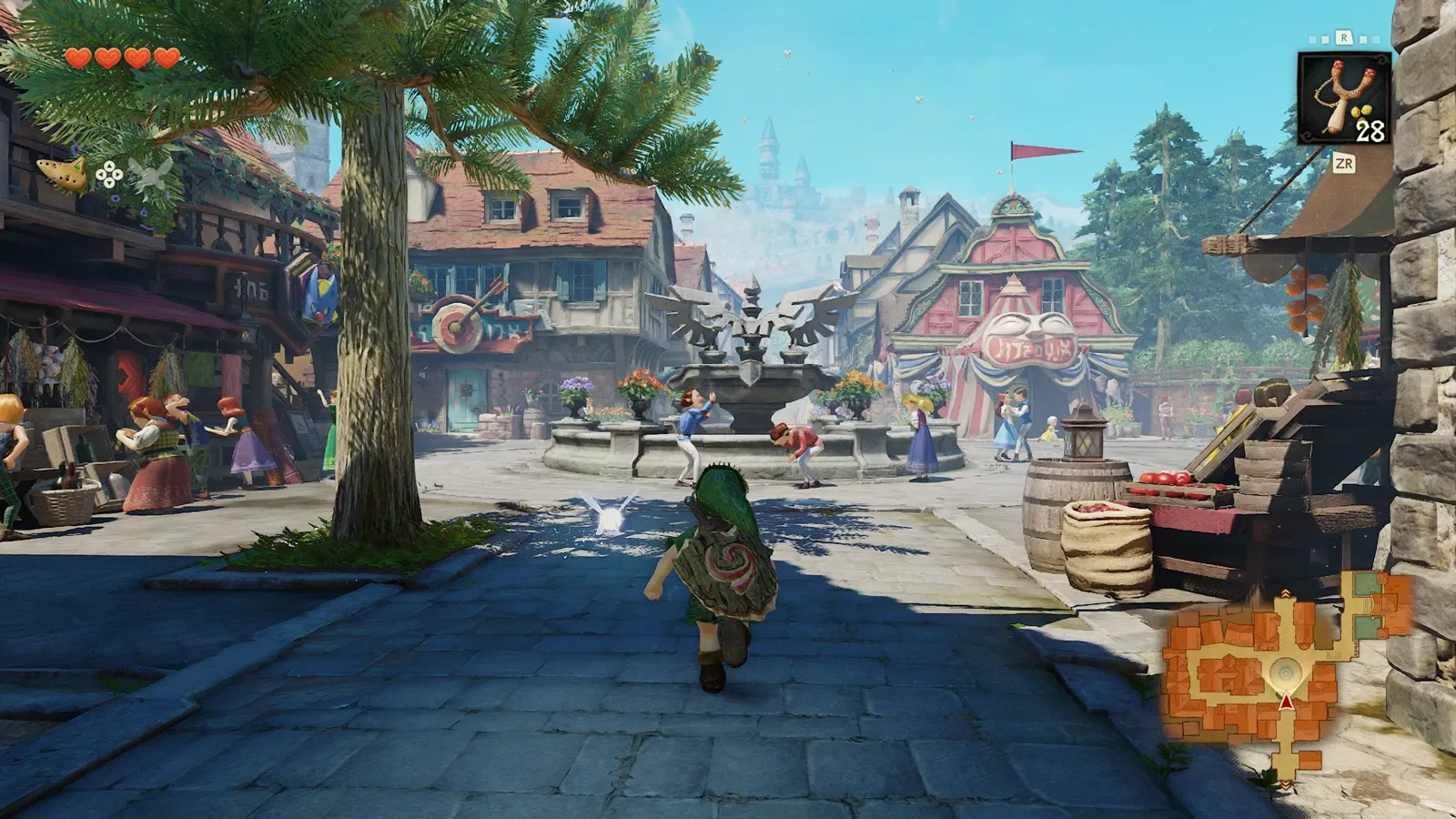
The first thing that really stands out about the remake is its new engine. In the past, Nintendo has always run custom in-house engines for its Zelda series. As a result, the franchise has maintained a unique storybook visual that many have tried replicating to no avail.
Today, the remake for Ocarina of Time runs on the Unreal Engine, which is as commonplace as it comes, and Nintendo's grand vision translates to an odd middle ground between living dolls and hyper-realism. The kingdom itself is a gorgeous recreation of European oil paintings of the romance eras, while Link, especially as a child, and other fae creatures have the look of porcelain dolls. Water, dirt, wind, and other elements look as if they could burst out from the screen.
For the first couple of hours, I wasn't sure what I made of this mixture. For every gorgeous vista, at least two gave me pause. I worried that by utilizing cutting-edge technology for this upgrade, Nintendo had lost something magical and indefinable in the process.
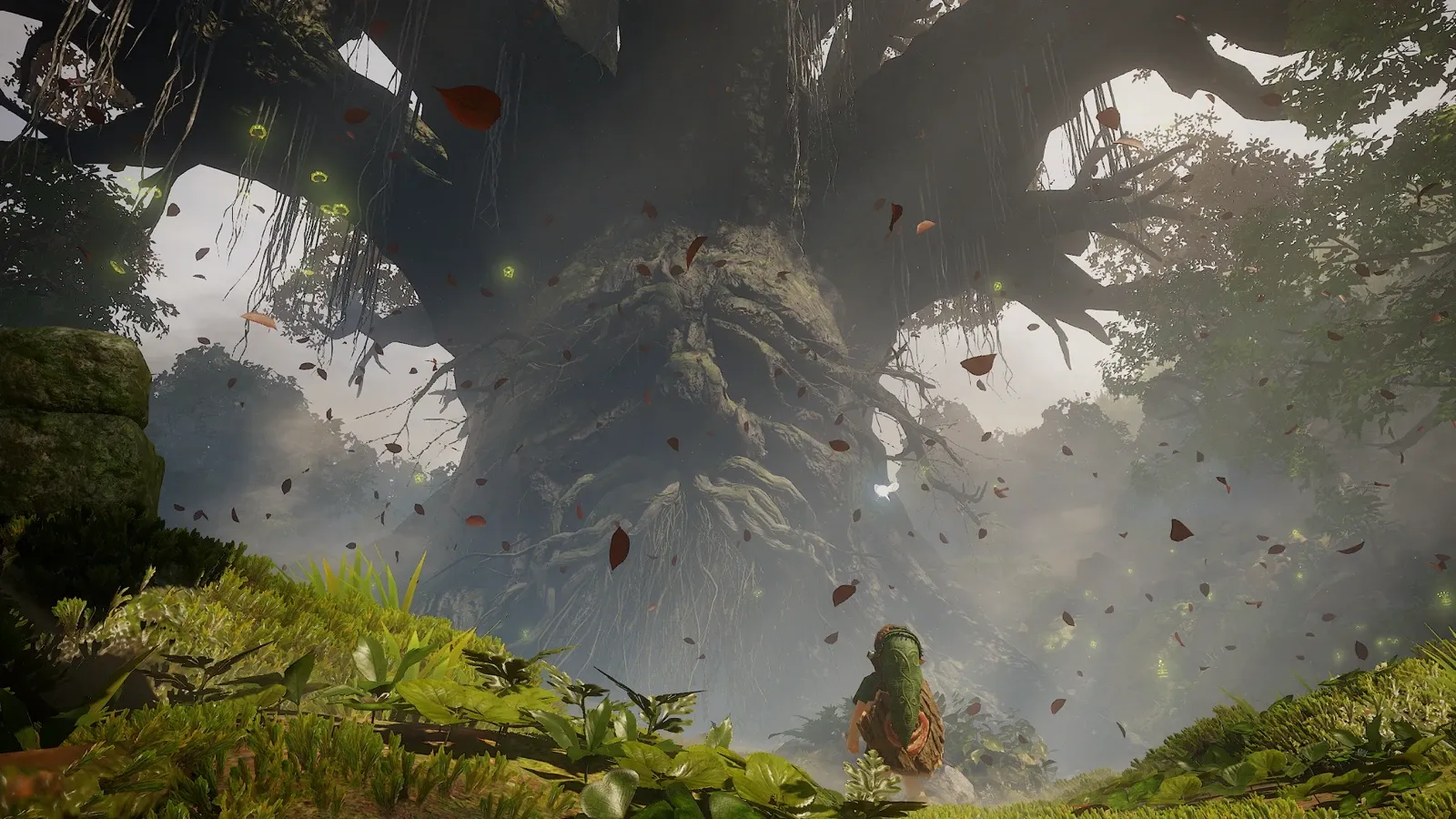
But then, as the adventure expands, all those complaints fall aside. The moment Link first steps out of the safety of his forest is as moving today as it was thirty years ago. Perhaps even more so. The control mechanics have received an update to fit modern controllers, which, if you've ever held a Nintendo 64 gamepad, you'll know is a blessing.
Another addition to the remake is the presence of voice acting, which has slowly made its way into the series after decades of holding onto the magic of silent protagonists. Link still doesn't speak beyond his trademark "hiyah!" shouts, but Zelda and especially the evil Ganondorf happily yap away in cutscenes. These are limited to only the biggest set pieces, however, and it's probably there to test the waters to see how audiences will react to a full live-action Link and Zelda, which are due on the big screen next year. I, for one, couldn't be more excited.
The grand orchestral score has received a gorgeous modernization, and the game runs at an unbroken 60 FPS throughout. Everything from the Hyrule fields to the deepest dungeons looks wonderful, and while the world isn't as big as modern gamers might expect, there's still enough to explore to fill an easy 20+ hours of playtime.
Even better, Ocarina of Time arrives on the Switch 2 in a pristine physical format, complete on the cartridge. It is as perfect a gift as any Zelda fan could wish for.
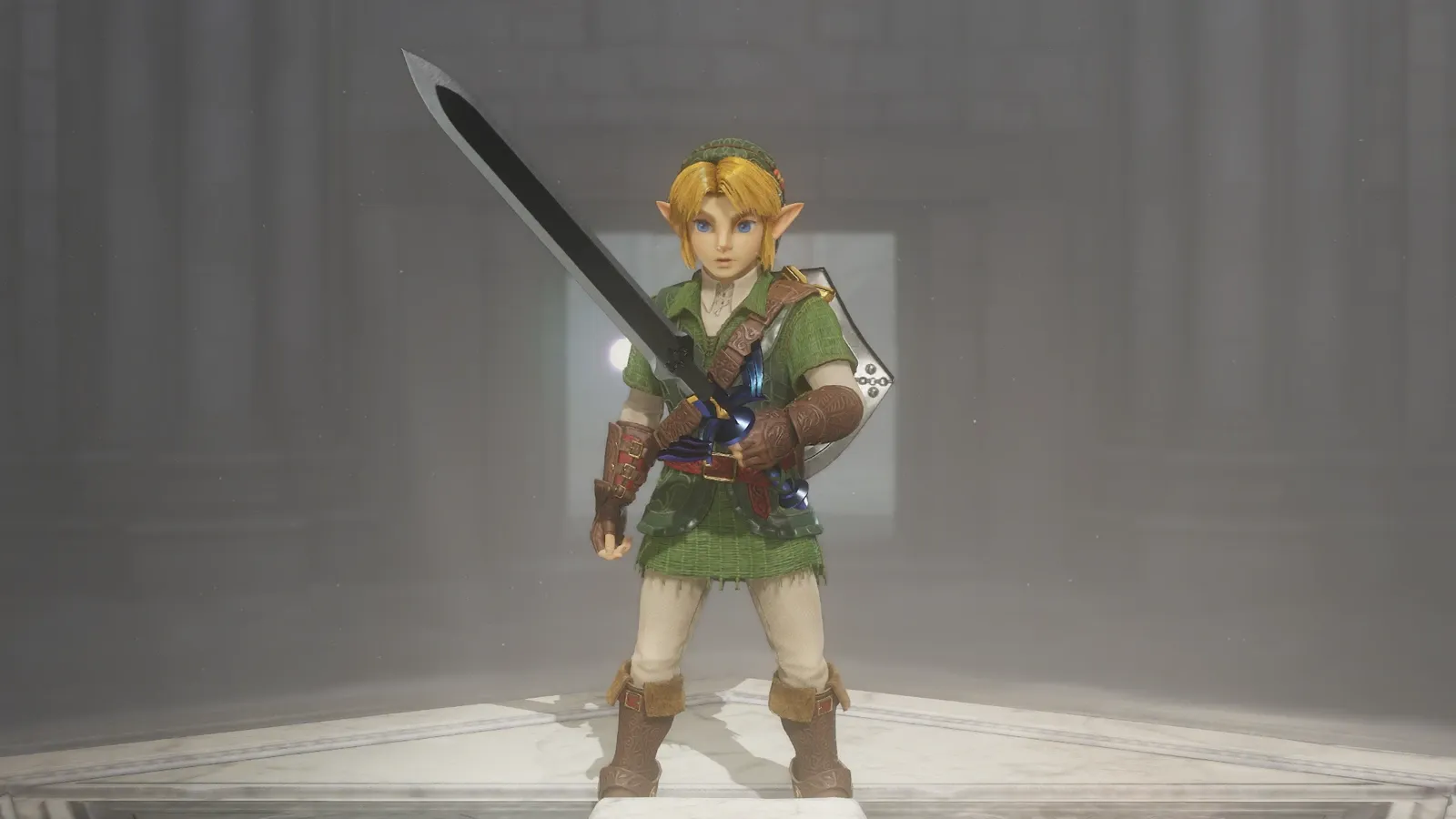
The Legend of Zelda: Ocarina of Time is a brilliant game. It was brilliant thirty years ago, and time has done nothing to diminish that.
To fully understand its timeless power, I leave you with this: I have family members who weren't even an inkling of an idea when the original game came out. Today, these nephews, nieces, cousins, and friends approach their early teens; a little older than I was when the Nintendo 64 version took the world by storm. They are as spellbound by the Switch 2 version as I was all those years ago, with the same curiosity, love, and wonderment at the world Nintendo has crafted.
It binds us together in shared magic that, like the Triforce itself, extends across time and space. In another three decades, Ocarina of Time will remain as timeless as ever.