

Phew, today was a busy one, probably the busiest this festival gets. Luckily, it was mostly pretty good!
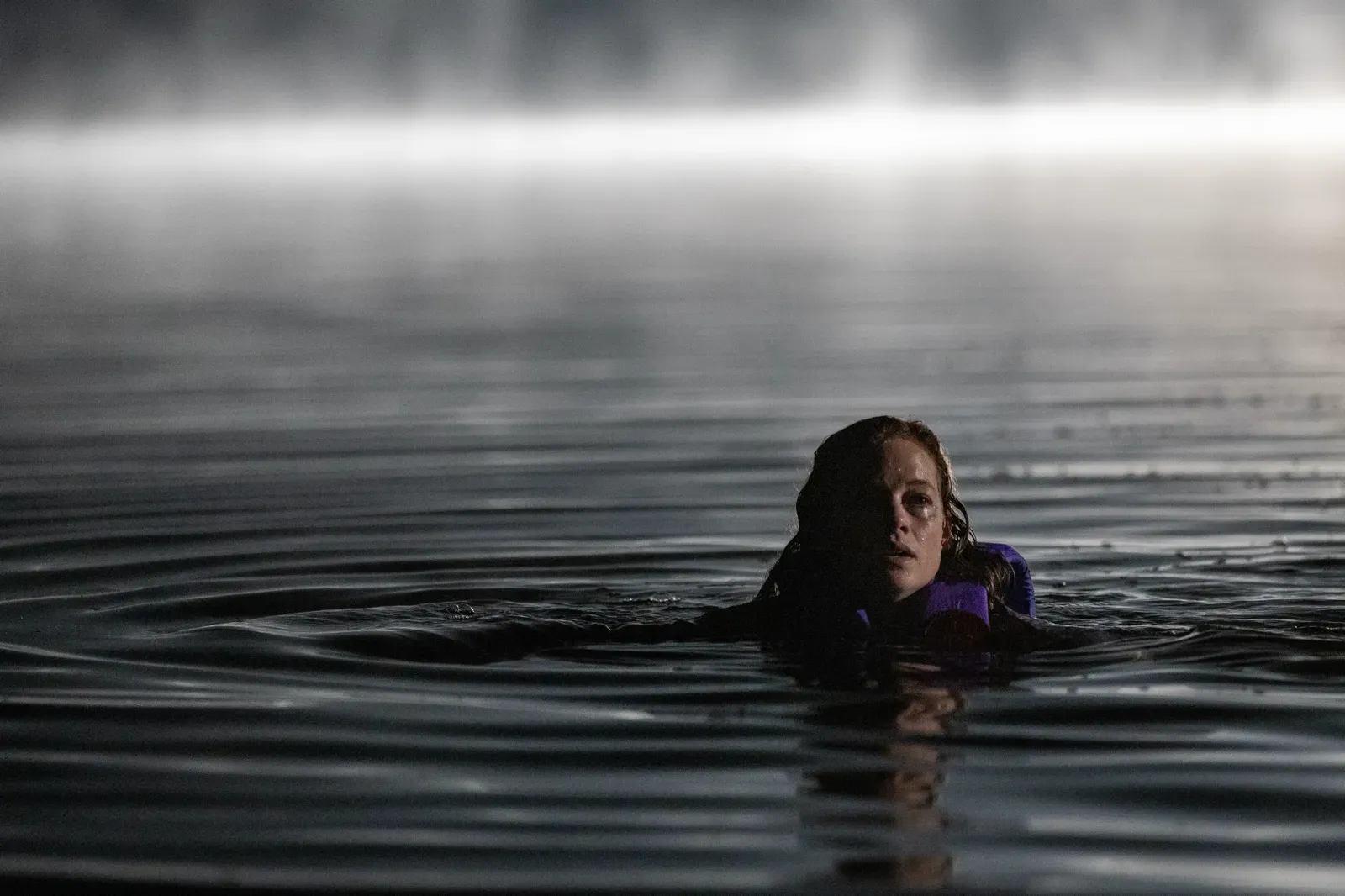
River
The day kicked off with a disappointing slasher debut from Joshua Giuliano, which had somehow caused quite a buzz at the Midnight Madness release just hours prior. Frankly, I don't see the hype. River is too long and meandering, and not funny, wild, scary, or gory enough to really do any one thing well.
It takes a good twenty minutes for anything to happen, and by then the setup – three traumatized kids come to scatter their father's ashes only to be stalked by a murderous face-wearing creep – has already worn itself thin. The limited cast means the film plays it extremely safe with the violence, as it smartly realizes that deriving pleasure from torturing a predominantly female cast is not a good look. But a good horror film doesn't need brutality to be effective, and River can't even muster a good mystery to its name. Instead, I spent most of the time wondering why things were happening, instead of allowing the cinematic current to drag me along for the ride.
Why, for example, do the deranged killers hunt these kids at this river? Is it a one-off thing? A ritual? A weekend-only type of thing? Who knows. The film certainly doesn't care. I don't expect a full exposition dump about these things, but when everything else is bereft of subtext, River can't even claim the monster was a metaphor all this time.
Thankfully, it's not all a waste. The leading ensemble is terrific, especially the double act of Jane Levy and Jessica Rothe, who do fine work as the estranged sisters who bond once more in survival. They have fantastic and expressive faces for horror, and they sell every moment, no matter how stupid, with complete sincerity. Without them, River wouldn't work at all.
2/5 stars.
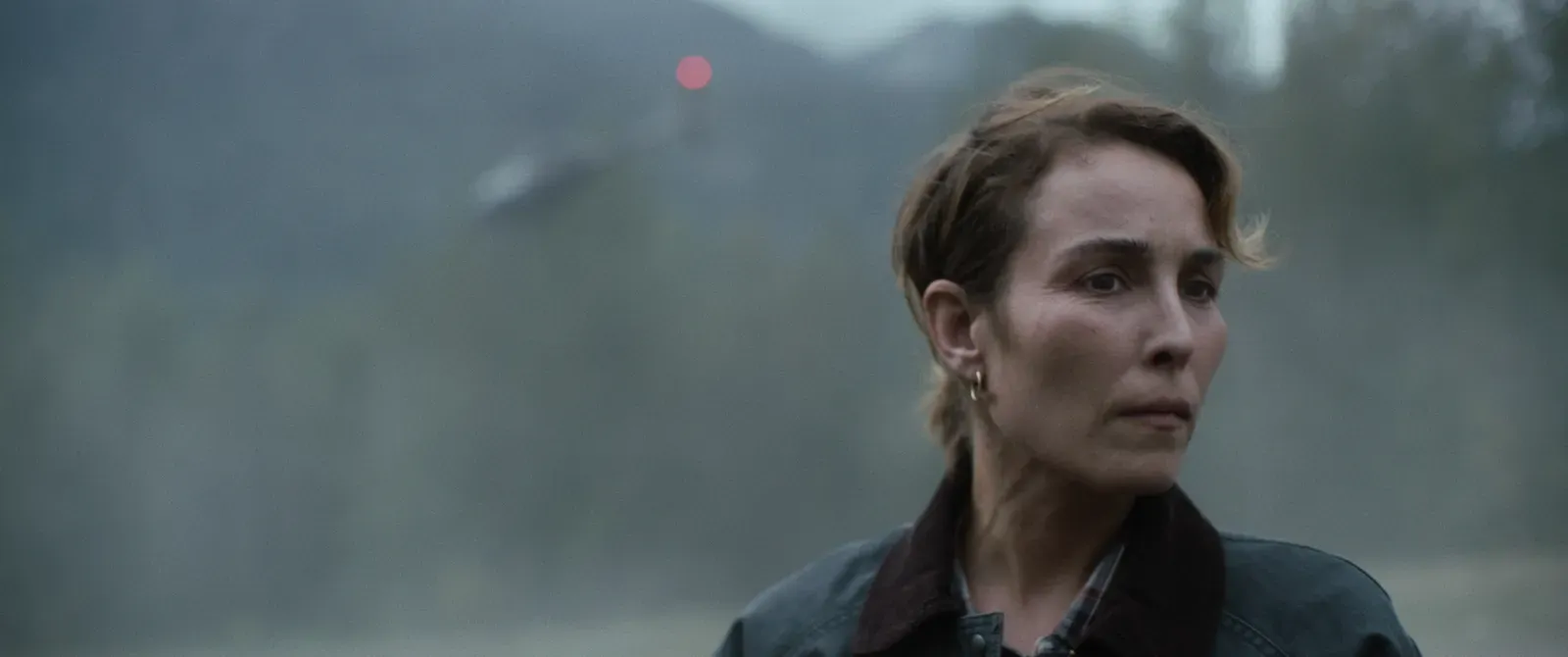
In Alaska
Here's a classy little thriller that doesn't quite stick the landing, but is so well made otherwise that you can forgive its faults simply for how good everything else is.
Noomi Rapace plays a damaged federal agent who struggles with the weight and guilt of effectively protecting corporations at the cost of regular lives. Alongside her is newcomer Leo Matthew Temela as a suicidal Inuit teenager who, as the film opens, attempts to kill himself, only to accidentally damage an oil pipeline, kicking off a nationwide manhunt. As he escapes into the wild, hoping to find salvation elsewhere, he finds unexpected strength to go on, even if it's just to spite those who want to catch him.
The setup isn't particularly new, though the viewpoint of modern Inuit culture deserves greater attention, but In Alaska makes most of its traditional beginnings. It's mostly thanks to Temela and Rapace that this low-key drama is as effective as it is, since the duo mostly do the heavy lifting alone without scene partners. When they finally meet, we're well into the two-hour runtime. Yet, somehow, the smart juxtaposition in writing and directing, alongside the earnest performances, makes In Alaska feel as if they've always been near one another.
I'm not certain the film quite knows what to do with its ending, and there's a degree of open-endedness that I find is more simply leaving things unfinished. But it did leave me thinking about the morality of law, and just how far society is willing to go to keep people alive so they can punish them. In Alaska doesn't preach and refuses to embrace sensationalism, which leaves most of the deciphering to the audience. I have great fondness for films that trust their viewers, and this one engages us on equal footing as adults. We should cherish that when it comes along.
4/5 stars.
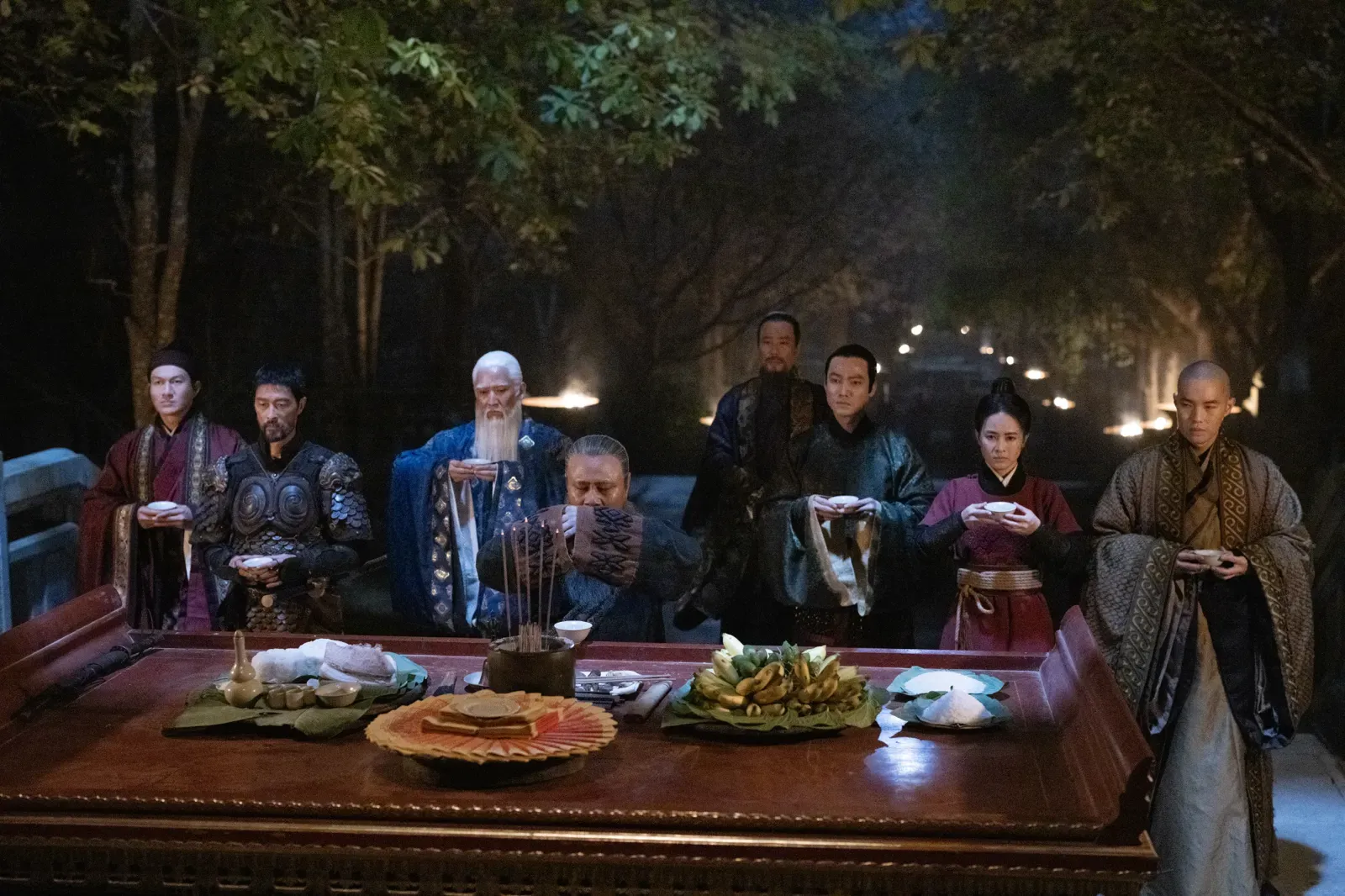
Spirit Guardians: The Last Secret of the First Emperor
I wanted to like Spirit Guardians way more than I did, especially because of its origins as Vietnam's first and costliest major blockbuster in history. Sadly, despite some fun action sequences and a gleeful desire to try just about everything, Spirit Guardians is mostly an incoherent, poorly edited mess that needed way more time in development.
Set in the Dinh Dynasty sometime in the 10th century, Spirit Guardians is based on the myth of seven warriors tasked with safeguarding the final resting place of the first emperor of Vietnam. To do so, they transport 99 coffins across the country, all in different directions, with only one containing the dead ruler, in an attempt to lay them to rest in secret forever. On the way, they encounter rival clans and dangerous assassins, as they race to complete a mission which will require the ultimate sacrifice to ensure its secrecy.
But my goodness, if Spirit Guardians doesn't know what to do with its story. At first, we spend a whole heap of time in exposition hell, as both on-screen text and a narrator explain to us the minutiae of how courts work, who the emperor is, how he minted currency in his nation, how that affected relations between countries, and what role everyone in the court plays. It's enough to fill an entire season of television. In a film, it's way too much to load onto an audience in the first thirty minutes.
Eventually, seven warriors are chosen for the epic task, only they're apparently immediately killed, as another group of seven almost instantly takes their place. At this point, the narrative is so fractured and so painfully edited that it's truly difficult to figure out where we are, what time it is, and who answers to whom.
Even the action doesn't hold up for the most part. Some sequences, like a campy scuffle in a booby-trapped jungle, are genuinely fun. But others, like the dire opening skirmish between armies and most brawls at the end, have more ambition than the skill required to bring such complex scenarios to life. Spirit Guardians borrows liberally from Wuxia epics in style, but doesn't understand what makes their fight sequences so arresting. There's a lot of impressive stunt work, and the cast certainly tries, but the camera always seems to point in the wrong direction, or the edit cuts away at the worst possible time.
I admire the vision and the desire, but Spirit Guardians never comes together in a satisfying manner. It's a respectable misstep, and I hope the next one will be better.
2/5 stars.
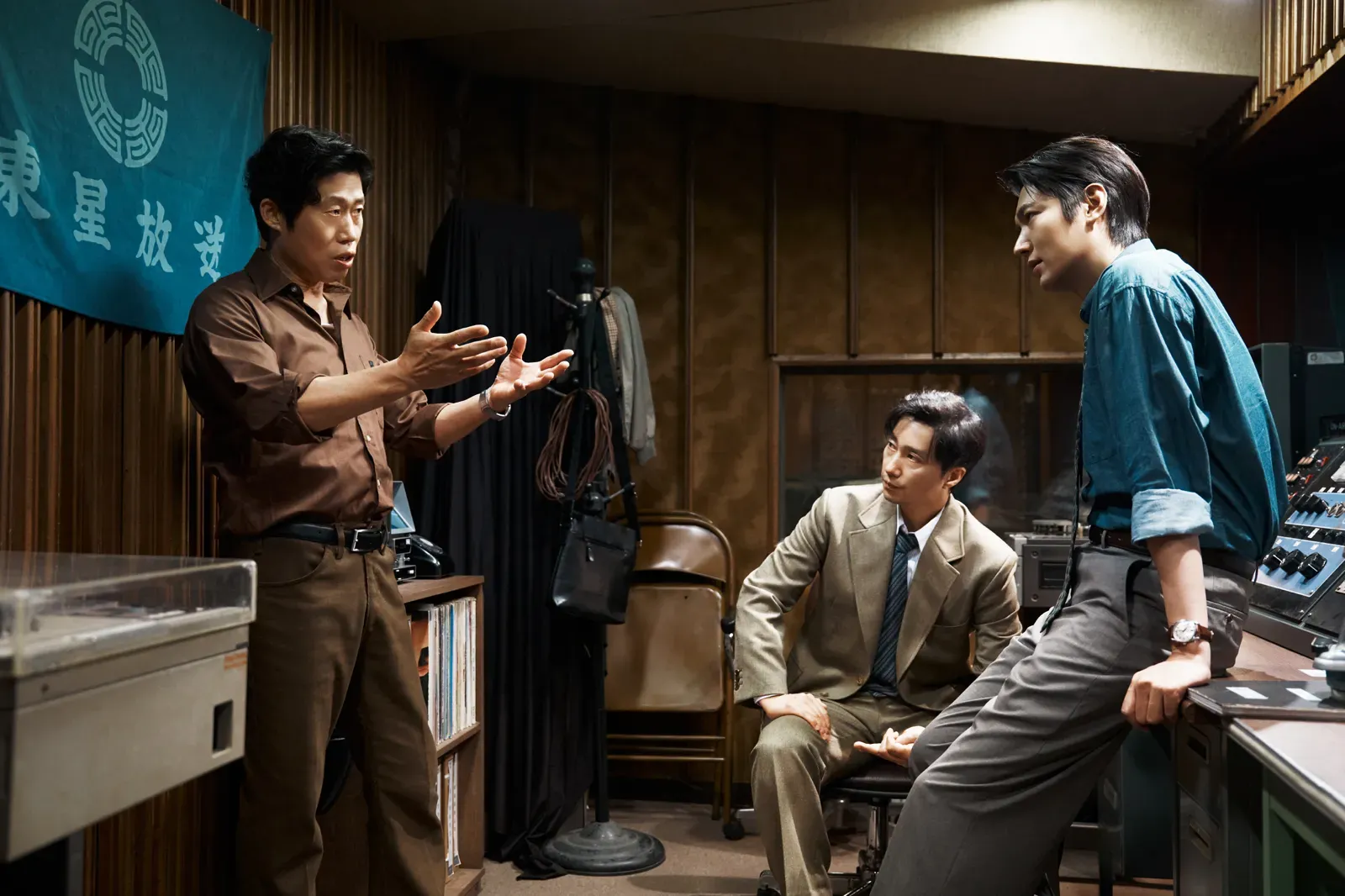
The Assassin(s)
Like a mix between JFK and All the President's Men, The Assassin(s) is a fictionalized take on real events that occasionally stumbles into insipid melodrama, but mostly nails its delivery of a compassionate plea for truth and justice. As a rallying cry for the importance of integrity, be it in journalism or law enforcement, it ultimately proves immensely successful.
Set during the days, weeks, months, and ultimately years that follow the assassination attempt on the South Korean president in 1974, The Assassin(s) is a procedural thriller built like a puzzle where half the pieces are missing. Our heroes, a mismatched crew of journalists, civilians, and cops who all smell a rat, are constantly outmatched by the powerful machinations of a government operating against the democratic principles of the nation. At every turn, our heroes encounter violence, dismissals, and threats of even worse things to come, not just to them, but to anyone they know, should they continue.
The major events of the film did happen, and The Assassin(s) smartly plays the historic footage as a cornerstone for the finale. The characters themselves are fictional, probably to keep lawyers at bay. This, luckily, doesn't matter for everything else to work. The effective pacing and smart writing make the most of the facts to allow some leeway in other areas, especially as we can tell where any film requires dramatic license to be, well, a film.
It's only towards the end that the film stumbles, as The Assassin(s) can't help but preach to the choir in a heavy-handed, deeply melodramatic sequence that undermines the natural drama. I won't spoil it for you, but if you thought Steven Spielberg's The Post went big on saccharine in its declarations about the importance of the Fifth Estate, you're in for a tough time.
To be clear, it's nowhere near enough to topple an otherwise solid and thrilling picture, but it does deserve a mention. Especially as everything else is tightly wound and understated, with a chilling air of malice permeating through the cracks. The Assassin(s) paints a haunting portrait of a society at war with itself, where the population doesn't even know or care how injustice exists at its very core. It brilliantly uses a failed assassination to juxtapose how a single thread can unravel the most labyrinthine conspiracy, as long as there are people brave enough to pick at the strands.
4/5 stars.
Bucking Fastard
Werner Herzog's long-awaited passion project, which he has spoken about for at least a decade, is finally here. Is it everything Herzog fans wanted? Do we even know what we want out of the Bavarian maestro? As ever, the answers are unclear, and Bucking Fastard defies easy categorization at every turn.
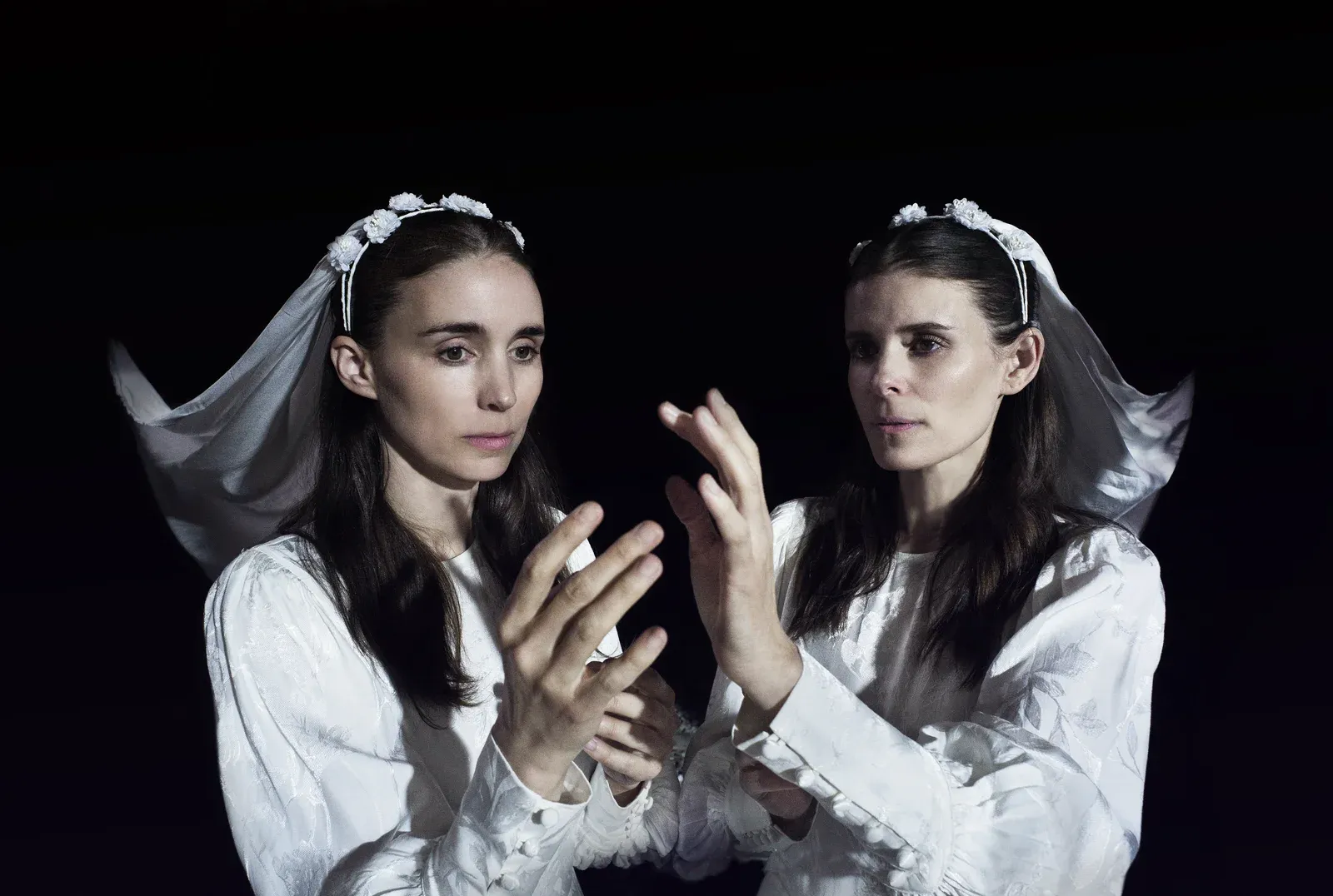
Partially based on a true story, but mostly an exploration of isolation, loneliness, and the desire to be loved, Bucking Fastard is a myriad of styles and genres that sometimes, but not always, come together. Everything about it that works is due to the brilliant leading performance(s) by sisters Kate and Rooney Mara, who are sublime, tender, and totally without artifice. They speak and move in unison, starting and finishing sentences for one another, and even writing letters together, one starting, the other finishing a thought. It is a stunning piece of acting, at first comedic, then hauntingly tragic, and ultimately deeply compassionate.
Herzog champions the outsider, and his career is marked by depictions of oddballs and misfits who face bitter ends or never find their way because of forces without and within. Such is the case with Bucking Fastard, which steadfastly refuses to condemn or champion the troubled sisters, yet can't help but feel kinship over their misplaced desires. "Everyone in their lives should dig a hole through a mountain", they declare, and it might as well be Herzog speaking directly to the audience.
For the first hour, Bucking Fastard has all the makings of something magical and great. We begin with the sisters madly in love with a drunk scoundrel, who uses them for his pleasure and discards them at the drop of a hat. He is played by Orlando Bloom, who makes the least of his on-screen time. Then, as kind-hearted strangers help the sisters escape, they travel through a series of Herzogian fairy tales, encountering dastardly opportunists and storytellers with faraway eyes as they search for a place to call home. It plays out like an oral history, full of contradictions and odd asides, and there's great charm to how Herzog doesn't give a damn about narrative structure as long as the ecstatic truth of cinema prevails.
But it's the final half hour that Bucking Fastard loses momentum, and despite building to a poignant, if impish final denouement, it takes too long to get there. For a good twenty minutes, it repeats the same motifs, so the images lose their power, and we feel as frustrated and aimless as our heroines. Perhaps that is the intention, but at what cost? I don't know.
Still, even if the story can't quite find an ending, the road there is very much worth taking. Herzog is a natural raconteur, and the Mara sisters are remarkable. The film has a quiet, understated humor that warms the heart. At one point, the sisters ask their social worker why he helps them. "I too struggled in the past," he explains. "With drugs and the like." Then, after a poignant pause: "Also, the city pays me for it." Especially in fairy tales, everything comes with a price.
3/5 stars.


